
We test before we clean
Testing the solution on a hidden fold is a step we treat as necessary, not optional.
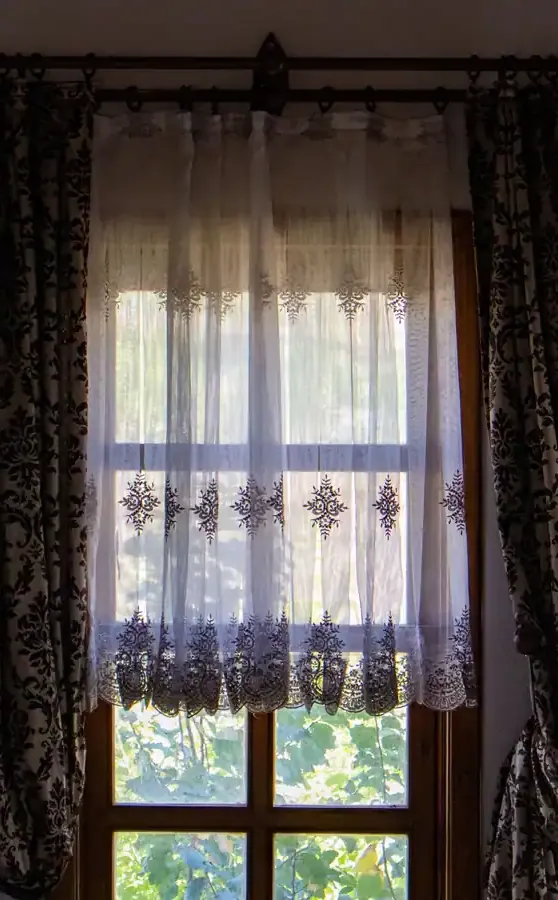
Al Shorouq is an east Jeddah district far from the sea and close to the hills. The air here is drier and the dust is coarser and paler than coastal dust. Curtains in this district face fine dust that enters under doors and settles on every surface overnight, making them heavier than curtains on the coast.
The dry air of east Jeddah lifts fine dust easily, and curtains collect particles that settle deep in the weave and will not come out with shaking alone. For the method itself, see what curtain cleaning involves.
The drier air of east Jeddah lifts fine dust easily and it enters under doors, windows and gaps in ducts. Curtains absorb this fine dust deeply, and it bonds with the fabric because of the dryness.
Roof tanks leave mineral residue on every surface, and curtains near windows face this sediment when windows open or from condensation. White and grey deposits settle on the fabric.
East Jeddah is far from the sea's moderating effect, so temperature and humidity shift rapidly between night and day and across seasons. Curtains face constant expansion and contraction, and fine fabrics may crack.
The district sits east of Haramain Road between Al Wahah and Al Tawfiq, bounded by King Abdullah branch road to the south, a mix of flats, villas, shops and relatively modern streets.
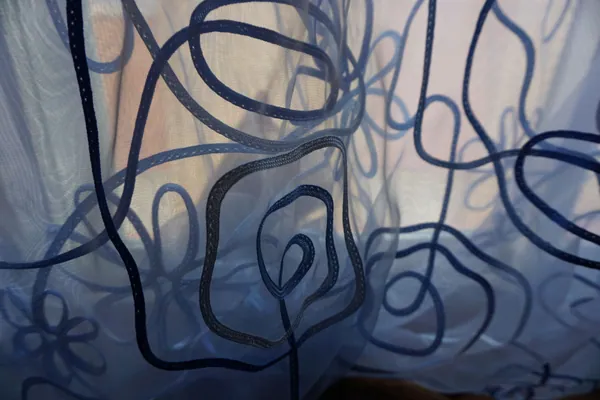
Curtains in Al Shorouq may hold very low moisture because the air is dry, so we test the fabric carefully as dry fabric may have become brittle from constant shrinkage.
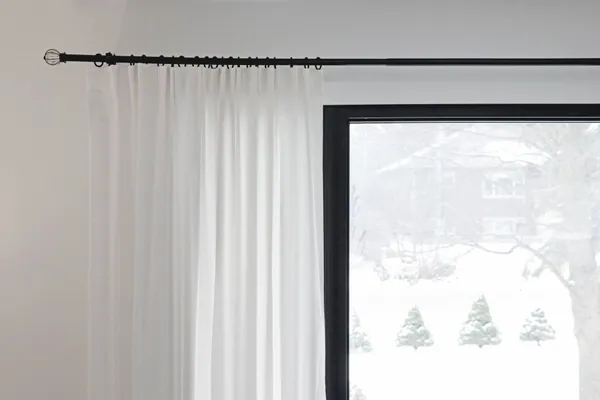
Removal requires great care because dry fabric breaks or tears more easily than fabric in humid coastal districts.
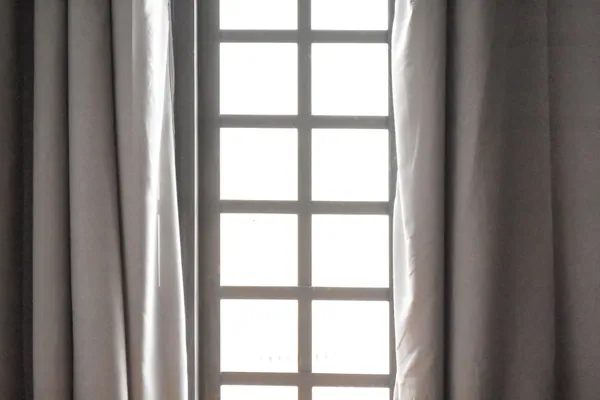
Dry vacuum first removes deeply settled fine dust before any water touches the cloth, and two passes may be needed because fine dust is layered deep.
White and grey marks from water sediment and minerals are treated with a product that gradually dissolves the deposits from the weave without eating away the fabric.
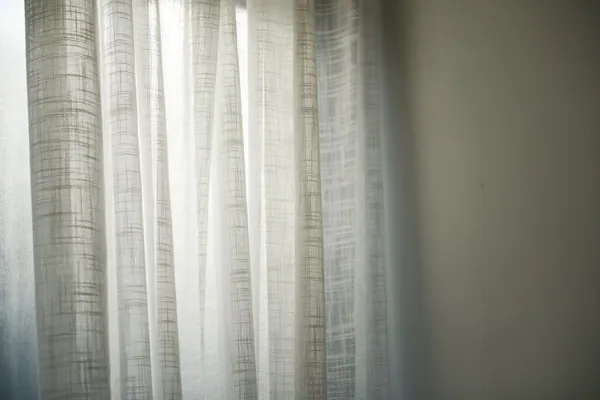
Lightweight and dry curtains are washed in warm water with very gentle movement, and drying may be quick but care to prevent tearing remains essential.
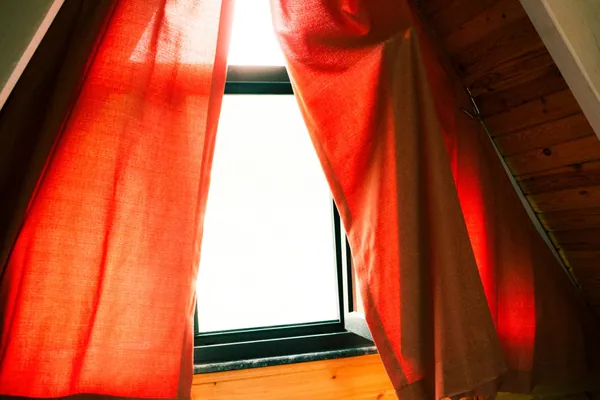
Rehung curtains need gentle handling because dry fabric may be weak, and old fixings should be checked before hanging heavy curtains again.
Cotton, linen, velvet, blackout weave and synthetic sheers do not take the same heat or the same solution.
Before any water.
A water spot at the hem is not treated like a greasy film near a kitchen.
We loosen what has bonded inside the fibres across the full panel, both faces and top to hem, with the method that suits the fabric, while the curtains stay on the rail so the drape is not disturbed.
The loosened dirt and water are pulled back out in the same pass.
We go over the panels with you before the team leaves.
Testing the solution on a hidden fold is a step we treat as necessary, not optional.
We send a team, not a single worker.
The cleaning and extraction machines come with the team.
If a panel needs a tailor rather than a clean, we say so.
Photographs from real jobs carried out by the crew.












The commitment is simple enough to actually keep: we do not leave before you have seen the result and told us what you think of it.
East Jeddah lies furthest from the sea and closest to the open ground and hills beyond the ring roads, so the air is drier and the dust is coarser and paler than on the coast. It comes in under doors and settles on every flat surface overnight, making sofas, mattresses and curtains the heaviest part of the routine. Floors are mostly ceramic tile in the apartment districts and marble in the villa areas, both scratched by grit that is mopped rather than swept. Roof tank water leaves a grey film of sediment in baths and basins.
We provide these in Al Shorouq too, and more than one can share a single visit.



