
We test before we clean
Testing the solution on a hidden fold is a step we treat as necessary, not optional.
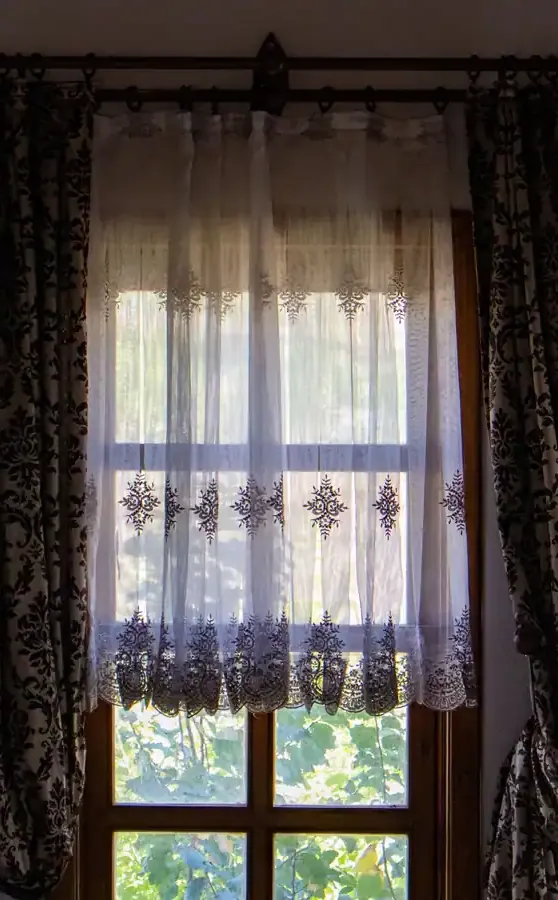
Al Shati Al Thahabi is a modern coastal district in north Jeddah where curtains face high humidity and salt air year-round. Salt penetrates the weave and fabric holds moisture even through cold nights, leaving curtains smelling strongly of the sea and prone to light mildew.
Coastal curtains hold permanent moisture even in sealed rooms, salt settles on every layer of fabric, and opening curtains on a cold dawn reveals a film of salt and damp on the folds. For the method itself, see our guide to curtain cleaning.
Salt air on the coast year-round means salt enters the curtain from day one. Salt is hygroscopic, absorbing moisture from the air and making fabric heavier and perpetually damp.
Moisture never leaves coastal curtains, even cold nights leave the fabric damp. This causes light mildew and a strong sea odour locked in fibres that never dry out completely.
Cold nights and hot days mean the curtain expands and shrinks daily. Humidity adds pressure to the fibres, gradually weakening delicate fabrics.
A coastal area in north Jeddah, with newly released coastal land and housing within the Obhur Al Shamaliyah subdivisions, near King Abdulaziz Road and North Corniche Street.
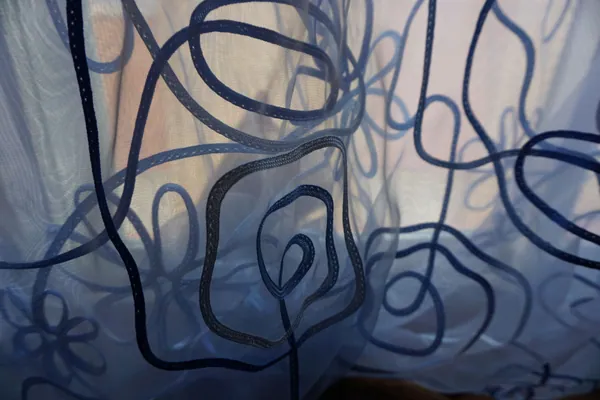
Coastal curtains may be damp even before washing, so we test the fabric carefully because salt and moisture may have gradually weakened the fibres.
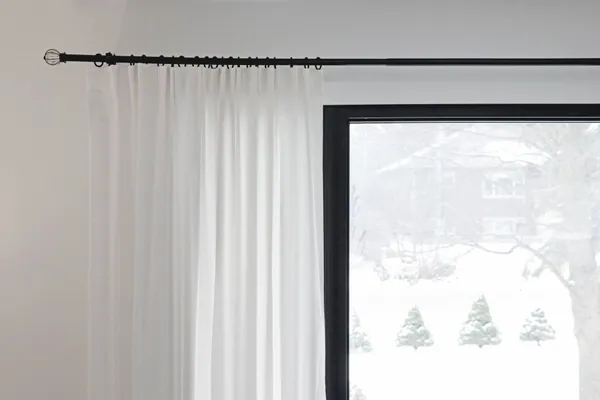
Removal from a coastal flat can be difficult because fixings may have rusted from salt and humidity, and rings may be stuck or brittle.
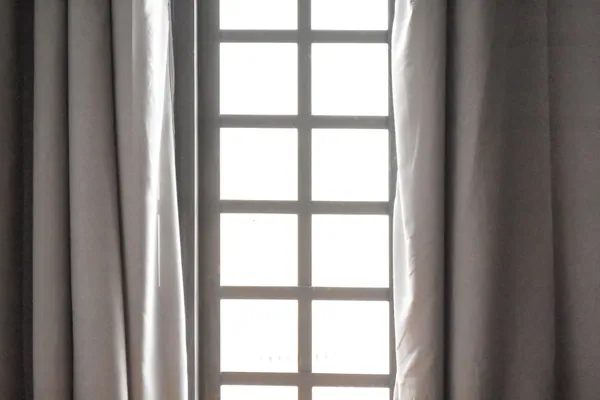
Dry vacuum first removes accumulated salt and heavy particles before any water touches the cloth, essential in coastal areas.
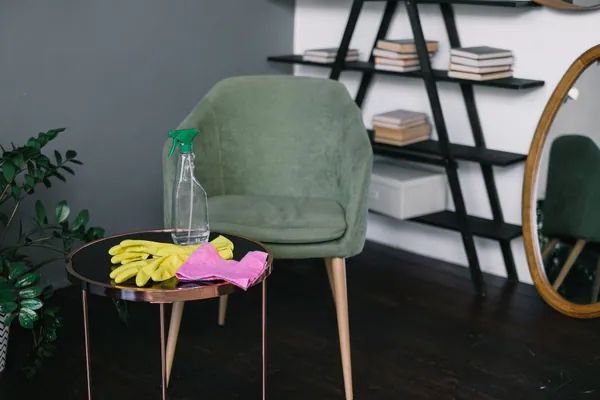
White marks, salt deposits and light mildew are treated with products that gently dissolve salt and mildew from the damp fabric.
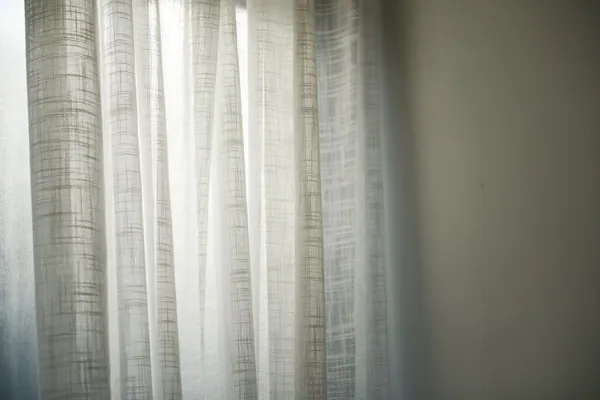
Heavy and light curtains are washed in fresh warm water, never hot and never seawater, and drying may take two or three days because humidity is so high.
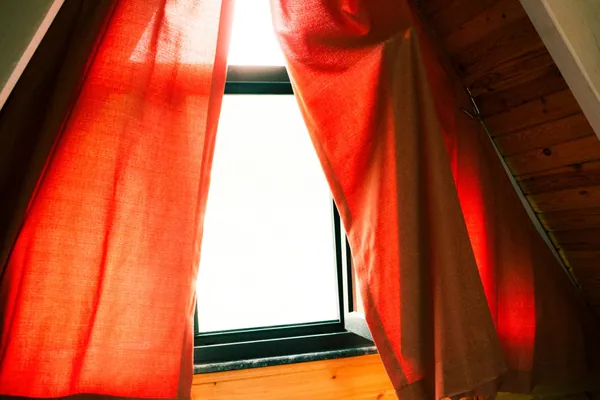
Rehung curtains must be fully and completely dry before hanging, and rusted fixings may need deep cleaning or replacement as rust can stain clean fabric.
Cotton, linen, velvet, blackout weave and synthetic sheers do not take the same heat or the same solution.
Before any water.
A water spot at the hem is not treated like a greasy film near a kitchen.
We loosen what has bonded inside the fibres across the full panel, both faces and top to hem, with the method that suits the fabric, while the curtains stay on the rail so the drape is not disturbed.
The loosened dirt and water are pulled back out in the same pass.
We go over the panels with you before the team leaves.
Al Shati Al Thahabi sits about 4 km from Balbeid and about 5.5 km from Al Furqan.
Open in Google MapsTesting the solution on a hidden fold is a step we treat as necessary, not optional.
We send a team, not a single worker.
The cleaning and extraction machines come with the team.
If a panel needs a tailor rather than a clean, we say so.
Photographs from real jobs carried out by the crew.












The commitment is simple enough to actually keep: we do not leave before you have seen the result and told us what you think of it.
Coastal area: high humidity and salt air through the year
Coastal means salt and humidity year-round, so curtains need special treatment to remove deep salt and prevent mildew, requiring fresh water washing and quick drying and caution because salt returns fast from the permanent sea air.
We provide these in Al Shati Al Thahabi too, and more than one can share a single visit.



