
We test before we clean
Testing the solution on a hidden fold is a step we treat as necessary, not optional.
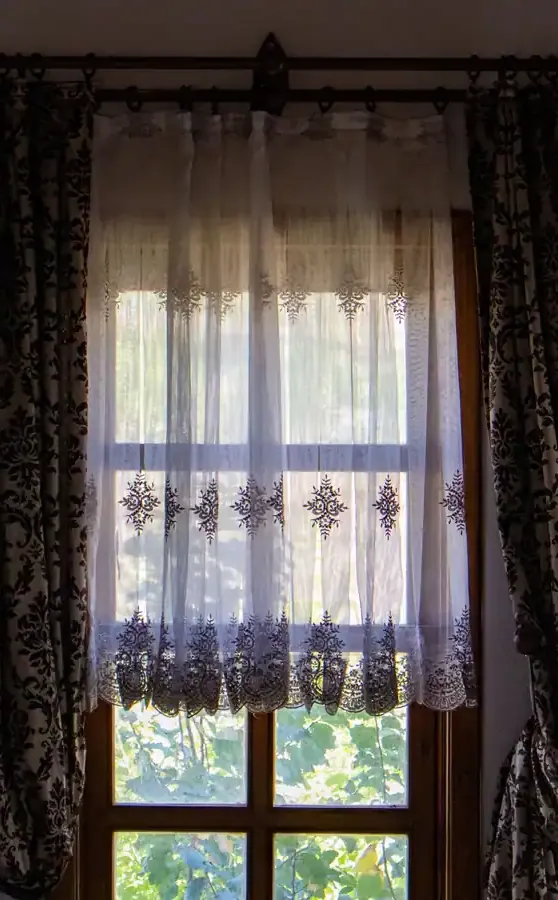
Al Gharbiyah is a newly developing coastal district with vacant plots between villas and apartment blocks, and sea air carrying fine salt that settles on glass and fabric. Curtains here trap fine beach sand with every sea breeze, and they need careful checking before cleaning because the fabrics in new homes are varied and often untested.
New home curtains here are often cleaned professionally for the first time when they are already bearing months of salt and sand, and dust builds quickly in the pleats from the humid sea breeze. For the method itself, see how we approach curtain cleaning.
Sea air leaves salt crystals on everything in Al Gharbiyah, and curtains absorb and hold it in their pleats. Cleaning must remove the salt residue before washing the fabric, because salt retained in the weave draws moisture and returns the smell after drying.
Every breeze from the Corniche brings sand so fine it differs from household dust, and curtains trap it in the fabric weave. Shaking and vacuuming alone will not remove it fully, and dry vacuum before any water is essential because the sand scratches the fabric if water is rubbed over it.
New homes in Al Gharbiyah arrive with varied curtain fabrics: lightweight modern sheer fabrics, heavy blackout, and blended materials. Each type needs its own cleaning method, and the decision rests on the fabric itself, not on colour or size.
Al Gharbiyah sits along King Abdulaziz Coastal Road in north Jeddah, close to sprinkler drift and sea salt in the air. New homes have large windows and courtyards that bring sand and moisture inland.
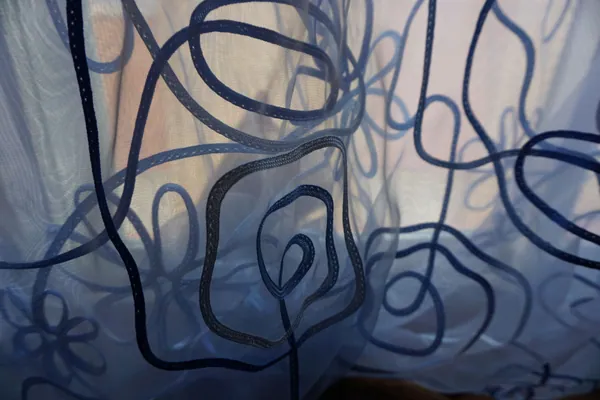
Al Gharbiyah has modern fabrics from new villa imports, so we ask about the material, weight and colours before we start.
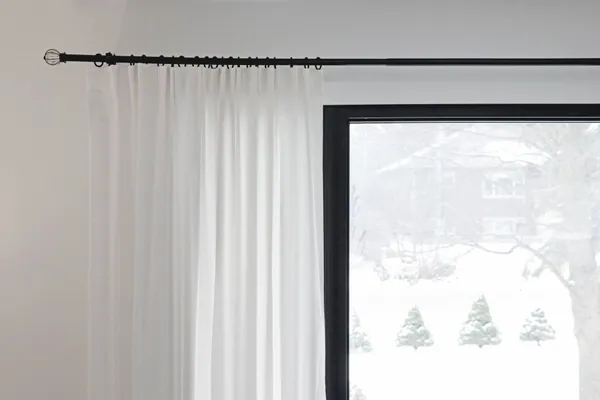
Removal from modern rods and pulley systems needs care, and new homes have rods that are sensitive to rough handling.
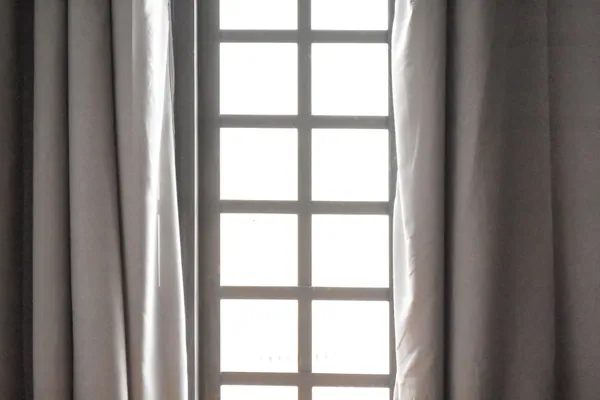
Dry vacuum removes salt and sand before any water, and this is essential in Al Gharbiyah because sand scratches the fabric.
Salt-based marks are treated for mineral deposits and salts before any attempt to lighten colour.
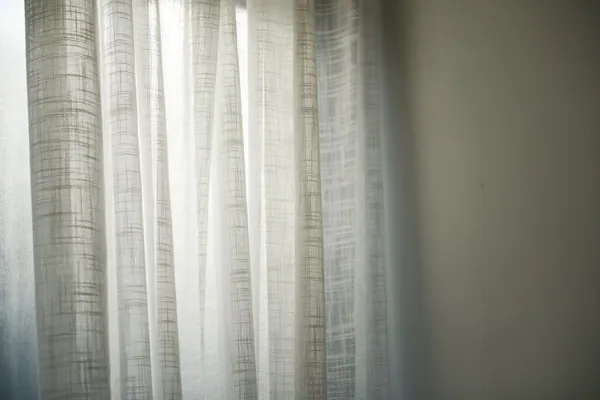
The cleaning method differs between lightweight and heavy fabrics in new villas, and the standard is set by the fabric, not by size.
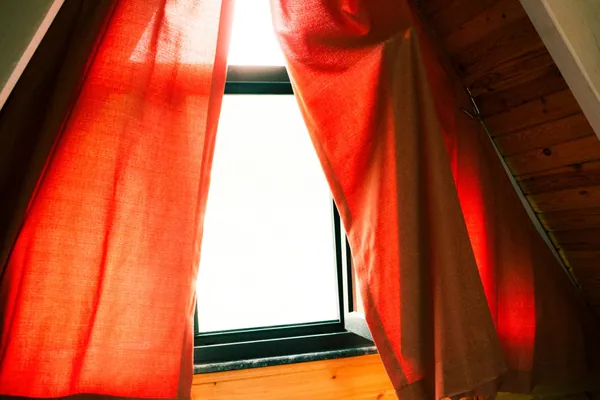
Drying after cleaning needs care so moisture and salt do not return, and humidity in the coastal air slows the process.
Cotton, linen, velvet, blackout weave and synthetic sheers do not take the same heat or the same solution.
Before any water.
A water spot at the hem is not treated like a greasy film near a kitchen.
We loosen what has bonded inside the fibres across the full panel, both faces and top to hem, with the method that suits the fabric, while the curtains stay on the rail so the drape is not disturbed.
The loosened dirt and water are pulled back out in the same pass.
We go over the panels with you before the team leaves.
Testing the solution on a hidden fold is a step we treat as necessary, not optional.
We send a team, not a single worker.
The cleaning and extraction machines come with the team.
If a panel needs a tailor rather than a clean, we say so.
Photographs from real jobs carried out by the crew.












The commitment is simple enough to actually keep: we do not leave before you have seen the result and told us what you think of it.
North Jeddah is largely newer villa districts and compounds around Obhur and inland from it. Homes here tend to have marble or porcelain floors, large windows and a garden or courtyard, so the routine is set by what comes in from outside: fine sand carried on sandals, and sprinkler spray that dries to a chalky ring on tiles. Near the creek and the coast, sea air leaves a faint salt film on glass and on outdoor cushions, which stiffens fabric. Curtains and upholstery in these open plan rooms catch the dust that settles overnight.
We provide these in Al Gharbiyah too, and more than one can share a single visit.



