
We test before we clean
Testing the solution on a hidden fold is a step we treat as necessary, not optional.
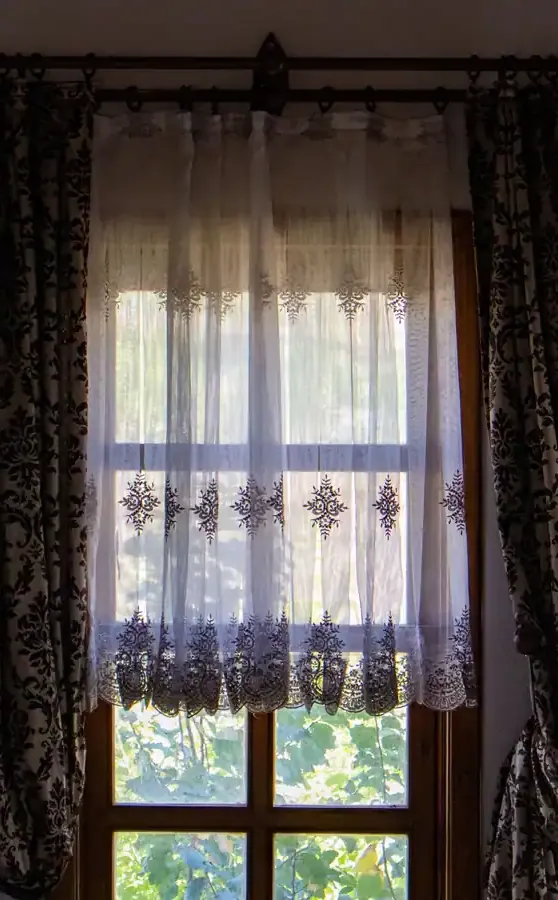
Um Hablain East spreads east of Jeddah, near King Abdulaziz International Airport and Mareekh Mountains, so curtains face fine dust from open ground and aircraft corridors. The district develops rapidly with relatively newer streets and simple residential housing, but location between open ground and major routes means curtains collect dust continuously.
Curtains here collect fine dust different from sea dust and expressway dust: earthy and light, spreading evenly across the fabric without concentrating on one edge or fold. For the method itself, see how we approach curtain cleaning.
Mareekh Mountains and open land around Um Hablain East deliver fine dust everywhere, not concentrated in one place but distributed across the entire curtain weave. This fine dust penetrates fabric more readily than coarse particles and resists simple shaking.
Newer streets and simple housing means homes with less ventilation than elsewhere, so indoor moisture lingers. Fine dust bonds with humidity and clings to curtains longer instead of falling to the floor.
King Abdulaziz International Airport nearby adds extra dust from aircraft movement and engines. This dust mixes with light fuel oils from engines and sandy particles, penetrating fabric differently from coastal or ordinary household dust.
Um Hablain East lies east of Jeddah near King Abdulaziz International Airport and Mareekh Mountains, one of the simpler residential districts with relatively newer streets but surrounded by extensive open ground.
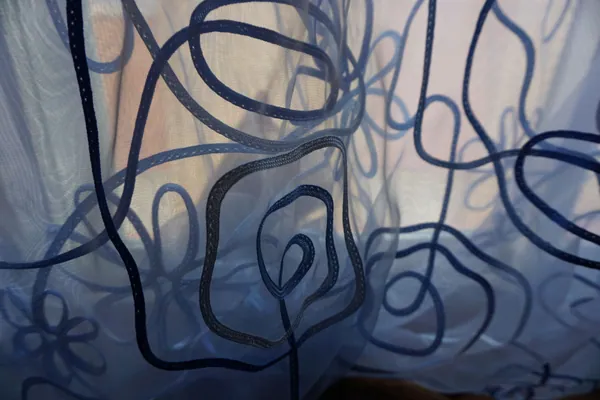
Fabric assessment in Um Hablain needs attention to fine dust spread evenly, not concentrated salt or food odours, so inspection method differs.
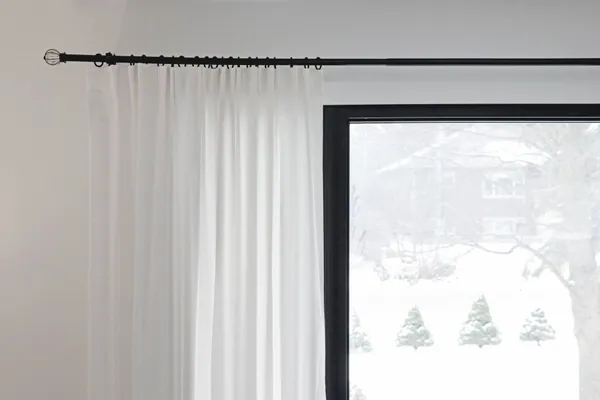
Removal is essential because fine dust penetrates deep into the weave easily, and cleaning while hung washes only the surface without reaching what has embedded.
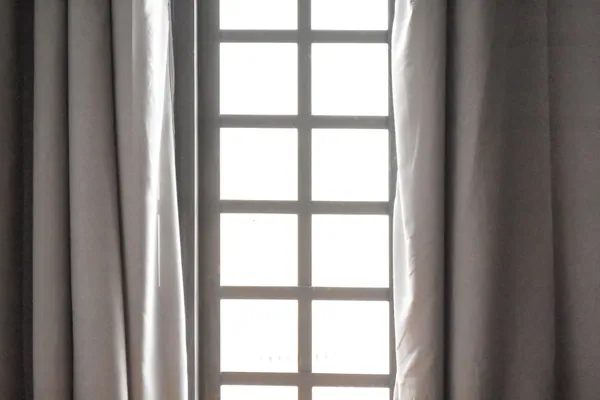
Strong dry vacuum first to extract fine dust, but may also need extraction because some oily aviation dust does not shake loose on its own.
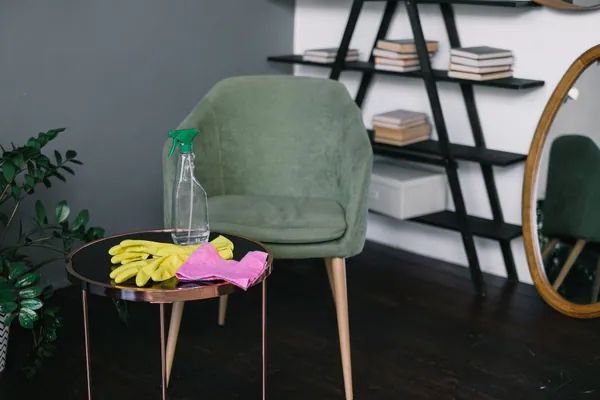
Light oily marks from fuel dust need separate treatment before washing, because these are not ordinary dust but a mix of dust and light engine oil.
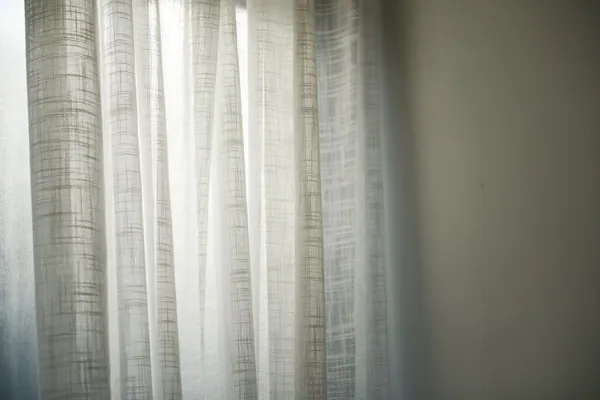
Cleaning by fabric type: modern light fabrics need lower water temperature and heavy ones need stronger pressure to extract dust from inside the weave.
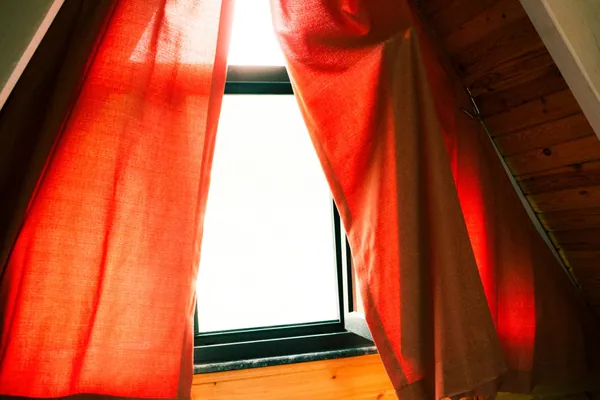
Rehang after complete slow drying to prevent shrinkage, especially since newer streets may have homes with limited ventilation.
Cotton, linen, velvet, blackout weave and synthetic sheers do not take the same heat or the same solution.
Before any water.
A water spot at the hem is not treated like a greasy film near a kitchen.
We loosen what has bonded inside the fibres across the full panel, both faces and top to hem, with the method that suits the fabric, while the curtains stay on the rail so the drape is not disturbed.
The loosened dirt and water are pulled back out in the same pass.
We go over the panels with you before the team leaves.
Mixed district: shops at street level with homes above them
Curtains in a mixed district near the airport face different pressure: fine dust spread evenly from open ground and the airport, and possibly shops at street level too, so treatment combines dust and oil removal together with care to prevent rapid re-soiling.
Testing the solution on a hidden fold is a step we treat as necessary, not optional.
We send a team, not a single worker.
The cleaning and extraction machines come with the team.
If a panel needs a tailor rather than a clean, we say so.
Photographs from real jobs carried out by the crew.












The commitment is simple enough to actually keep: we do not leave before you have seen the result and told us what you think of it.
King Abdulaziz International Airport and Mareekh Mountains define Um Hablain East's position, and work here organises around the airport and mountains that frame the district and determine the best approach routes.
We provide these in Um Hablain East too, and more than one can share a single visit.



