
We test before we clean
Testing the solution on a hidden fold is a step we treat as necessary, not optional.
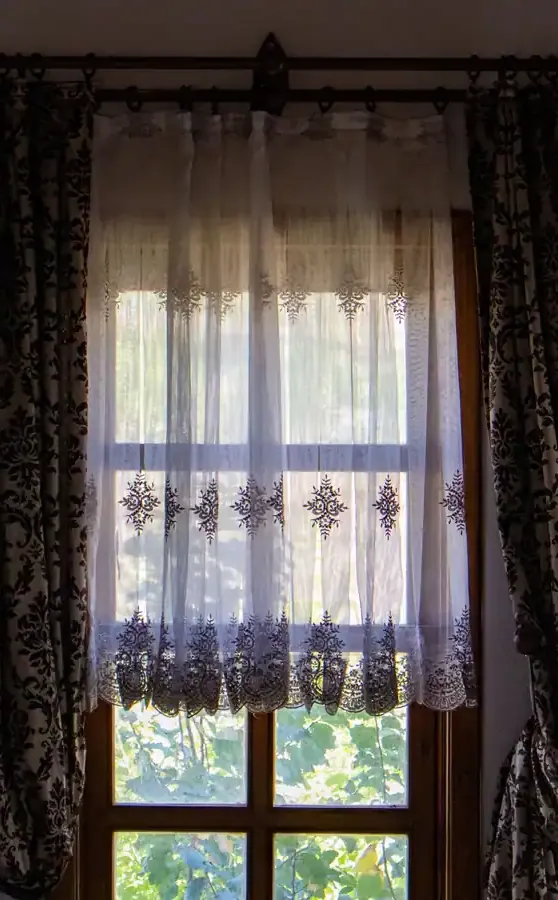
Al Mazloom is one of four historic quarters inside old walled Jeddah, with close-set stone houses and narrow lanes that trap fine black dust from the city's busier roads. Curtains here gather road dust faster than newer districts, and are exposed to moisture from the older kitchens and bathrooms crowded close together in the dense urban fabric.
Black dust from main-road traffic settles into curtain folds faster here because air stagnates in narrow lanes between closely packed heritage buildings rather than moving freely. For the method itself, see our guide to curtain cleaning.
Older kitchens and bathrooms crowded close together accumulate moisture, and ageing pipes seep fine droplets that reach curtains hanging nearby. Moisture dries slowly in the narrow street, leaving soft stains on fabric longer than in modern homes. The damp persists because air does not circulate freely through tight lanes.
Narrow streets and close buildings trap fine black dust from vehicle traffic and engines. Stagnant air cannot disperse this dust easily, so it settles deep into curtain pleats and gradually darkens the fabric colour. The buildup is faster and deeper than in airy newer quarters.
Windows in the old stone heritage houses may be small or oddly sized, and curtains hung there may be old and delicate. Handling them requires care at removal and rehang to avoid damage to aged, brittle fabrics and weak seams. The task is very different from modern standardised windows.
The dense building pattern and old stone construction traps moisture and stagnant air. Narrow streets slow air circulation, creating different drying rates than in newer quarters with wider spacing and modern ventilation.
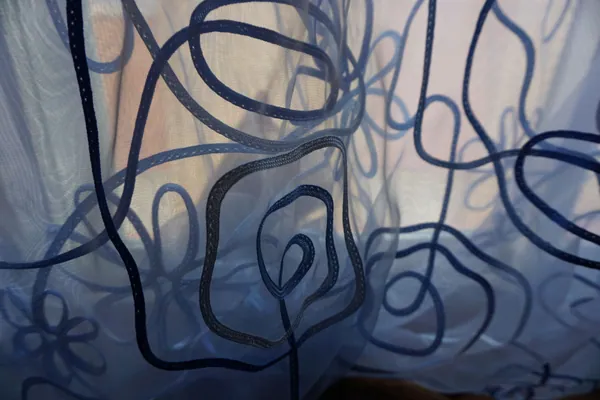
Old and silk fabrics need careful inspection before any treatment, and brittle weaves may require gentler handling than curtains in modern homes and new districts.
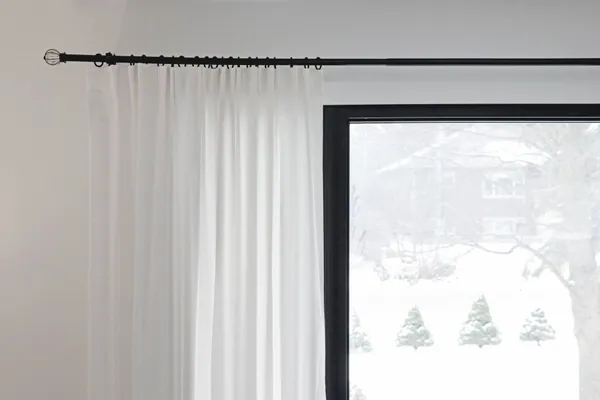
Small, old windows may have odd frames, so removal takes patience and careful moves to avoid damaging the wooden frame or the hung fabric at the point where it meets the rail.
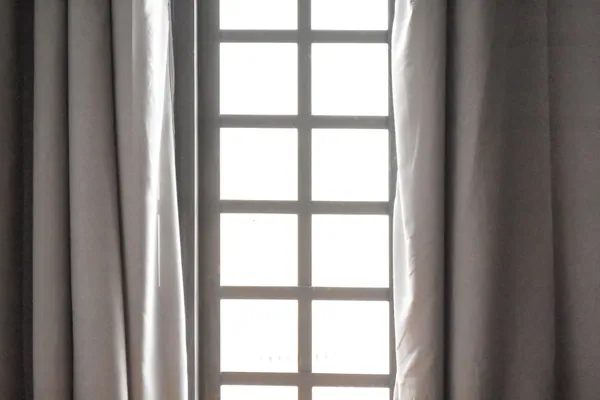
Dry vacuum is essential first to clear the deep-settled black dust, and suction follows gently on delicate, aged fabrics rather than any aggressive method.
Stains from rust and trapped moisture need individual attention, and dark marks from moisture damp need care when treated on old, sensitive fibres and aged dyes.
Cleaning method depends on how old the fabric is and how fragile it feels, and we may choose dry suction alone on silk rather than full water washing.
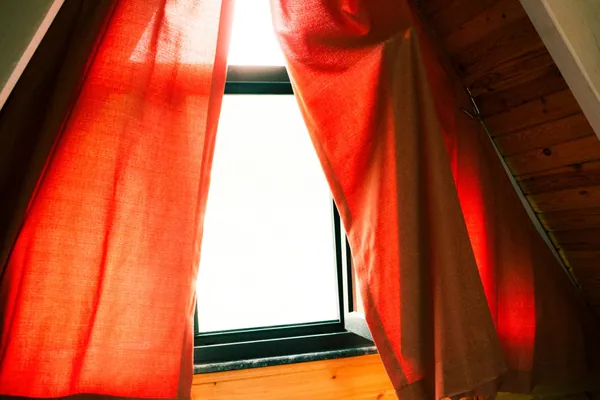
Rehang and crease-dropping takes longer in the old house, and drying may take longer than in modern flats because narrow streets and close buildings limit fresh air flow through the fabric.
Cotton, linen, velvet, blackout weave and synthetic sheers do not take the same heat or the same solution.
Before any water.
A water spot at the hem is not treated like a greasy film near a kitchen.
We loosen what has bonded inside the fibres across the full panel, both faces and top to hem, with the method that suits the fabric, while the curtains stay on the rail so the drape is not disturbed.
The loosened dirt and water are pulled back out in the same pass.
We go over the panels with you before the team leaves.
Historic district: close-set buildings, narrow lanes and ageing services
A historic quarter means old houses crowded together, and curtains there may be heirloom fabrics or very delicate. Handling them demands knowledge of heritage homes and aged weaves so their value and memory are not lost in cleaning.
Testing the solution on a hidden fold is a step we treat as necessary, not optional.
We send a team, not a single worker.
The cleaning and extraction machines come with the team.
If a panel needs a tailor rather than a clean, we say so.
Photographs from real jobs carried out by the crew.












The commitment is simple enough to actually keep: we do not leave before you have seen the result and told us what you think of it.
Central Jeddah is the old heart of the city: Al Balad with its coral stone houses, and the dense apartment quarters around it with shops beneath the flats. Floors here are often terrazzo or older ceramic tile, worn smooth and easily stained by cooking grease that drifts up from the street. Older kitchens and bathrooms carry heavy scale on taps and around drains, and pipework in the older blocks leaves rust marks in basins. Rugs and curtains take on the fine black dust of the main roads, so they need washing more often than elsewhere.
We provide these in Al Mazloom too, and more than one can share a single visit.



