
We test before we clean
Testing the solution on a hidden fold is a step we treat as necessary, not optional.
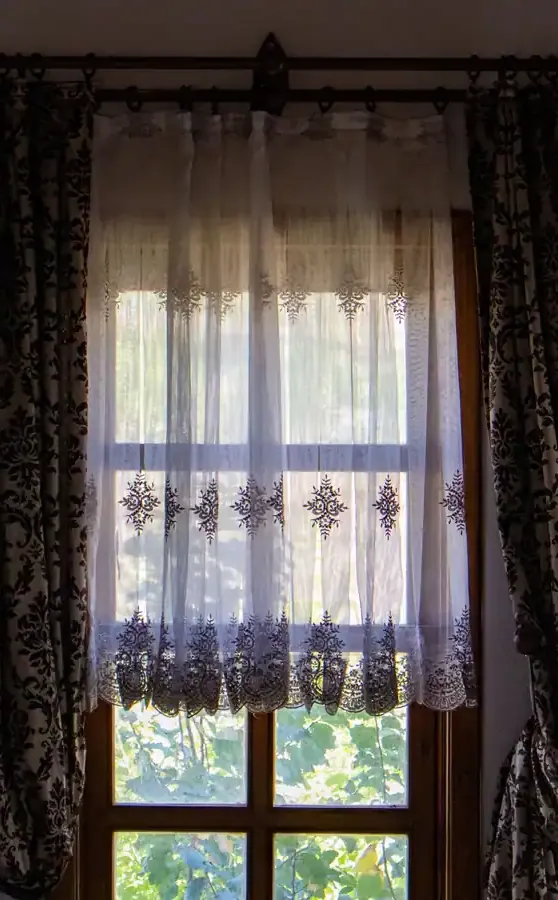
Al Muntazahat sprawls along the Old Makkah Road as a mixed district of villas, apartment blocks and street-level shops, and the dry dust from the open ground to the east settles in a thick grey layer on every curtain. Here the dust is coarser than coastal dust, heavier than city dust, and dries onto the weave in a way that shaking alone cannot lift. A deep clean that reaches into the fibres is the only method that fully restores the fabric and the light that passes through it.
Curtains in Al Muntazahat collect a thick grey dust layer within weeks, and even a careful shake releases a cloud of fine grit that settles again before evening. For the method itself, see how we approach curtain cleaning.
East Jeddah has no salt in the air, only coarse dust from the open ground and hills. This dust is heavier, paler, and settles in thick layers that block light and burden the weave much faster than city dust. It works under doors and collects in curtain folds as a fine grey film that ordinary shaking leaves mostly undisturbed.
Al Muntazahat is neither villa district nor apartment block, but both together with commercial frontages. Curtains in flats above food shops carry cooking oil and grease as well as dust, while villas facing the main road catch traffic pollution and grit directly. Each type of soiling calls for a different approach, and both demand deeper cleaning than routine dusting.
Water from rooftop storage tanks in this area deposits mineral residue on every surface nearby. Curtains beside windows are first to receive the white and grey sediment. Basic washing will not remove these deposits, but treating each mark individually with a targeted method extracts them from deep within the weave.
The district lies furthest from the Red Sea and closest to open ground and hills, so the air is much drier and the dust coarser and paler. It settles rapidly on horizontal surfaces and works its way into every fold of hanging fabric.
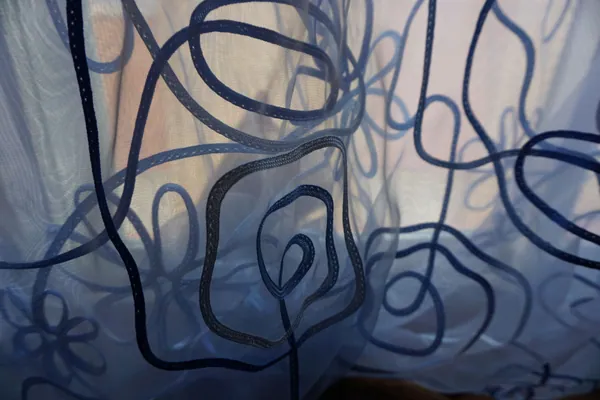
Heavy curtains on large windows, and those hanging above shops, need careful inspection before cleaning to confirm they will tolerate vacuuming and washing safely.
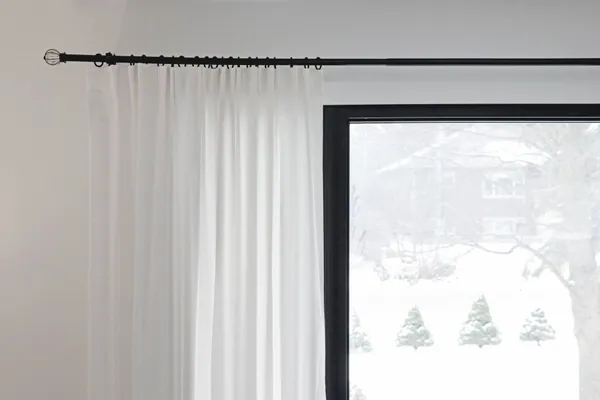
Taking down curtains in a villa is simpler than in an apartment block because the rail fixing is different and offers better access for safe removal and rehang.
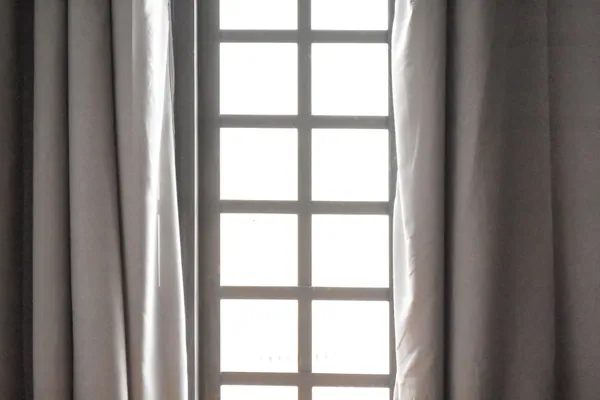
Dry vacuum removes most of the fine grey dust and grit before any water contact, making the subsequent wet cleaning much more effective on the stubborn remainder.
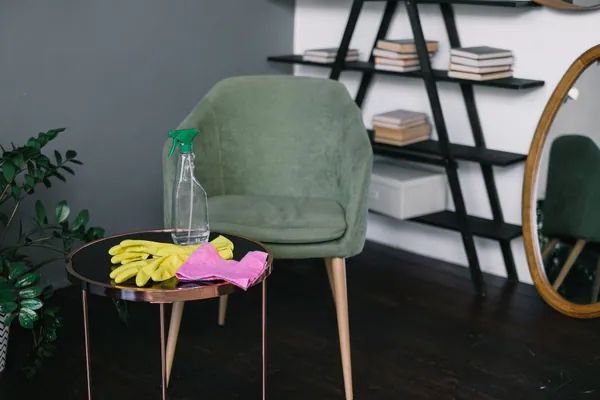
Grey and white mineral marks from water deposits are addressed individually with care before the full fabric wash to avoid spreading them or setting them deeper.
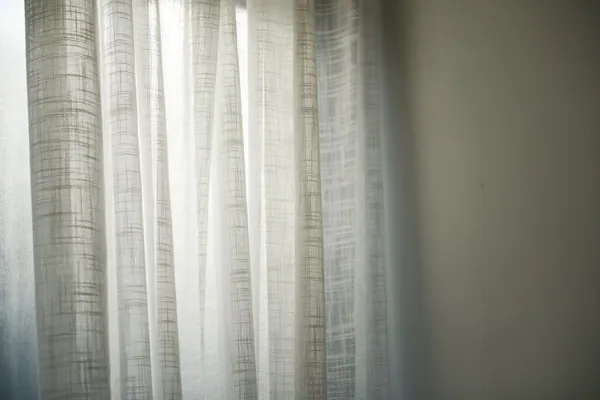
Heavy fabrics are cleaned gently to preserve the weave; lightweight ones are treated more intensively to extract dust that has become embedded in looser fibres.
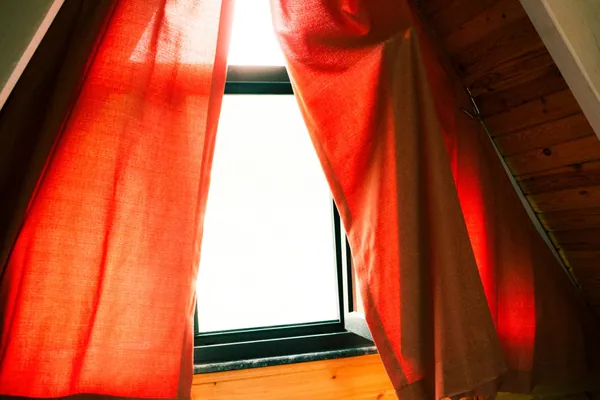
Lightweight curtains dry quickly in east Jeddah's dry air when hung in a well ventilated space; heavy ones need secure hanging and time to drip dry without strain.
Cotton, linen, velvet, blackout weave and synthetic sheers do not take the same heat or the same solution.
Before any water.
A water spot at the hem is not treated like a greasy film near a kitchen.
We loosen what has bonded inside the fibres across the full panel, both faces and top to hem, with the method that suits the fabric, while the curtains stay on the rail so the drape is not disturbed.
The loosened dirt and water are pulled back out in the same pass.
We go over the panels with you before the team leaves.
Testing the solution on a hidden fold is a step we treat as necessary, not optional.
We send a team, not a single worker.
The cleaning and extraction machines come with the team.
If a panel needs a tailor rather than a clean, we say so.
Photographs from real jobs carried out by the crew.












The commitment is simple enough to actually keep: we do not leave before you have seen the result and told us what you think of it.
East Jeddah lies furthest from the sea and closest to the open ground and hills beyond the ring roads, so the air is drier and the dust is coarser and paler than on the coast. It comes in under doors and settles on every flat surface overnight, making sofas, mattresses and curtains the heaviest part of the routine. Floors are mostly ceramic tile in the apartment districts and marble in the villa areas, both scratched by grit that is mopped rather than swept. Roof tank water leaves a grey film of sediment in baths and basins.
We provide these in Al Muntazahat too, and more than one can share a single visit.



