
We test before we clean
Testing the solution on a hidden fold is a step we treat as necessary, not optional.
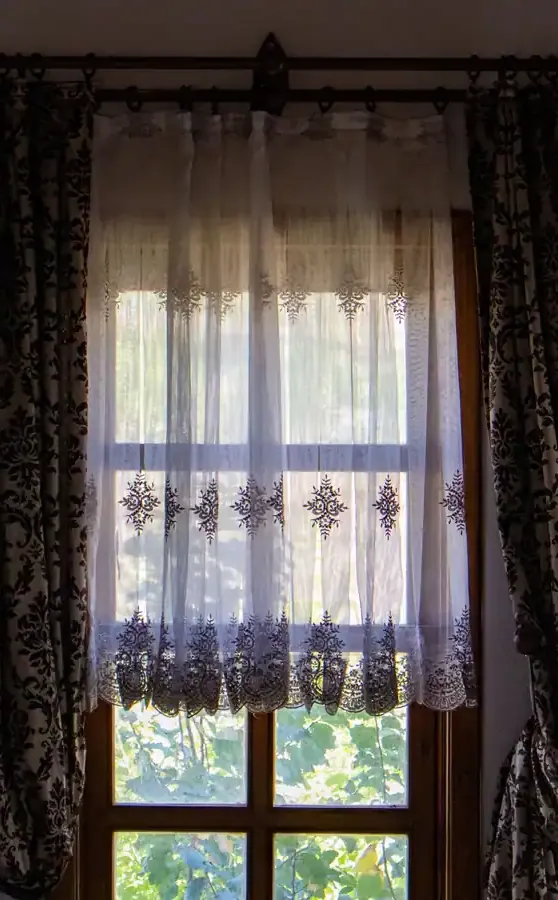
Al Rehab is a large mixed district where villas and apartment buildings sit alongside university colleges and bustling markets, and the main roads carry traffic dust and cooking grease from the many restaurants below. Curtains here trap a complex blend of soiling that is distinctly different from every other neighbourhood.
Curtains need cleaning roughly every two and a half months rather than three, because the location on a congested main road increases soot and grease accumulation noticeably. For the method itself, see our guide to curtain cleaning.
Traffic dust is not just fine particles: it carries oils from vehicles, trucks and motorcycles. This blend bonds to light fabrics and turns into a stubborn black layer that no amount of vacuuming alone can remove from the fibres.
Al Rehab has many markets, restaurants and cafes, and the mixed smell of food, oil and spices clings to the curtains and persists even after the first cleaning. Odour treatment is needed after degreasing because the smell has soaked into the weave independently.
A villa with a garden in Al Rehab may receive cleaner air than a flat in a building because of its height and the garden shelter around it. But if the flat sits above a shop, polluted air enters directly from the shop below.
King Abdullah Road and Al Arbaeen Street cut through Al Rehab as major busy thoroughfares, and the fine black dust from the fast-moving traffic fills curtains quickly and visibly.
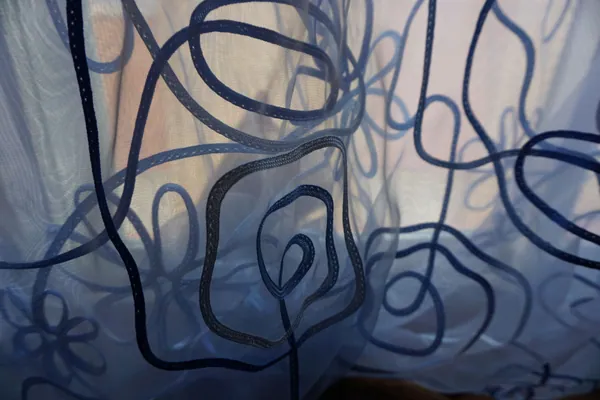
Fabrics range from sheer chiffon in modern flats to heavy linen in some villas, and each responds differently to the combined dust and grease here.
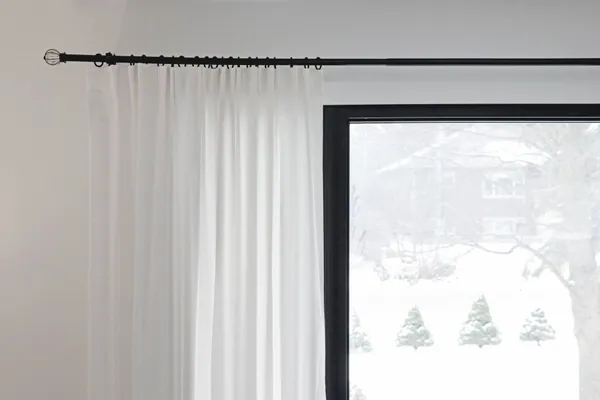
Taking curtains down reveals a dense dark layer on the back, especially if the curtain hung directly over a busy street.
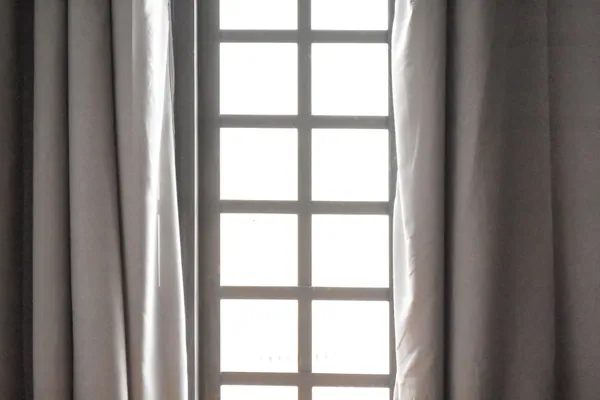
Dry vacuuming removes loose dust only: oil-bonded dust needs a soaking and loosening stage before washing to be truly removed.
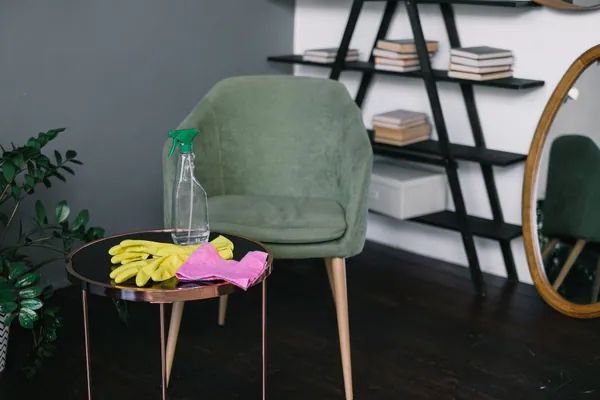
Black and grey marks need separate treatment from brown stains from cooking oil and food particles.
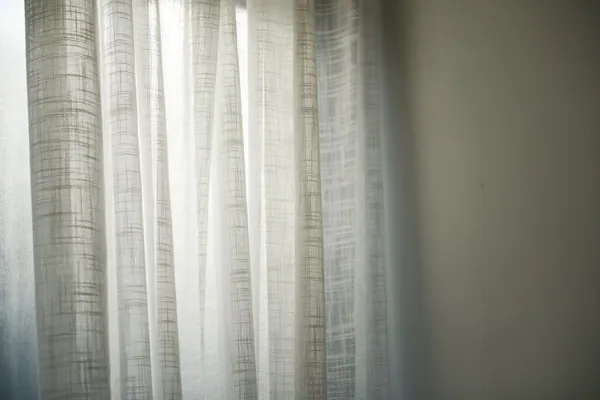
Washing varies by fabric: light textiles need cool water and gentleness, heavy fabrics can withstand stronger treatment for oils and soot.
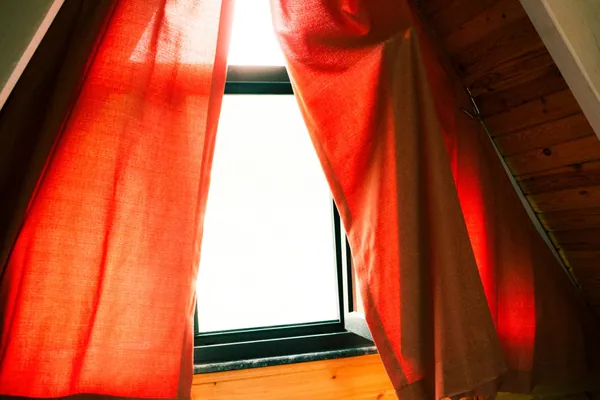
Drying requires good ventilation because the air in Al Rehab is polluted, and moisture hastens the return of cooking smells.
Cotton, linen, velvet, blackout weave and synthetic sheers do not take the same heat or the same solution.
Before any water.
A water spot at the hem is not treated like a greasy film near a kitchen.
We loosen what has bonded inside the fibres across the full panel, both faces and top to hem, with the method that suits the fabric, while the curtains stay on the rail so the drape is not disturbed.
The loosened dirt and water are pulled back out in the same pass.
We go over the panels with you before the team leaves.
Mixed district: shops at street level with homes above them
A mixed district means curtains face multiple pollution sources at once: a main road plus shops and restaurants below and across the street. This creates a cleaning problem entirely different from a villa in isolation or a quiet inland flat.
Testing the solution on a hidden fold is a step we treat as necessary, not optional.
We send a team, not a single worker.
The cleaning and extraction machines come with the team.
If a panel needs a tailor rather than a clean, we say so.
Photographs from real jobs carried out by the crew.












The commitment is simple enough to actually keep: we do not leave before you have seen the result and told us what you think of it.
Al Rehab extends around King Abdullah Road and Al Arbaeen Street, bringing together the University of Jeddah and Al Ahli Club, which means every home here sits near busy traffic axes that make curtains fill with dust and grease at a rapid pace.
We provide these in Al Rehab too, and more than one can share a single visit.



