
We test before we clean
Testing the solution on a hidden fold is a step we treat as necessary, not optional.
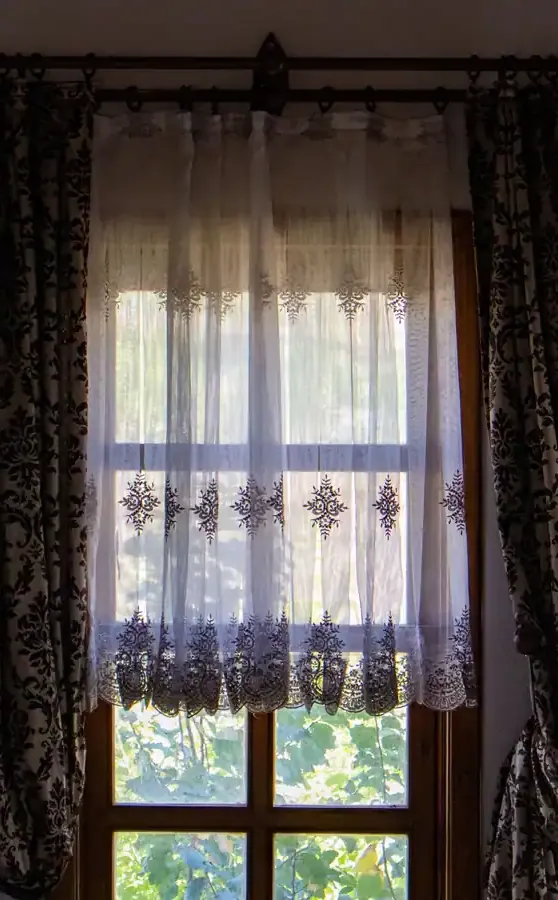
Al Faisaliyah is an older, crowded district in central Jeddah, cut through by King Fahd Road and bounded by Prince Majid Road and Madinah Road. Curtains here trap the fine black dust from the expressway and the rising grease from restaurant row on Sari Street. Cleaning takes more steps because fabrics may be fragile and the grime has been collecting for years.
Curtains on upper floors collect expressway dust in higher concentration than ground floors. Restaurant smells cling deep in the weave and do not fade with shaking alone. For the method itself, see the full curtain cleaning page.
King Fahd Road expressway directly in front of the district lifts heavy black dust every hour. Open windows facing the road let dust in easily. Curtains turn black from fine dust that has sunk deep into the fibres.
Sari Street holds dozens of restaurants and cafes. Their smell and grease rise from street level all the way to the upper floors. Curtains absorb it and stay smelly even after shaking. Special treatment is needed before the actual wash.
Old flats may have curtains hanging for years. Fabric weakens over time from dust, grease and sun exposure. Removal might tear weak fabric so extreme care is needed from the start.
One of the older central districts of northern Jeddah with dense apartment buildings and scattered villas. King Fahd Road runs through it and Prince Majid Road and Madinah Road bound it; Sari Street is its commercial spine with restaurants and banks.
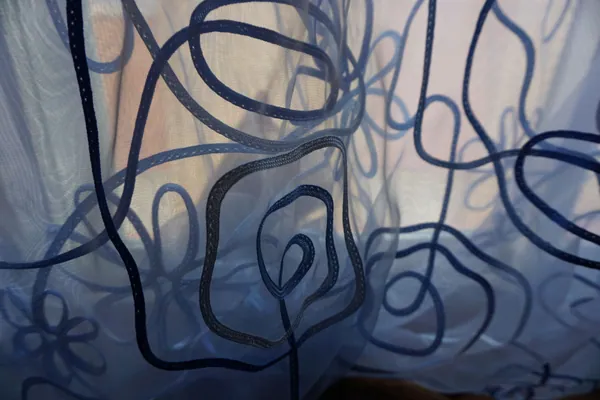
Fabric is old and mixed: some is heavy, some is light and some is ragged, so we test every piece carefully before any removal.
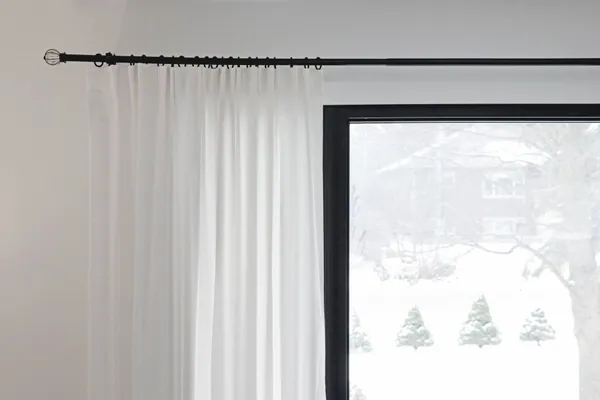
Removal needs extreme care because rods may be rusted and fabric may be very weak. We may not remove some curtains if the risk is too high.
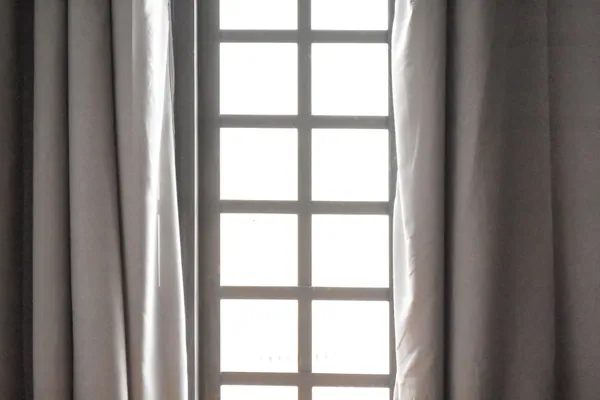
Dry vacuum takes a long time because deep black dust needs repeated vacuuming. We may vacuum a single curtain for ten minutes.
Black stains from dust and deep smell from restaurants need separate repeated treatment before washing to lighten them.
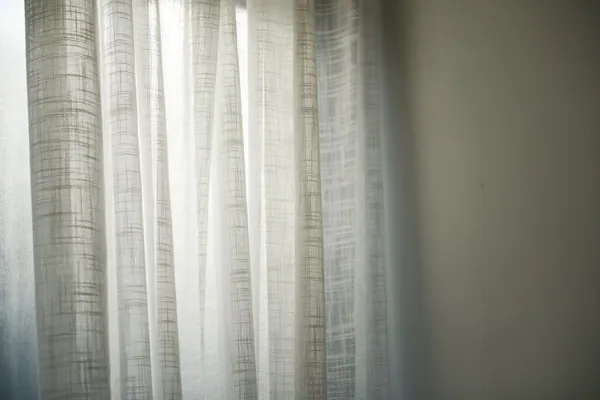
Washing is careful: strong fabric in warm water and weak fabric in cold. Grease from restaurants needs a special product before final rinsing.
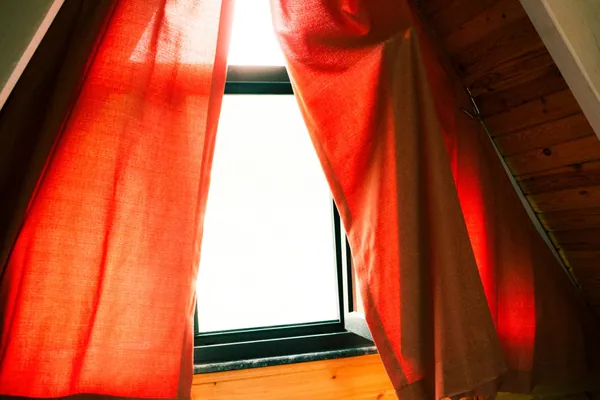
Rehang may need cleaning corroded rods first. Weak curtains need very careful lifting and may need support from two people if needed.
Cotton, linen, velvet, blackout weave and synthetic sheers do not take the same heat or the same solution.
Before any water.
A water spot at the hem is not treated like a greasy film near a kitchen.
We loosen what has bonded inside the fibres across the full panel, both faces and top to hem, with the method that suits the fabric, while the curtains stay on the rail so the drape is not disturbed.
The loosened dirt and water are pulled back out in the same pass.
We go over the panels with you before the team leaves.
Testing the solution on a hidden fold is a step we treat as necessary, not optional.
We send a team, not a single worker.
The cleaning and extraction machines come with the team.
If a panel needs a tailor rather than a clean, we say so.
Photographs from real jobs carried out by the crew.












The commitment is simple enough to actually keep: we do not leave before you have seen the result and told us what you think of it.
Central Jeddah is the old heart of the city: Al Balad with its coral stone houses, and the dense apartment quarters around it with shops beneath the flats. Floors here are often terrazzo or older ceramic tile, worn smooth and easily stained by cooking grease that drifts up from the street. Older kitchens and bathrooms carry heavy scale on taps and around drains, and pipework in the older blocks leaves rust marks in basins. Rugs and curtains take on the fine black dust of the main roads, so they need washing more often than elsewhere.
We provide these in Al Faisaliyah too, and more than one can share a single visit.



