
We test before we clean
Testing the solution on a hidden fold is a step we treat as necessary, not optional.
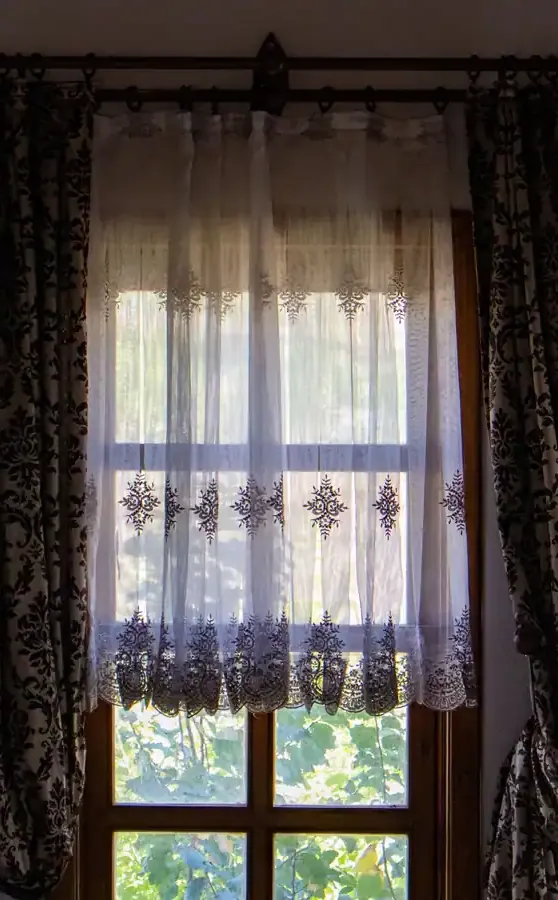
Quwaizah is among Jeddah's oldest districts, in the hills and valleys belt east of the city, beside Wadi Al Qaws which swept the area in the famous 2009 flood. The air here is dry from distance to the sea and rises and falls with the seasons. Curtains collect coarse dust fast. Moisture from the old flooding may still live deep in the walls.
Curtains here bear old moisture marks years after the flood. Fabrics feel heavy and hold a damp smell even on dry days, as if they have not fully dried since then. For the method itself, see the full curtain cleaning page.
The 2009 flood left deep moisture in walls, floors and curtains. Brown and yellow damp marks persist for years. We treat these with specialist solutions but some may be fixed in the fabric by now.
Homes were rebuilt quickly after 2009. New walls may not have tight seals. Moisture seeps in again in rainy seasons. Curtains absorb this returning dampness.
The hills and peaks around Quwaizah lift coarse desert dust in the wind. This dust is heavier and grips harder than city dust. Ordinary washing may not lift it fully from tight weaves.
The district is old and has a flooding history. Wadi Al Qaws runs beside it and its waters rise in rainy seasons. Mountains and hills around it keep the air dry and desert dust sharp and cutting.
Fabrics in flood damaged homes may be weak. We test a sample first and use cool water and gentle detergent only. Textiles that held moisture for years may shed or split.
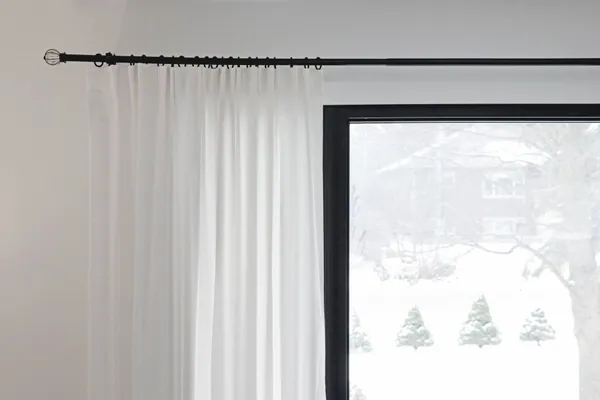
Removing curtains from rails in old homes needs care. Rust and moisture weakening may be present. We inspect each ring and remove slowly. If risk exists we tell you.
Dry vacuuming removes coarse dust but may need several passes. Moderate vacuum power is safe and effective. Gentle soaking may help if dust is sticky.
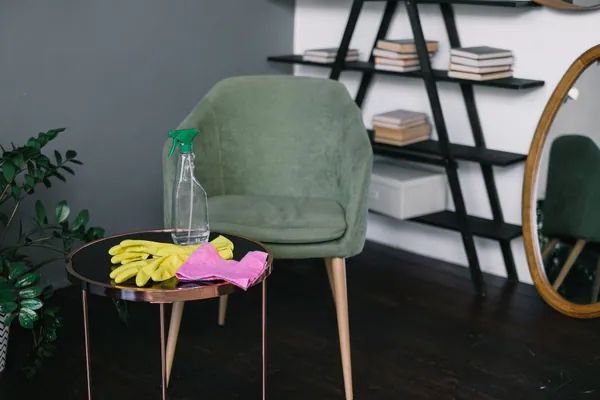
Old brown damp stains are treated with specialist solution. Very old flood stains may be fixed in the weave. We tell you upfront what to expect.
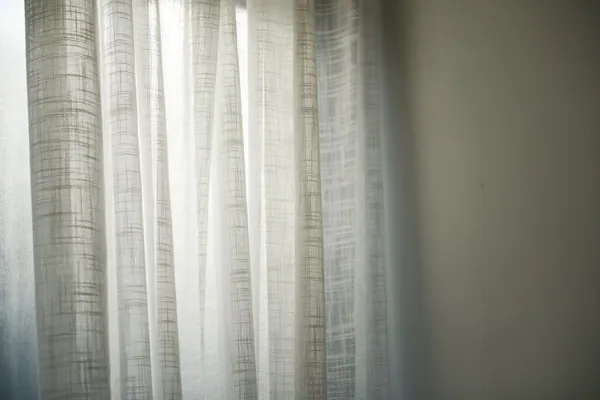
Weakened fabrics from prolonged dampness wash in cool water only. Soaking is gentle. Good rinsing removes trapped moisture from the fibres.
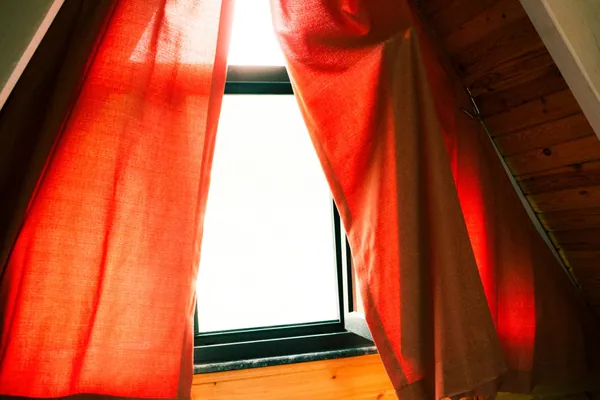
Air drying in shade takes time. Damp fabrics dry slowly so we allow extended time. Ventilation for hours after rehang completes the drying.
Cotton, linen, velvet, blackout weave and synthetic sheers do not take the same heat or the same solution.
Before any water.
A water spot at the hem is not treated like a greasy film near a kitchen.
We loosen what has bonded inside the fibres across the full panel, both faces and top to hem, with the method that suits the fabric, while the curtains stay on the rail so the drape is not disturbed.
The loosened dirt and water are pulled back out in the same pass.
We go over the panels with you before the team leaves.
Testing the solution on a hidden fold is a step we treat as necessary, not optional.
We send a team, not a single worker.
The cleaning and extraction machines come with the team.
If a panel needs a tailor rather than a clean, we say so.
Photographs from real jobs carried out by the crew.












The commitment is simple enough to actually keep: we do not leave before you have seen the result and told us what you think of it.
Quwaizah sits close to Wadi Al Qaws, which has defined the district's history, and Mareekh Mountains rise to the east behind the neighbourhoods. Our teams reach you on roads that pass these natural landmarks, and wadi water affects the districts directly, so we account for that in every job.
We provide these in Quwaizah too, and more than one can share a single visit.



