
We test before we clean
Testing the solution on a hidden fold is a step we treat as necessary, not optional.
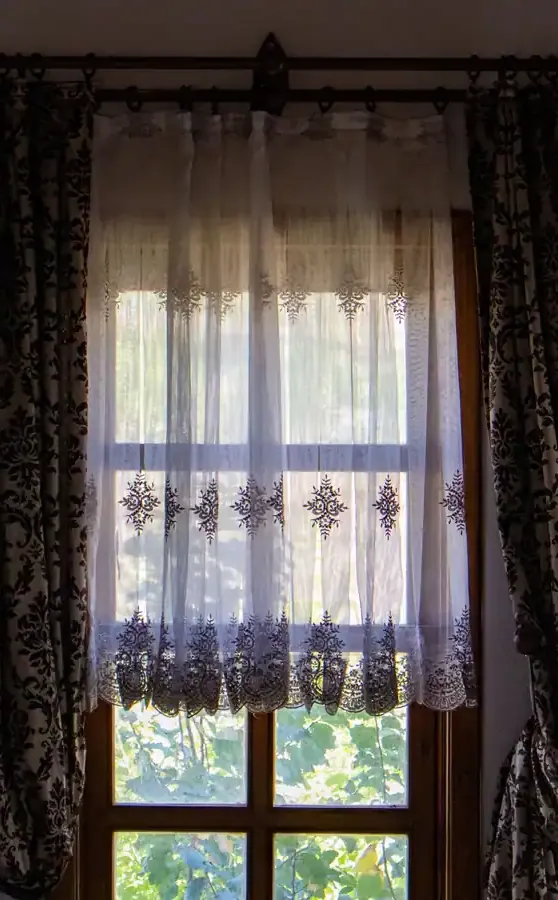
Dhahban East is an old coastal village north of Jeddah, with scattered homes and open ground, where curtains absorb salt and humidity from the sea air throughout the year. Deep cleaning here targets salt and moisture first, before ordinary dust, because the salt damages the weave if not removed properly.
Coastal areas release salt and dew each dawn, and curtains absorb salt and moisture even with windows closed, a pattern that differs entirely from inland districts. For the method itself, see the full curtain cleaning page.
Dhahban sits on the sea, and salt and moisture saturate the air every day of the year. Curtains absorb salt even through closed windows, and the salt crystallises on the fabric and causes drying, brittleness and fibre cracking. Cleaning here must dissolve salt, not merely wash dust.
Houses sit far apart and open land surrounds each one, so humid air enters from all sides. Curtains face moisture from every direction, and drying after cleaning needs strong airflow and direct sun to work properly.
Dhahban is very old and many homes are historic stone buildings where dampness is built into the walls and foundations. Curtains draw moisture from the house itself as much as from the air outside. Cleaning and drying take longer here than in modern villas.
An ancient village on the coast north of Jeddah, with homes spread out across open land between gardens and coastal roads, and air saturated constantly with salt spray and moisture from the sea very close by.
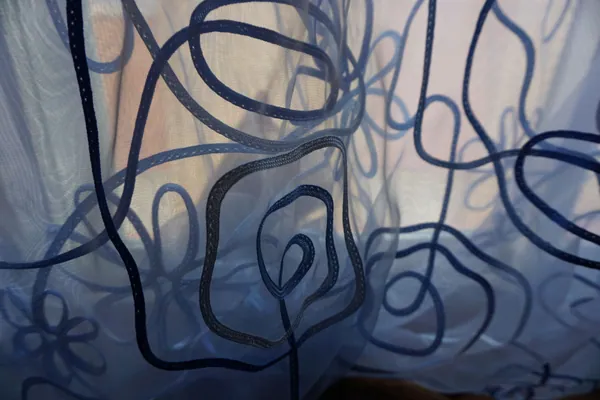
Coastal fabric holds salt and dew built into its weave, so we examine the fibres carefully to measure salt and moisture levels and choose products that neutralise salt rather than merely washing dust.

Transport from an old coastal house on rough terrain requires care, so we protect curtains from salt and moisture during the move.

Dry vacuum matters more than water, so we shake out salt and dew before any washing, and good suction removes excess moisture.
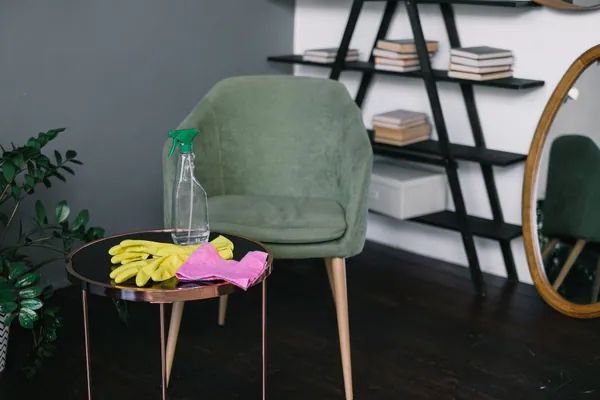
Salt stains and dew need special treatment before general washing, so we target salt first then dust and other marks.
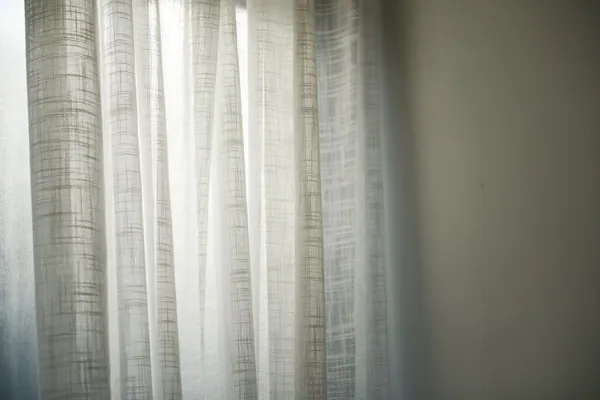
Cleaning method depends on building type and built-in moisture, as old stone houses release more dampness than modern ones.

Drying needs strong sun and good airflow and longer time than inland districts, so we spread curtains carefully and wait for complete drying before rehang.
Cotton, linen, velvet, blackout weave and synthetic sheers do not take the same heat or the same solution.
Before any water.
A water spot at the hem is not treated like a greasy film near a kitchen.
We loosen what has bonded inside the fibres across the full panel, both faces and top to hem, with the method that suits the fabric, while the curtains stay on the rail so the drape is not disturbed.
The loosened dirt and water are pulled back out in the same pass.
We go over the panels with you before the team leaves.
Testing the solution on a hidden fold is a step we treat as necessary, not optional.
We send a team, not a single worker.
The cleaning and extraction machines come with the team.
If a panel needs a tailor rather than a clean, we say so.
Photographs from real jobs carried out by the crew.












The commitment is simple enough to actually keep: we do not leave before you have seen the result and told us what you think of it.
Homes in Dhahban East sit close to Durrat Al Arus Resort and Dhahban Park, and depending on whether the house is near the coastal road or open ground we approach from the most straightforward direction.
We provide these in Dhahban East too, and more than one can share a single visit.



