
We test before we clean
Testing the solution on a hidden fold is a step we treat as necessary, not optional.
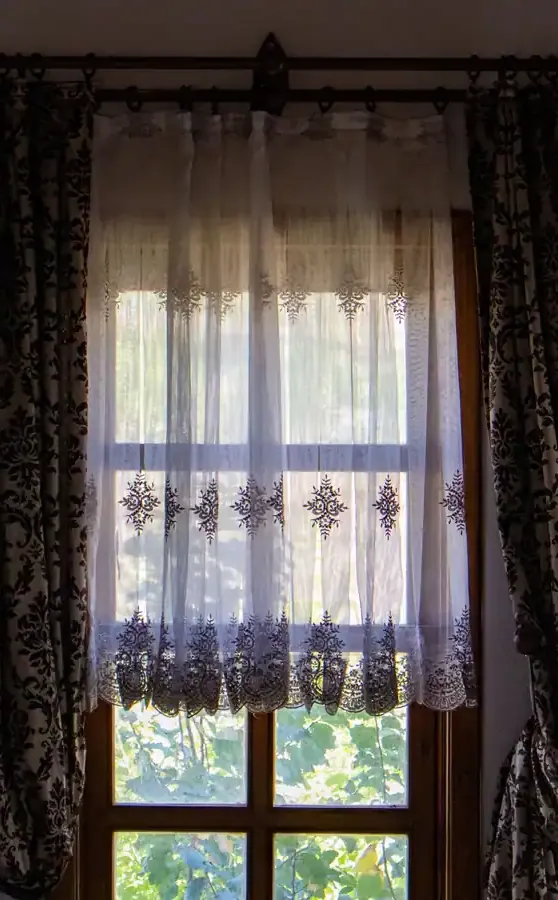
Al Widad is a mixed-use quarter where ground floor shops and offices sit directly below residential flats, so curtains upstairs absorb cooking smoke, grease and food odours that rise continuously from the commercial spaces below. The air that flows up from shops is not just dusty but laden with moisture and strong smells. Curtains become heavy and foul-smelling within weeks rather than months.
Curtains in flats directly above food shops need professional cleaning far more frequently than curtains in purely residential districts, and often smell strongly of cooking oil and smoke even when windows are closed. For the method itself, see our guide to curtain cleaning.
Ground floor shops and small eateries release cooking smoke, vapour and fine grease particles that rise directly into the flats. Curtains trap these fumes in their fibres and become heavy with strong odour within just weeks. The fabric itself takes on a stale food smell that hand washing alone cannot remove.
Shops and offices operate all day with open doors and constant foot traffic, which creates moisture and heat that rises straight up into the residential spaces. Curtains absorb this damp far more heavily than in purely residential quarters, making them feel sticky and smelly.
The busy commercial streets of Al Widad sit close to main roads where heavy traffic brings fine, harsh dust from asphalt and exhaust. This particles settle in curtains far faster than in quiet residential areas, combining with the grease and moisture to create a grimy, stubborn coating.
Dense apartment blocks with shops, offices and small eateries at street level and flat windows opening directly above them means cooking fumes and moisture rise constantly into the homes above.
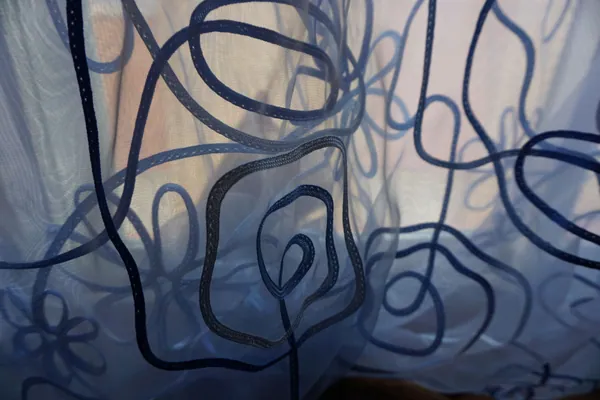
Fabric in a flat above a shop may carry heavy cooking oil smoke and needs careful inspection to assess the cloth type and strength before any washing is done.
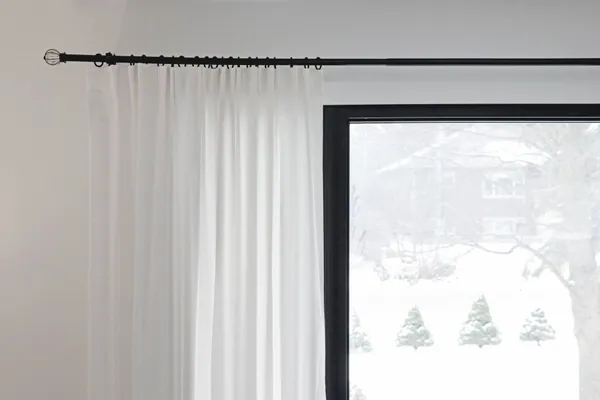
Taking down curtains requires care because oil makes fabric slippery and weak, and careless handling can tear the material instantly.
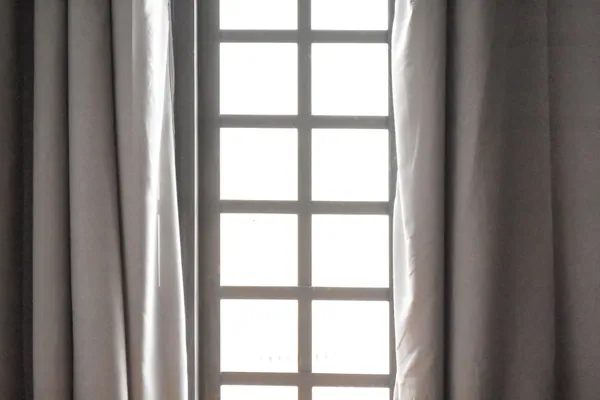
Deep dry vacuuming first removes as much sharp dust and smoke as possible before the cloth is dampened at all.
Grease and smoke require separate strong treatment, and dark stains are often a mixture of both together and need specific handling.
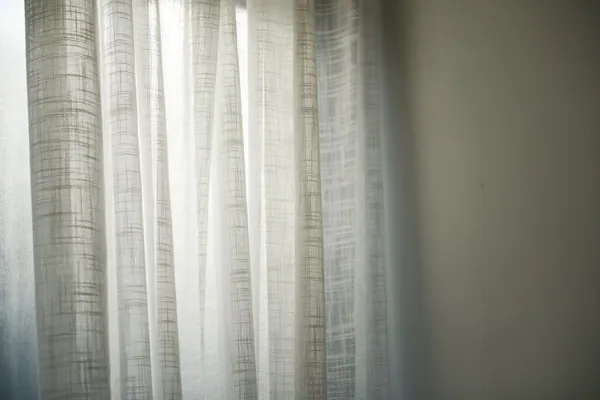
Cleaning needs a powerful but safe method that removes the thick buildup of smoke and grease trapped deep in the weave.
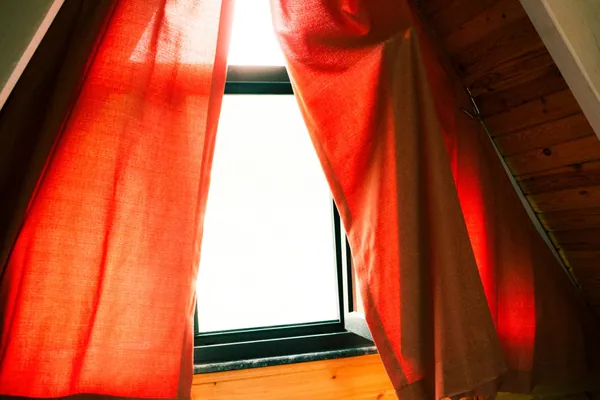
Rehang in well-ventilated space away from the shop's cooking smoke below, and drying may take much longer than normal.
Cotton, linen, velvet, blackout weave and synthetic sheers do not take the same heat or the same solution.
Before any water.
A water spot at the hem is not treated like a greasy film near a kitchen.
We loosen what has bonded inside the fibres across the full panel, both faces and top to hem, with the method that suits the fabric, while the curtains stay on the rail so the drape is not disturbed.
The loosened dirt and water are pulled back out in the same pass.
We go over the panels with you before the team leaves.
Testing the solution on a hidden fold is a step we treat as necessary, not optional.
We send a team, not a single worker.
The cleaning and extraction machines come with the team.
If a panel needs a tailor rather than a clean, we say so.
Photographs from real jobs carried out by the crew.












The commitment is simple enough to actually keep: we do not leave before you have seen the result and told us what you think of it.
Mixed district: shops at street level with homes above them
A mixed-use quarter means the flat does not just face road dust, but also heavy smoke, cooking grease and strong odours that rise constantly from the shop or office below. Cleaning must target this specific heavy mixture of cooking fumes, grease and moisture embedded deeply in the fabric weave.
We provide these in Al Widad too, and more than one can share a single visit.



