
We test before we clean
Testing the solution on a hidden fold is a step we treat as necessary, not optional.
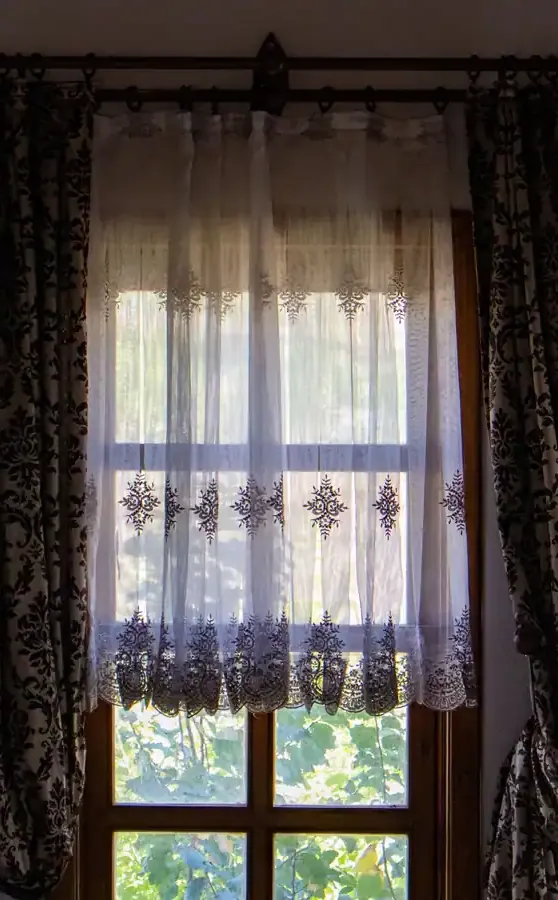
Al Murjan is a small coastal neighbourhood on the north corniche with low density villas and apartments facing the sea. Salt and humidity are in the air the year round, leaving curtains damp even without rain. The moisture means odours and dust settle deeper and stay longer than in drier districts.
High humidity and salt in the air keep curtains slightly damp at all times, allowing odours and dust to build up in the fibres more persistently than in dry neighbourhoods. For the method itself, see how we approach curtain cleaning.
Coastal air carries salt and moisture year round, and curtains absorb both. Salt accumulates on the outer surface and moisture penetrates the weave, leaving the curtain slightly damp even without rain.
In dry neighbourhoods, odours evaporate. In Al Murjan, humidity holds the smell and traps it inside, so curtains here hold cooking smells, mustiness and even salt smell for weeks or months longer.
After cleaning, curtains must dry completely, but Al Murjan's high humidity surrounds the home. Rehanging needs good ventilation and assurance that moisture does not reabsorb during the final drying stage.
A coastal neighbourhood on the north corniche between the sea and King Abdulaziz Road, with low density villas, apartment buildings and gated compounds facing the water directly.
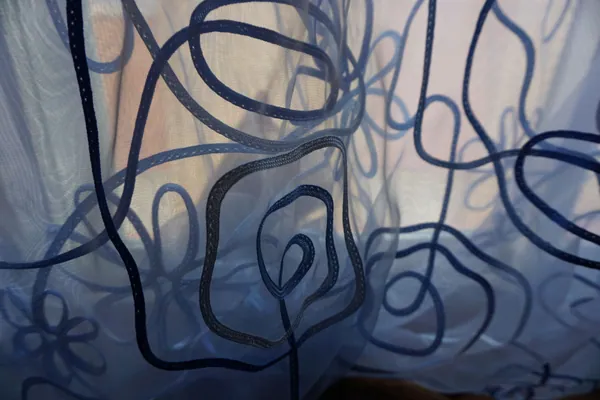
Fabric and how it hangs: Coastal curtains are blended fabric or heavy cotton, hung on metal rails that may carry salt deposits.
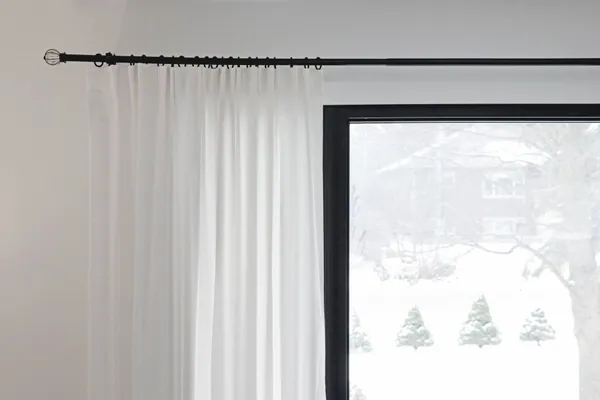
Panels taken down carefully: We remove carefully because salt may have made rings stiff or difficult to move, and we avoid shaking salt onto furniture.
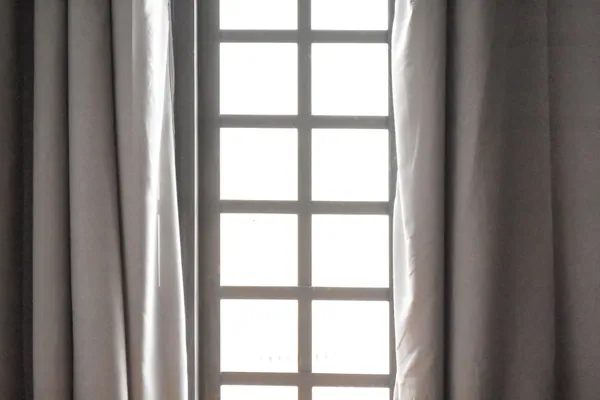
Dry vacuum before any water: We start with strong suction to lift salt and dust that has absorbed moisture and become heavy.
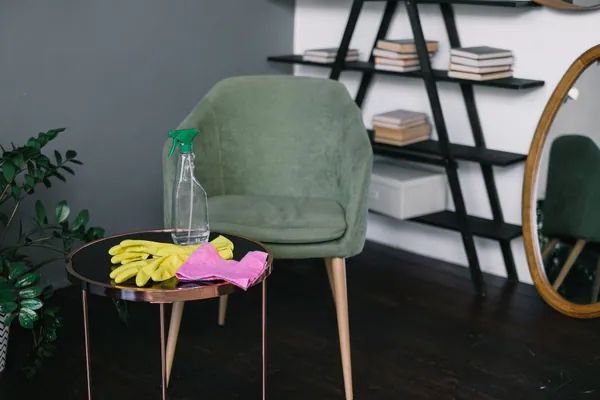
Stains treated one by one: Salt deposits and mineral scale need chemical treatment different from dust and odours.
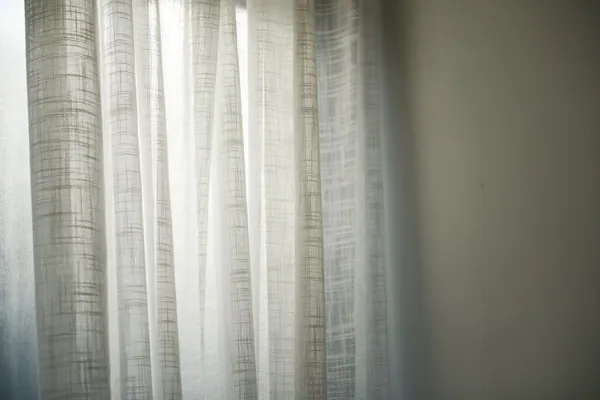
Cleaning method set by type: Coastal fabric needs extended washing and repeated rinse cycles to remove all salt from the fibres.
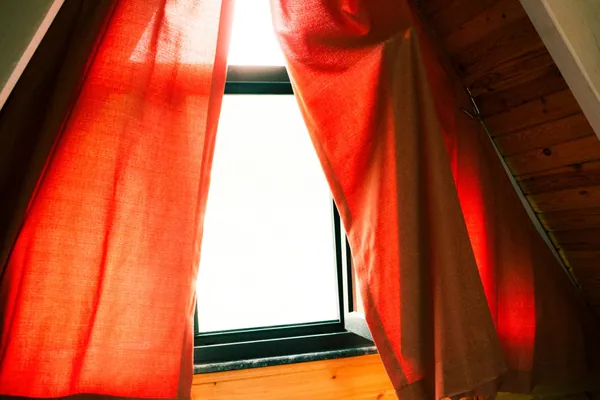
Rehung and creases dropped: We rehang in a well ventilated space so curtains dry without reabsorbing new moisture.
Cotton, linen, velvet, blackout weave and synthetic sheers do not take the same heat or the same solution.
Before any water.
A water spot at the hem is not treated like a greasy film near a kitchen.
We loosen what has bonded inside the fibres across the full panel, both faces and top to hem, with the method that suits the fabric, while the curtains stay on the rail so the drape is not disturbed.
The loosened dirt and water are pulled back out in the same pass.
We go over the panels with you before the team leaves.
Testing the solution on a hidden fold is a step we treat as necessary, not optional.
We send a team, not a single worker.
The cleaning and extraction machines come with the team.
If a panel needs a tailor rather than a clean, we say so.
Photographs from real jobs carried out by the crew.












The commitment is simple enough to actually keep: we do not leave before you have seen the result and told us what you think of it.
West Jeddah faces the sea along the Corniche, and the flats and towers along it live with salt in the air all year. Salt settles on glass as a haze that plain water spreads rather than removes, and it works into balcony railings, outdoor fabric and the metal of window frames. Indoors, humidity keeps carpets and curtains slightly damp, so they hold odours and dust longer than in drier districts, and bathroom grout and shower glass show scale quickly. Wooden floors and doors swell a little in the wetter months.
We provide these in Al Murjan too, and more than one can share a single visit.



