
We test before we clean
Testing the solution on a hidden fold is a step we treat as necessary, not optional.
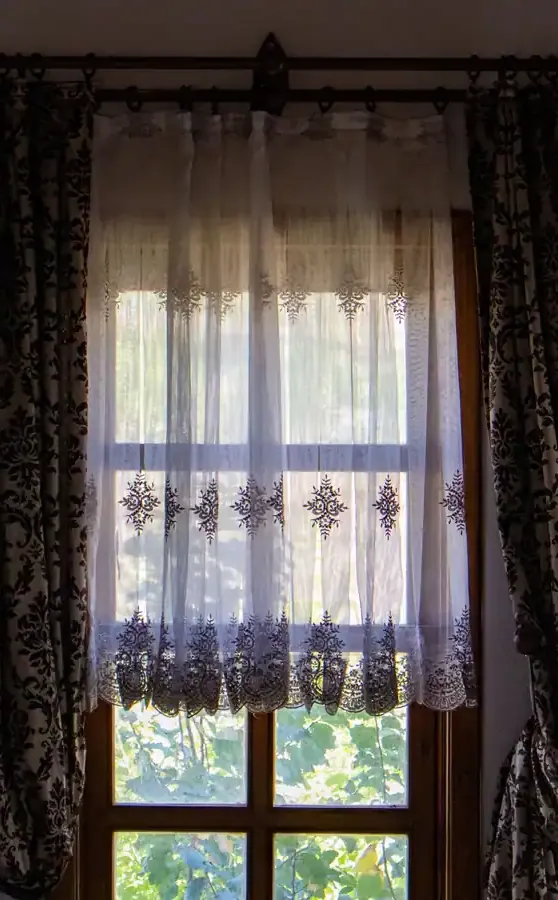
Al Dahiyah is a relatively modern mixed-use district in south Jeddah with villas and flats alongside ground floor shops, where curtains face fumes and food smells from commercial spaces and dust from busy streets. The district underwent recent full development with new road and utility networks, but mixed use brings different challenges.
Al Dahiyah is newly built with clean streets, but its mixed use of villas, flats and shops means curtains in villas facing shops absorb food smells and odours, whilst flats facing the busier streets collect dust from vehicle and bike traffic. For the method itself, see our guide to curtain cleaning.
Al Dahiyah is both residential and commercial, so curtains in villas facing shops face cooking smoke and food odours and cleaning chemicals. Curtains in flats facing the street face dust from car and bike traffic.
Al Dahiyah is still developing, and building projects around the district continue. This means dust from trucks and excavation enters curtains more easily and more often.
Newly surfaced streets lift fine dust with every car movement. The fine dust enters open windows easily and settles deep in the curtain folds.
The district lies within reach of the Middle Ring Road and has undergone comprehensive development, with wide areas resurfaced and new networks installed for roads, lighting and water. It contains mosques, schools, restaurants and shops alongside residential blocks.
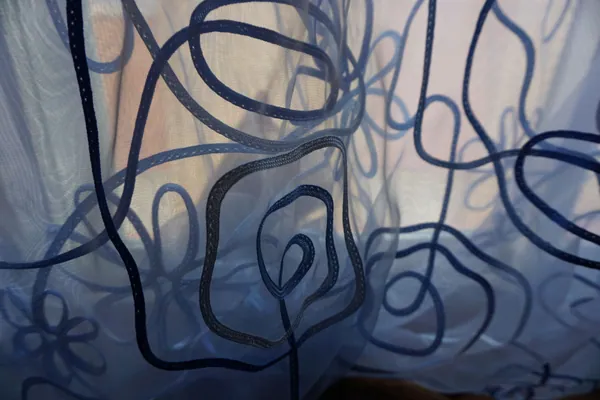
Curtains in Al Dahiyah are mixed types because villas hold heavy curtains and flats often have lightweight fabrics, so we test each type carefully before washing to ensure safe handling.
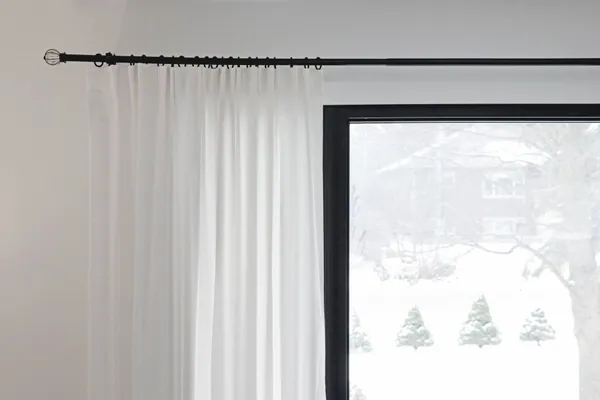
Removal is done carefully as modern fixings are strong, but villas near shops may have limited working space around the window frame.
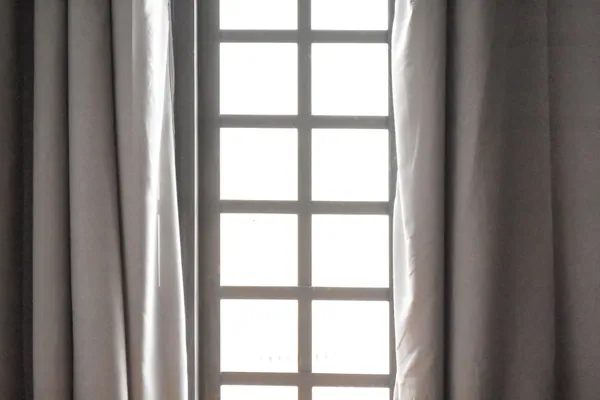
Dry vacuum first removes mixed fine and coarse dust present on curtains in this mixed-use district before any water is introduced.
Stains from smoke and oil from shops, and black dust from the street, are each treated with the product suited to that particular mark.
Lightweight and heavy curtains are both washed in warm water, and drying is balanced according to the fabric type, curtain size and weave thickness.
Rehung curtains are fully dry before hanging, and modern fixings are usually safe, though heavy curtains may need two people to steady the rod during installation.
Cotton, linen, velvet, blackout weave and synthetic sheers do not take the same heat or the same solution.
Before any water.
A water spot at the hem is not treated like a greasy film near a kitchen.
We loosen what has bonded inside the fibres across the full panel, both faces and top to hem, with the method that suits the fabric, while the curtains stay on the rail so the drape is not disturbed.
The loosened dirt and water are pulled back out in the same pass.
We go over the panels with you before the team leaves.
Mixed district: shops at street level with homes above them
Mixed-use means curtains in villas absorb commercial odours from shops below or nearby whilst each flat faces its own dust and smell sources, so cleaning must understand the mixed context and treat each curtain according to its specific exposure.
Testing the solution on a hidden fold is a step we treat as necessary, not optional.
We send a team, not a single worker.
The cleaning and extraction machines come with the team.
If a panel needs a tailor rather than a clean, we say so.
Photographs from real jobs carried out by the crew.












The commitment is simple enough to actually keep: we do not leave before you have seen the result and told us what you think of it.
In Al Dahiyah, villas and flats are spread near the Middle Ring Road and between Jeddah Islamic Port and shops lining Al Lith Road and 80th Street, and our work is coordinated from each property and transported according to its location in the district.
We provide these in Al Dahiyah too, and more than one can share a single visit.



