
We test before we clean
Testing the solution on a hidden fold is a step we treat as necessary, not optional.
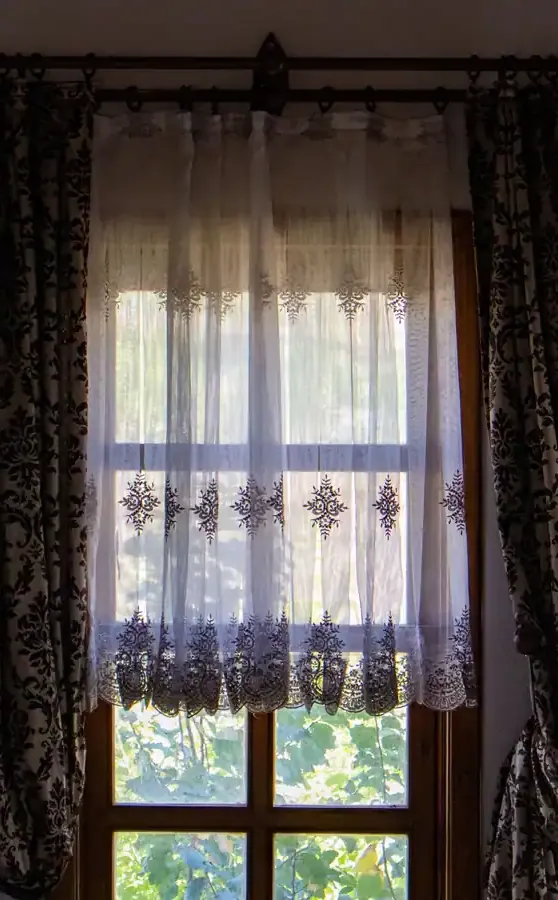
Al Qaws is a mixed district sitting along a wadi course that drains directly through the city, carrying moisture and hill dust on every breeze to open windows and street-facing frontages. Curtains here trap far more than dust: they hold the suspended moisture that arrives with every shift in the air, and that moisture takes time to leave again once it has soaked into the weave.
Curtains in Al Qaws do not dry quickly after cleaning because the damp air rising from the wadi and surrounding hills keeps them moist even when windows remain shut. For the method itself, see our guide to curtain cleaning.
Curtains on lower floors are exposed to the cooking smell and fumes from shops and restaurants below, which concentrate heavily because heat and moisture trap them indoors. Upper floors catch the wadi moisture but it escapes faster, whereas ground floors hold it and mix it with the smell from the shop beneath, making both harder to shift.
Wadi Al Qaws and its course raise atmospheric moisture for weeks at a time, especially after rain but often without it. Curtains absorb this moisture and become heavy and stale, developing a musty smell that ordinary shaking or vacuuming will not shift. The smell goes deep and settles between the fibres.
Dust from Mareekh and the surrounding hills is lighter in colour than asphalt road dust but finer and penetrates much deeper into fabric. Black dust shows immediately, but hill dust hides itself until the curtain simply looks faded and tired for no obvious reason, and a shake reveals nothing.
The district lies within the valley and hill belt east of Jeddah, near the Mareekh Mountains, where the wadi that gives the area its name flows through and maintains a persistently high atmospheric moisture level.
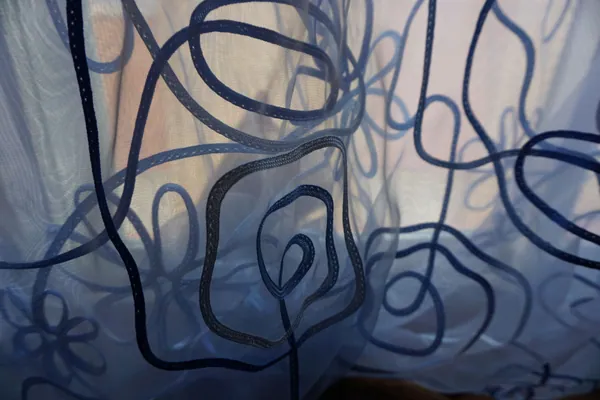
Curtain fabric here is constantly exposed to moisture and becomes heavier in weight than fabric in drier areas, which affects how carefully we must remove it and rehang it without damage.
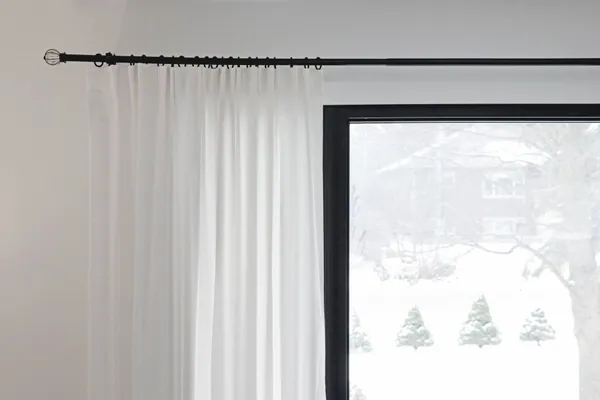
Fine suspension wires and lightweight stitching become fragile from chronic dampness and must be removed with deliberate slowness to avoid snapping or tearing during the take-down.
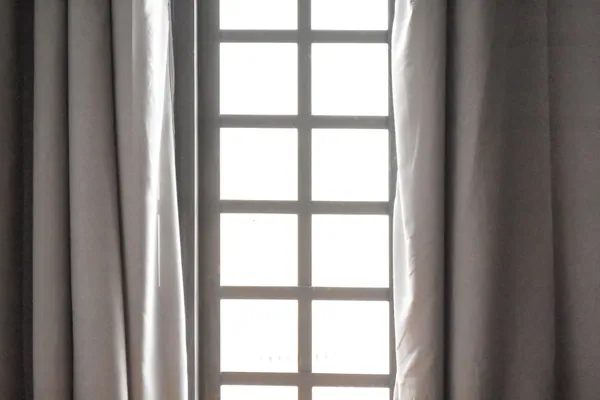
The initial dry vacuum must be strong because fine hill dust is trapped deeply in the damp weave and will not lift with light pressure alone.
Marks from wadi moisture and smell from the shops below require separate treatment chosen for their specific cause, not treated with a single method.
The cleaning method depends on atmospheric humidity on the day of work and on your specific fabric type, so we always test a small hidden section first.
Rehanging takes longer here because we confirm complete dryness before rehung, especially for ground floor flats where humidity may creep back into a still-damp fabric.
Cotton, linen, velvet, blackout weave and synthetic sheers do not take the same heat or the same solution.
Before any water.
A water spot at the hem is not treated like a greasy film near a kitchen.
We loosen what has bonded inside the fibres across the full panel, both faces and top to hem, with the method that suits the fabric, while the curtains stay on the rail so the drape is not disturbed.
The loosened dirt and water are pulled back out in the same pass.
We go over the panels with you before the team leaves.
Mixed district: shops at street level with homes above them
The mixed character means shops and restaurants occupy the ground floors while homes sit directly above them.
Testing the solution on a hidden fold is a step we treat as necessary, not optional.
We send a team, not a single worker.
The cleaning and extraction machines come with the team.
If a panel needs a tailor rather than a clean, we say so.
Photographs from real jobs carried out by the crew.












The commitment is simple enough to actually keep: we do not leave before you have seen the result and told us what you think of it.
Al Qaws spreads along the course of Wadi Al Qaws as it drains through east Jeddah close to the Mareekh Mountains, making the district's location and organisation inseparable from the valley's geography and the hills that frame it. Work here requires an understanding of how the moisture from the wadi behaves and how dust travels downwind from the surrounding heights.
We provide these in Al Qaws too, and more than one can share a single visit.



