
We test before we clean
Testing the solution on a hidden fold is a step we treat as necessary, not optional.
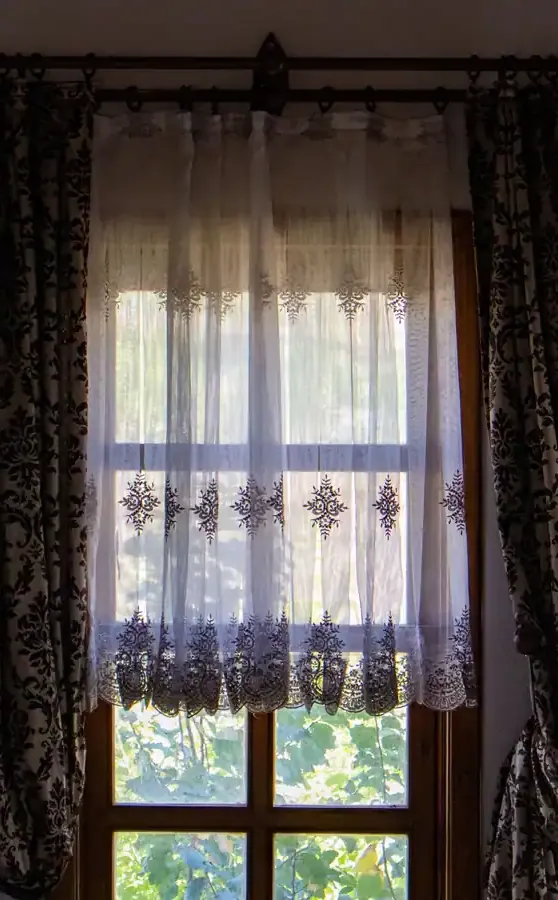
Al Basateen is a villa district with spacious plots, private gardens and boundary walls to each home, close to the seafront and the airport on King Abdulaziz Road. The villas here are large and the windows are wide, so your curtains are longer and heavier than standard, and lifting and lowering them safely needs a full team.
The homes here are spacious, windows are wide and high, so curtains often run four or five metres in length and carry significant weight. Handling them safely requires two people and careful lowering to avoid damage to the track and fittings. For the method itself, see our guide to curtain cleaning.
Al Basateen villas have high ceilings and unusually wide windows, so curtains often span four or even five metres in length. Taking these down and handling them safely requires a full team and careful support. Heavy fabric means high loads on the track and fittings, which is why inspection comes before work begins.
Al Basateen is close to the seafront and Obhur Bay, so the air is salt laden and humid all year. Curtains absorb this moisture and salt, staying slightly damp even on dry days, holding odours and dust longer than in inland areas, and the salt hardens dust to make it stick to the weave.
Every villa here has a garden or courtyard, and routine irrigation spreads moisture across thresholds and entry areas. Fine sand clings to feet and works into the home, and curtains near doors and balconies collect this sand mixed with moisture and sea salt.
A major villa district between Al Murjan and Madinah Road, with generous grounds, gardens and private walls for each property, home to international schools, Al Mawaddah Park and Roshan Mall on its main roads.
Long and heavy curtains in large villas need careful inspection of the tracks, fittings and fixings before work, because the weight may be at or near the safe load limit of the mounting system.
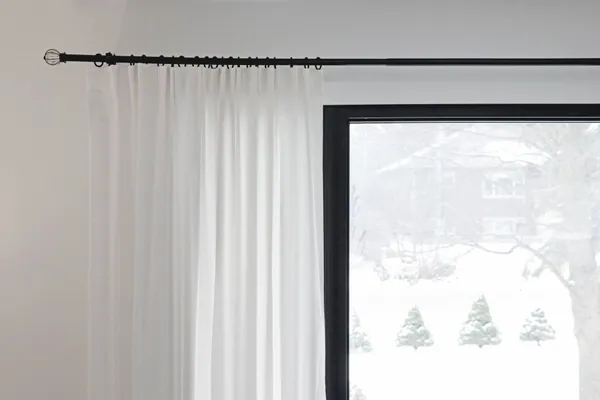
Lowering long heavy curtains requires two people and control at every stage. One person releases the track or hooks while the other supports the fabric, preventing it from jamming or tearing as it descends.
Dust and sand need vigorous vacuum and a strong shake before water, because moisture and salt will cement dust to the weave and make removal much harder.
Marks from salt and humidity need treatment with a salt-reversal method, not acid or enzyme, because those can damage sensitive fabrics and leave a new residue.
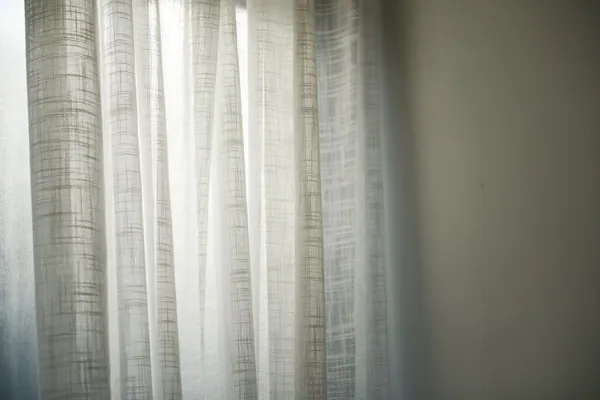
Method depends on fibre: sheer or delicate fabrics forbid rubbing or wringing; heavy fabrics benefit from deep vacuum and gentle agitation in clean water to open the weave.
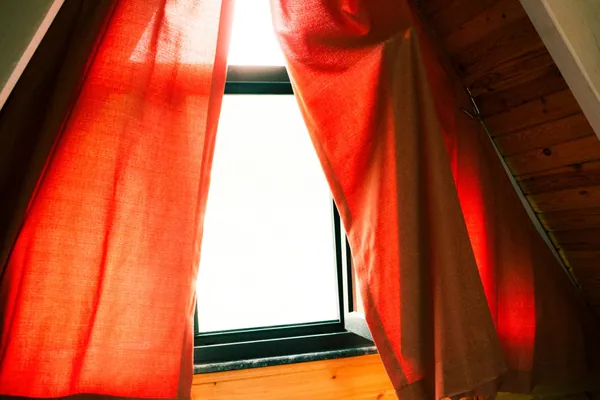
Drying should happen in shade or indoors, never in direct sun, because heat can lock salt crystals into the damp fabric. Rehang while still slightly damp so it dries smooth with no water marks.
Cotton, linen, velvet, blackout weave and synthetic sheers do not take the same heat or the same solution.
Before any water.
A water spot at the hem is not treated like a greasy film near a kitchen.
We loosen what has bonded inside the fibres across the full panel, both faces and top to hem, with the method that suits the fabric, while the curtains stay on the rail so the drape is not disturbed.
The loosened dirt and water are pulled back out in the same pass.
We go over the panels with you before the team leaves.
Testing the solution on a hidden fold is a step we treat as necessary, not optional.
We send a team, not a single worker.
The cleaning and extraction machines come with the team.
If a panel needs a tailor rather than a clean, we say so.
Photographs from real jobs carried out by the crew.












The commitment is simple enough to actually keep: we do not leave before you have seen the result and told us what you think of it.
Villa district: private plots, gardens and a boundary wall to every house
Large villa plots here mean curtains are long, heavy and may need two people to lower safely.
We provide these in Al Basateen too, and more than one can share a single visit.



