
We test before we clean
Testing the solution on a hidden fold is a step we treat as necessary, not optional.
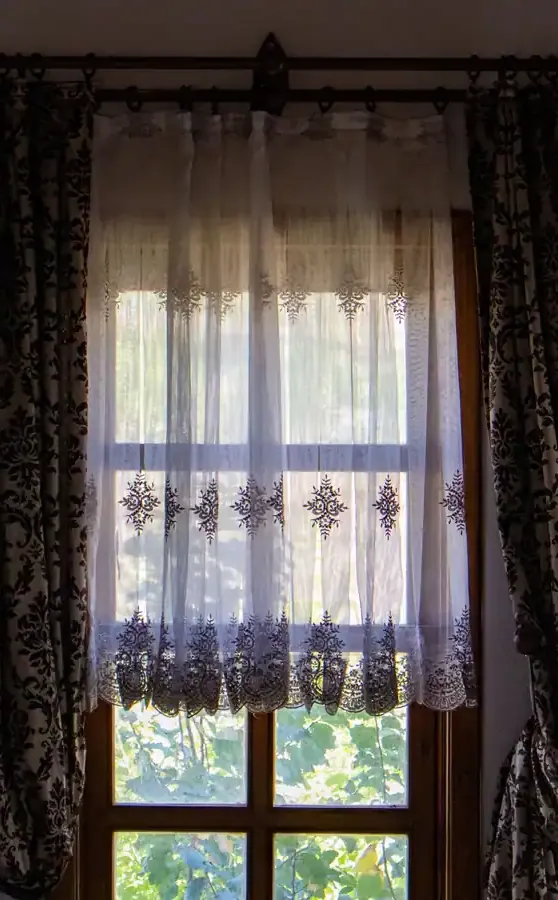
Al Rawdah mixes retail shopfronts, restaurants and hotels with apartment blocks and upmarket villas spread across Tahlia Street and Prince Sultan Road. Curtains here serve different purposes in different settings, and each one collects a different load of dust and grease from the street traffic, the shops below and the kitchens nearby.
Shop and office curtains in this district soil noticeably faster than those in purely residential quarters because doors open and close throughout the day and air circulates freely. For the method itself, see our guide to curtain cleaning.
A curtain in Al Rawdah may hang over a busy shopfront window, or in a closed office, or in a flat above the shop, or in a villa with its own garden. Each setting means different air flow, different dust type and size, and different handling for removal and rehang.
From simple lightweight curtains in a flat to large heavy blackout panels in a government office, from sheer to opaque. No single method works everywhere. Large commercial windows demand special care and different tools from standard domestic rails.
Restaurants and food preparation businesses around Al Rawdah leave heavy cooking odours on nearby curtains and on those in flats above. Removing this requires different handling from ordinary street dust and grit.
Al Rawdah is a central commercial hub on Madinah Road with Jamjoom Centre, specialist hospitals, banks and active restaurants, so the air carries vehicle exhaust, cooking odours and fine street grit constantly.
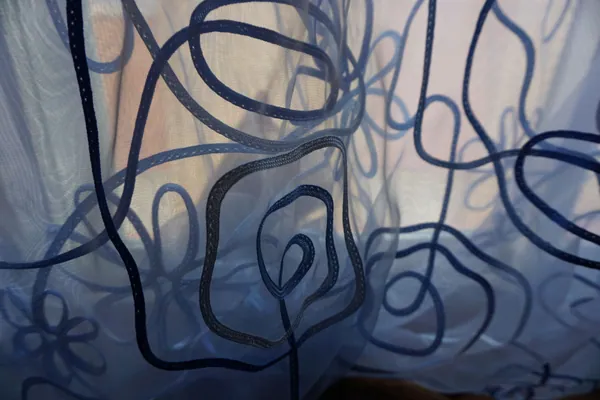
Large commercial and office curtains may be heavy industrial weave, whilst residential ones are often lighter and more delicate. Each demands a different removal approach from the rail.
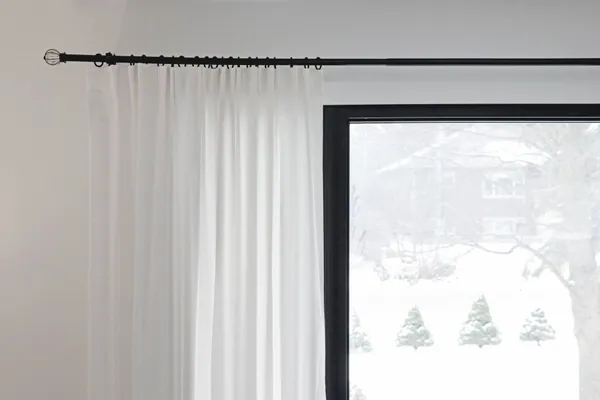
Long office and shop curtains need the full team for safe removal, and wide shop windows must be rehanged with precision so the track does not strain.
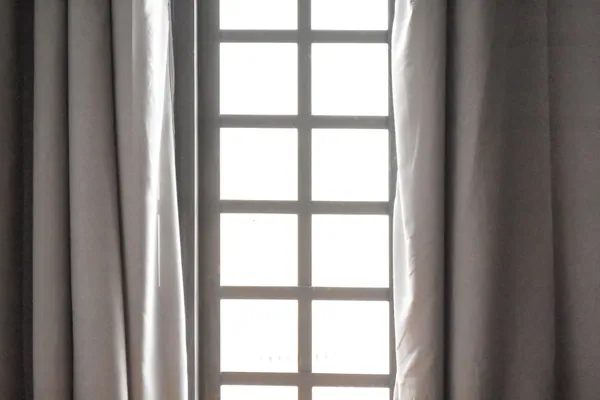
Dust here is mixed with restaurant fumes and shop air pollution, so dry vacuum comes before any water touches the fabric.
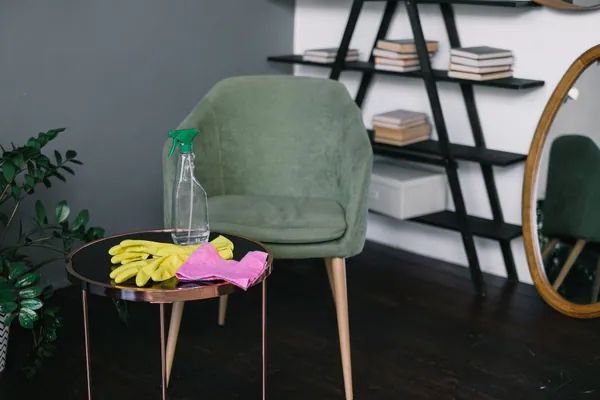
Grease and cooking oil stains on shop curtains need separate treatment from ordinary street dust on residential fabric.
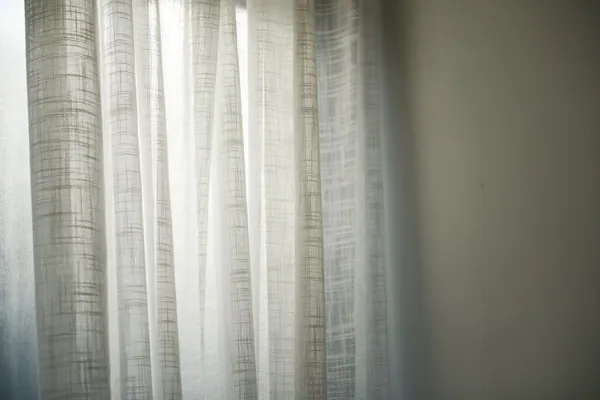
Heavy industrial fabrics in offices resist water and cleaning products far better than delicate natural weaves in flats.
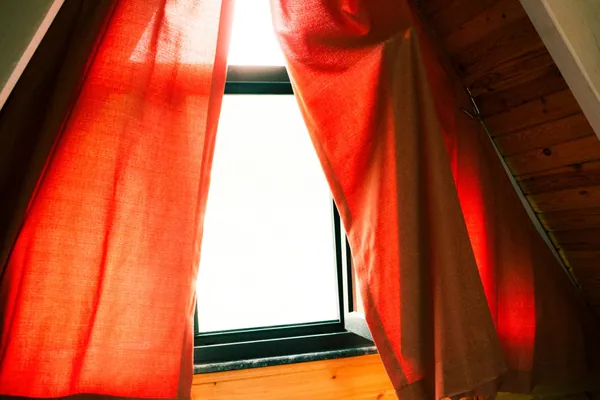
Very long and heavy commercial curtains need the team to lift and rehang safely, and metal rails must be checked for damage or strain before rehang.
Cotton, linen, velvet, blackout weave and synthetic sheers do not take the same heat or the same solution.
Before any water.
A water spot at the hem is not treated like a greasy film near a kitchen.
We loosen what has bonded inside the fibres across the full panel, both faces and top to hem, with the method that suits the fabric, while the curtains stay on the rail so the drape is not disturbed.
The loosened dirt and water are pulled back out in the same pass.
We go over the panels with you before the team leaves.
Testing the solution on a hidden fold is a step we treat as necessary, not optional.
We send a team, not a single worker.
The cleaning and extraction machines come with the team.
If a panel needs a tailor rather than a clean, we say so.
Photographs from real jobs carried out by the crew.












The commitment is simple enough to actually keep: we do not leave before you have seen the result and told us what you think of it.
Mixed district: shops at street level with homes above them
In a mixed district, curtains work in completely different environments: a shopfront window facing the street all day, a closed office, a flat in a building stack, a villa with a garden perimeter.
We provide these in Al Rawdah too, and more than one can share a single visit.



