
We test before we clean
Testing the solution on a hidden fold is a step we treat as necessary, not optional.
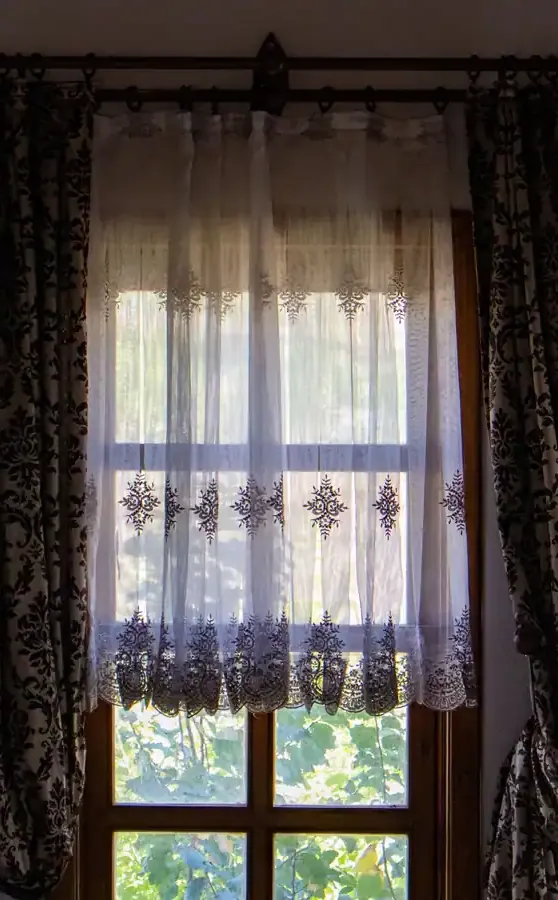
Al Muruj is a new district in north Jeddah within Obhur Al Shamaliyah, with recently built homes surrounded by vacant land and ongoing construction. Curtains here collect not only natural dust but also construction sand, cement dust and plaster from the building work. The soil is bare and open, so wind carries coarser dust than settled, planted districts elsewhere.
The bare land surrounding new homes releases dust that is paler and coarser in particle size than the fine black dust found on Jeddah's coastal quarters. For the method itself, see what curtain cleaning involves.
New curtains in Al Muruj collect construction sand, gypsum and fine cement before the building work is complete. This grit is sharp and requires extremely careful dry vacuuming to avoid scratching new, delicate fabric.
Land surrounding new houses is not yet paved or planted, so air carries more particles and finer sediment than established districts. Wind enters windows more forcefully across open ground and carries dust deeper into curtain weave.
Curtains in new villas are typically lighter weight and have protective coatings that strong washing can damage. We test every new fabric before cleaning to ensure the method will not harm the treatment or the dyes.
A district within the new urban extension of north Jeddah, flat open ground served by main roads linking to the Jeddah Madinah Road and King Abdulaziz Road, with plots still under development.
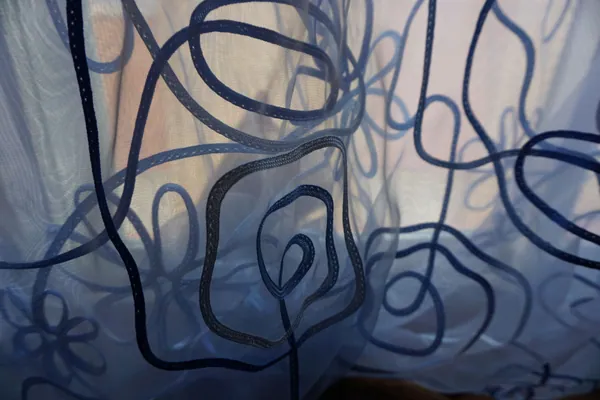
New curtains carry construction sand, gypsum and fine cement, and require long careful dry vacuuming before any water to avoid scratching the delicate new fabric.
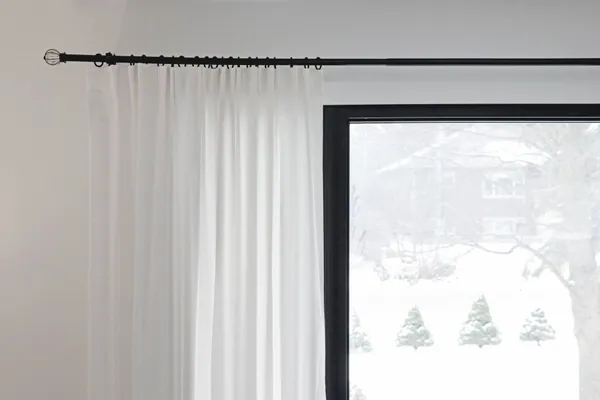
Removing curtains from new villas is easier than from older homes because fixings are modern and robust, though we protect new walls from any accidental damage during removal.
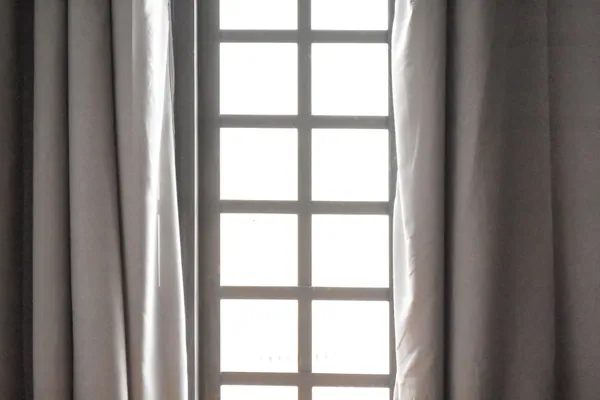
Dry vacuuming in Al Muruj takes longer than elsewhere because construction grit is sharp and abundant, and we use specialised suction equipment that does not damage the fibres.
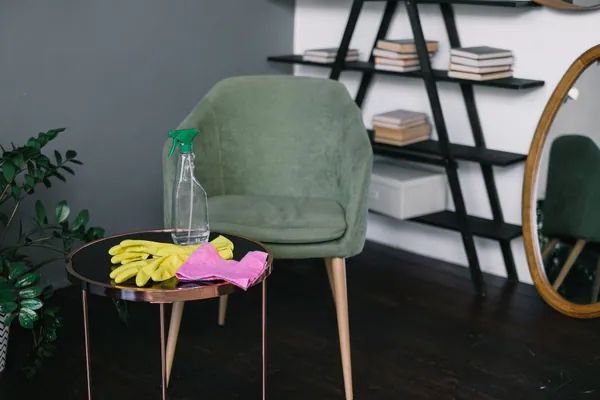
Stains are rare on new curtains, but if found we clean them with gentle products because new fabrics can fade or discolour if strong chemicals are used.
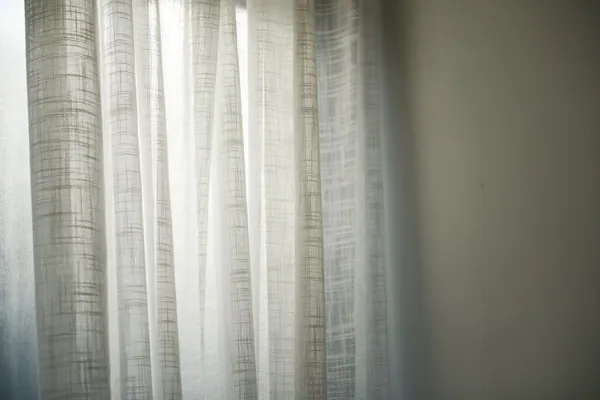
Cleaning method is set by fabric type, so a new delicate curtain cannot tolerate the same intensity as an established older curtain, so we test the fabric first in an inconspicuous corner.
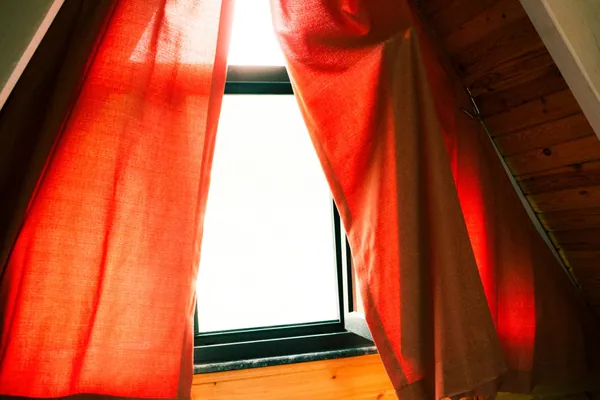
Drying requires gentle air circulation and natural ventilation rather than heat, because new fabrics can shrink or distort if exposed to high temperatures.
Cotton, linen, velvet, blackout weave and synthetic sheers do not take the same heat or the same solution.
Before any water.
A water spot at the hem is not treated like a greasy film near a kitchen.
We loosen what has bonded inside the fibres across the full panel, both faces and top to hem, with the method that suits the fabric, while the curtains stay on the rail so the drape is not disturbed.
The loosened dirt and water are pulled back out in the same pass.
We go over the panels with you before the team leaves.
Testing the solution on a hidden fold is a step we treat as necessary, not optional.
We send a team, not a single worker.
The cleaning and extraction machines come with the team.
If a panel needs a tailor rather than a clean, we say so.
Photographs from real jobs carried out by the crew.












The commitment is simple enough to actually keep: we do not leave before you have seen the result and told us what you think of it.
New development: ongoing construction and vacant plots between the homes
A new development district means building and bare land surround every home, so curtains accumulate construction dust and coarse grit far faster than in completed neighbourhoods. The new fabrics themselves are delicate and sensitive to damage, and a cleaning error can harm a substantial investment instantly.
We provide these in Al Muruj too, and more than one can share a single visit.



