
We test before we clean
Testing the solution on a hidden fold is a step we treat as necessary, not optional.
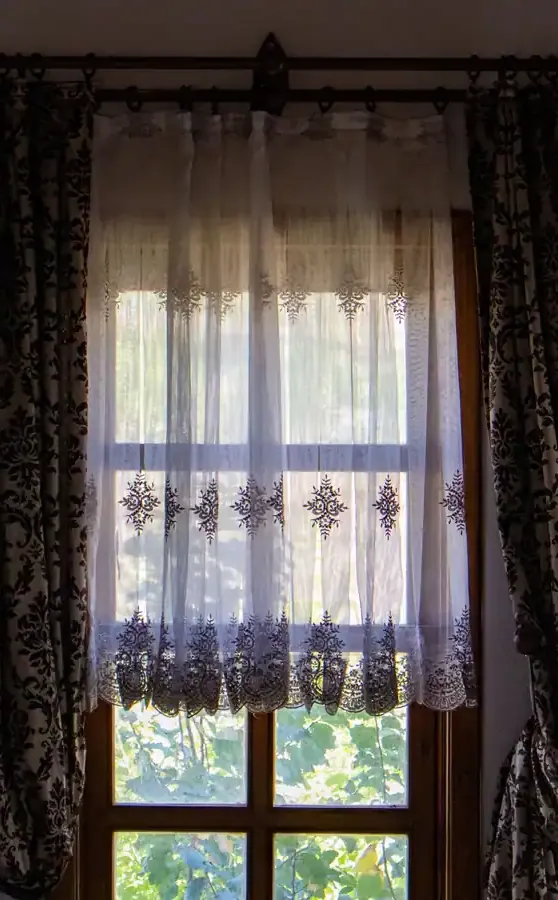
Central Jeddah's Al Kandarah lies on two major roads carrying constant traffic: heavy vehicles release fine black exhaust particles that settle into every pleat and thread. Below, street-level kitchens release cooking fumes that rise and mix with the soot. Curtains here carry a double load of grit and grease combined, darker and stickier than anywhere else in the city. The work is heavier because the air itself is different.
Fine black traffic dust here is not light sand; it settles with real weight and collects noticeably at curtain hems and folds, accumulating faster than pale dust in outlying areas. For the method itself, see how we approach curtain cleaning.
King Fahd Road and King Khalid Road carry heavy continuous traffic releasing soot fine enough to penetrate lightweight weaves. These particles mix with cooking grease, forming a sticky, hard-packed layer instead of loose dry dust. Standard vacuum cannot fully lift compacted soot mixed with oil residue.
Most ground floor shops are restaurants or cafes releasing constant cooking vapours directly upward into the apartments above. Grease mixes with black soot and creates a thick, tacky coating on curtains rather than simple dust settlement. This compound soiling requires sequential treatment, not a single wash.
Early-construction buildings in Al Kandarah have narrow windows designed when the area was residential, and their thick curtains are there to block noise and heat. Dense fabrics hold dirt deeper and dry far more slowly than lightweight modern curtains, making them the hardest to clean and reset.
A commercial central district on King Fahd Road and Old Makkah Road, home to older apartment buildings, hotels and dense shops, including Jeddah National Hospital, neighbouring East Baghdadiyah, Al Sabil and other busy quarters.
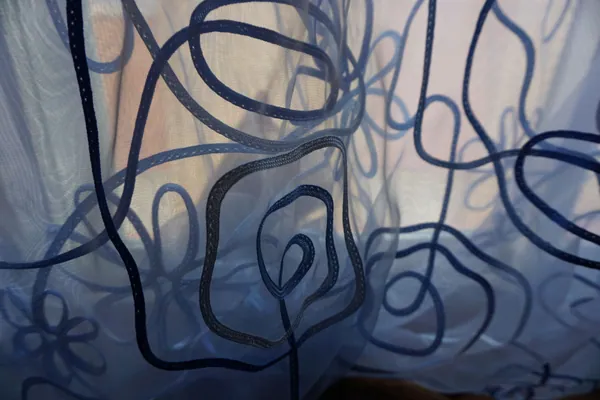
Al Kandarah fabrics range from heavy traditional weaves in heritage homes to modern commercial textiles in hotels, and hanging systems vary between old-style rods in traditional buildings and contemporary rails in business premises.
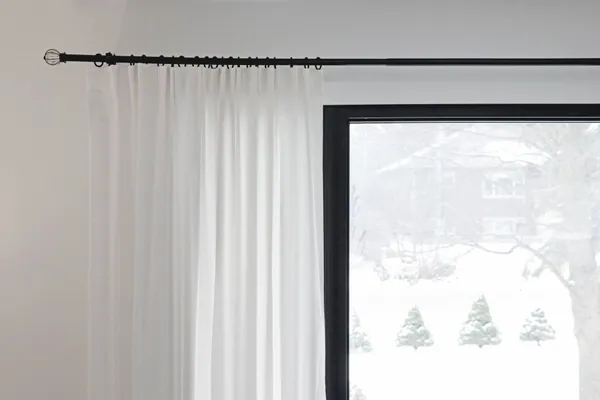
Removing curtains from older buildings demands care because fixings may be rusted or weakened, and the fabric itself may be fragile from years of soot and grease exposure and accumulated wear.
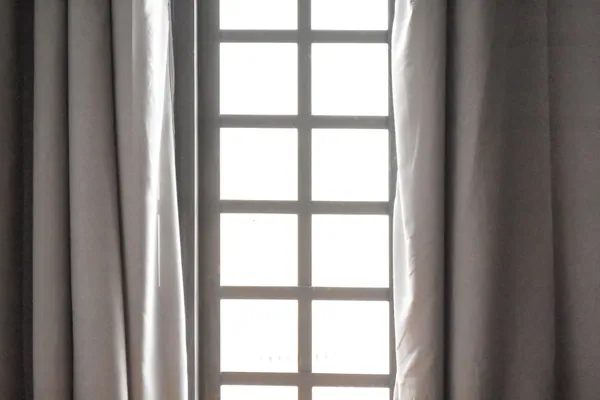
Dry vacuum applies concentrated power because compacted black dust and baked cooking residue will not lift with gentle suction; the challenge is applying force without damaging ageing fabrics.
Sticky grease stains that coat the weave require slow soak and gentle agitation, not rapid wash cycles, because deep-set cooking oils need chemical action time to dissolve and lift free.
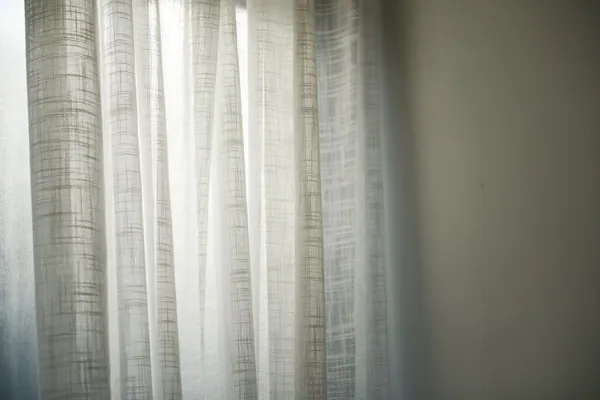
Cleaning methods split by soiling type: black soot in upper flats versus thick grease in commercial spaces below, so we assess each curtain's specific contamination before choosing the process.
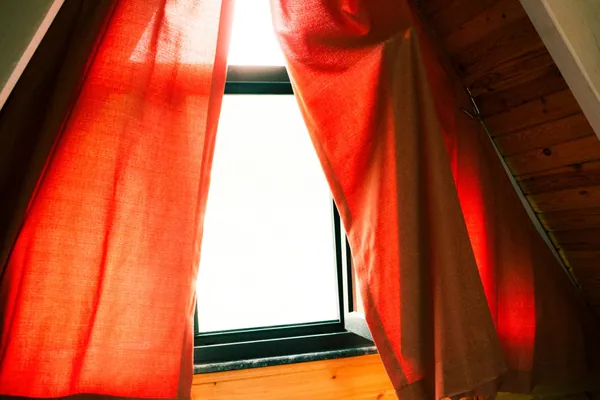
Drying uses shaded drying racks or roof areas away from street-level air, because returning damp curtains to a soot-filled atmosphere will redeposit exhaust particles and undo the cleaning work.
Cotton, linen, velvet, blackout weave and synthetic sheers do not take the same heat or the same solution.
Before any water.
A water spot at the hem is not treated like a greasy film near a kitchen.
We loosen what has bonded inside the fibres across the full panel, both faces and top to hem, with the method that suits the fabric, while the curtains stay on the rail so the drape is not disturbed.
The loosened dirt and water are pulled back out in the same pass.
We go over the panels with you before the team leaves.
Al Kandarah sits with Old Makkah Road to the south and King Khalid Road to the west, where work reaches upper-floor flats via the internal passages of older apartment blocks and street-level shops directly from the main roads themselves.
Testing the solution on a hidden fold is a step we treat as necessary, not optional.
We send a team, not a single worker.
The cleaning and extraction machines come with the team.
If a panel needs a tailor rather than a clean, we say so.
Photographs from real jobs carried out by the crew.












The commitment is simple enough to actually keep: we do not leave before you have seen the result and told us what you think of it.
Central Jeddah is the old heart of the city: Al Balad with its coral stone houses, and the dense apartment quarters around it with shops beneath the flats. Floors here are often terrazzo or older ceramic tile, worn smooth and easily stained by cooking grease that drifts up from the street. Older kitchens and bathrooms carry heavy scale on taps and around drains, and pipework in the older blocks leaves rust marks in basins. Rugs and curtains take on the fine black dust of the main roads, so they need washing more often than elsewhere.
We provide these in Al Kandarah too, and more than one can share a single visit.



