
We test before we clean
Testing the solution on a hidden fold is a step we treat as necessary, not optional.
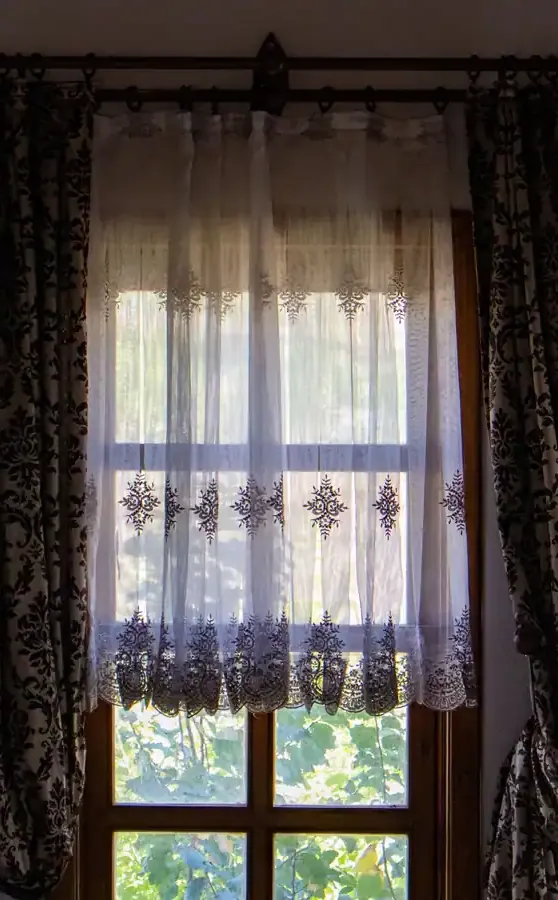
Balbeid is a newly developing district in north Jeddah within Obhur Al Shamaliyah, where building continues and streets are still unfinished, with vacant plots scattered between occupied homes. Curtains in new houses here face fine construction dust from foundations and building sites, moisture rising from poor drainage and wet ground, and a faint salt film from sea air that drifts inland on humid days.
Moisture from standing rainwater rises from the ground and settles on ground floor windows and under curtain hems as a persistent damp film that does not evaporate on hot days because the air is saturated. For the method itself, see our guide to curtain cleaning.
Building continues around the district with open excavations, foundations and new frames being built. Construction dust is very fine and enters homes through every gap, settling on new white curtains and turning them grey over weeks. This dust is so light it does not fall from ordinary vacuuming and floats in the air instead.
Internal streets have inadequate rainwater drainage, so water sits in the soil raising humidity. Windows open onto undried vacant land, so moisture enters the house and curtains hang heavy with damp, carrying a smell that seems trapped inside the weave instead of floating out.
Air from the creek and coast carries faint salt that deposits with moisture on new curtains. Salt pulls additional moisture from humid air, so the curtain stays damp even on dry days, locked by the salt residue that holds water.
Balbeid is a residential subdivision within Obhur Al Shamaliyah in north Jeddah with basic services in place, though residents have reported deteriorating asphalt and poor rainwater drainage on internal streets that slows water runoff.
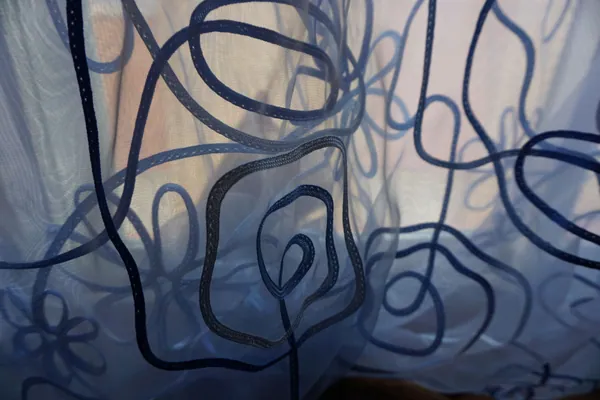
New fabrics in modern homes are usually strong cotton or modern blend, but construction dust makes them appear grey in the first week, though this is surface dust not fibre damage.
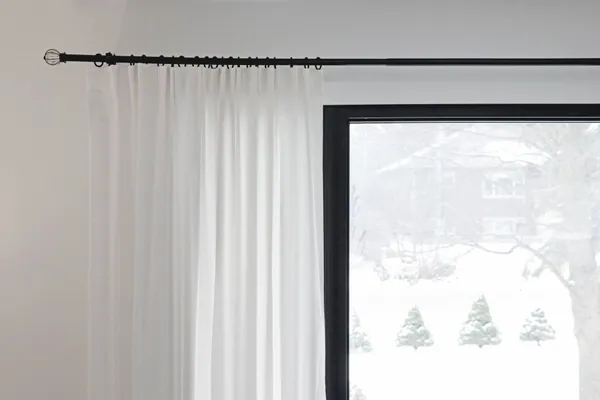
Rods and fittings are brand new and strong, but moisture can begin corrosion if not dried quickly after cleaning or humidity stays high in the home from poor drainage.
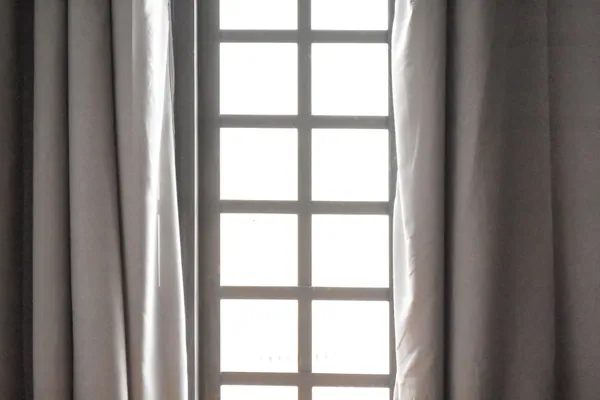
Strong vacuum removes most construction dust, but fine airborne particles trapped in weave need very gentle water rinse, not harsh treatment, to avoid pushing dust deeper into fibres.
Dampness and salt stains are treated with gentle rinsing using deionised water, not harsh chemicals, because the new fabric has not been stressed yet and will not tolerate aggressive products.
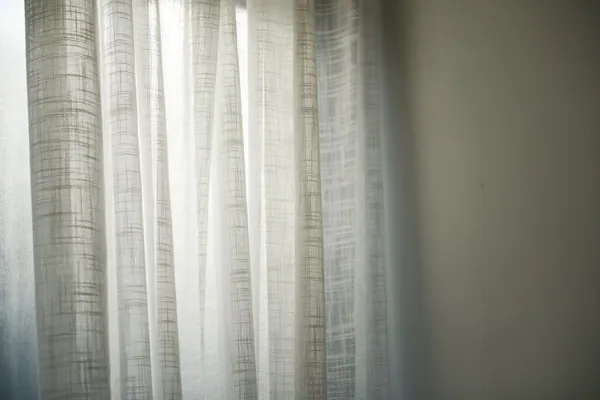
Washing is done with warm water and repeated rinsing to clear salt, with special attention to drying afterward because moisture lingering in the weave will breed mildew quickly in humid conditions.
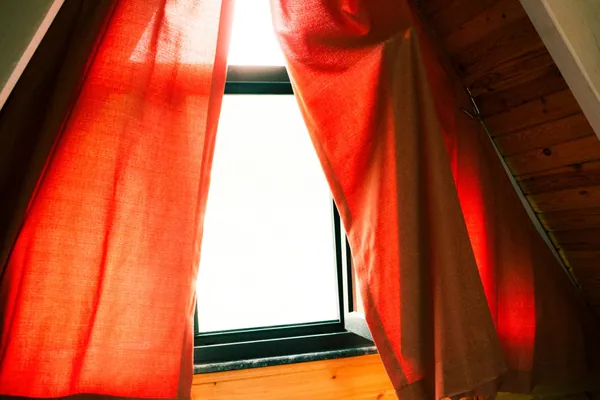
Rehang while still slightly damp but with air circulating on all sides, not in a closed room where moisture has nowhere to go and settles back into the fabric overnight.
Cotton, linen, velvet, blackout weave and synthetic sheers do not take the same heat or the same solution.
Before any water.
A water spot at the hem is not treated like a greasy film near a kitchen.
We loosen what has bonded inside the fibres across the full panel, both faces and top to hem, with the method that suits the fabric, while the curtains stay on the rail so the drape is not disturbed.
The loosened dirt and water are pulled back out in the same pass.
We go over the panels with you before the team leaves.
New development: ongoing construction and vacant plots between the homes
In a newly developing area, new curtains face a double assault: fine construction dust enters constantly without stopping, and moisture from poor drainage locks that dust in place.
Testing the solution on a hidden fold is a step we treat as necessary, not optional.
We send a team, not a single worker.
The cleaning and extraction machines come with the team.
If a panel needs a tailor rather than a clean, we say so.
Photographs from real jobs carried out by the crew.












The commitment is simple enough to actually keep: we do not leave before you have seen the result and told us what you think of it.
North Jeddah is largely newer villa districts and compounds around Obhur and inland from it. Homes here tend to have marble or porcelain floors, large windows and a garden or courtyard, so the routine is set by what comes in from outside: fine sand carried on sandals, and sprinkler spray that dries to a chalky ring on tiles. Near the creek and the coast, sea air leaves a faint salt film on glass and on outdoor cushions, which stiffens fabric. Curtains and upholstery in these open plan rooms catch the dust that settles overnight.
We provide these in Balbeid too, and more than one can share a single visit.



