
We test before we clean
Testing the solution on a hidden fold is a step we treat as necessary, not optional.
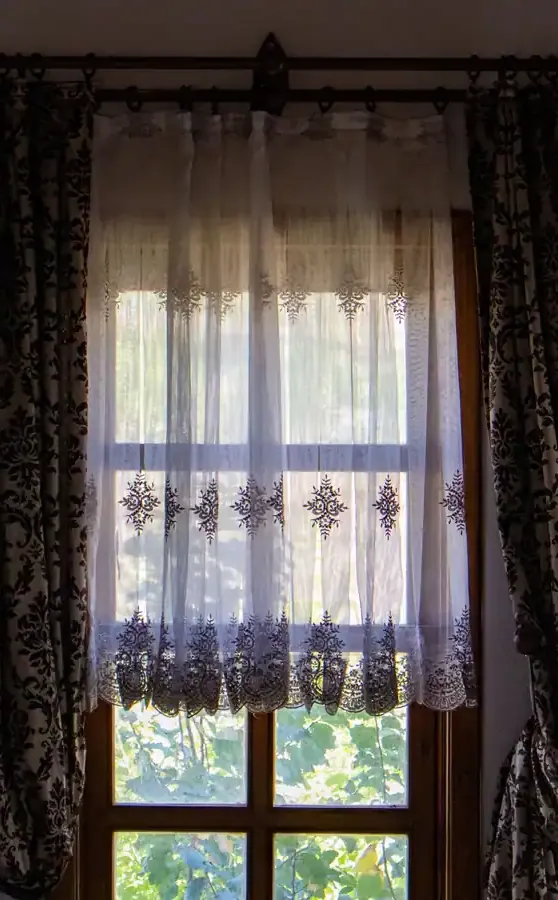
Al Hafnah is a small residential district in east Jeddah, with shops at street level and flats above them, nestled among hills and open valleys. Curtains here collect dust from modern roads and steady commercial activity, but the district sits far enough inland that humidity is lighter and the dust is finer and drier than on the coast.
Districts nestled between hills and valleys lift fine dust from open ground, and air circulation patterns differ from flat districts, so curtains soil in a different way and rhythm. For the method itself, see how we approach curtain cleaning.
Al Hafnah sits surrounded by Mareekh Mountains and Wadi Al Qaws from several directions, and open valleys release fine dust and dry earth. Air flowing between the hills carries dust to flats and homes in ways quite different from flat districts.
The district has commercial premises and flats above them, but traffic and activity levels are much lower than in larger districts. Shop and road dust does enter, but the load is lighter, and curtains need balanced cleaning between commercial and purely residential needs.
Residential roads are relatively new and streets are orderly, so dust from modern sealed asphalt differs from old districts. But proximity to hills and valleys means natural and dry earth dust may generate more particulates than sealed-road dust alone.
A small residential district in east Jeddah within the hills and valley belt, close to Mareekh Mountains and Wadi Al Qaws, with relatively new residential streets and narrow lanes hemmed by hillsides, and air that carries fine dust from open valley floors and slopes.
Al Hafnah sits between hills and an open valley, so we examine curtains carefully to identify dust and earth type and choose products suited to natural earth dust rather than industrial pollutants.
Transport from a flat above a shop in a small district permits easy movement, and curtains are carried carefully through narrow passages.
Humidity is lighter than in coastal districts, so we focus on removing fine dust thoroughly before any washing.
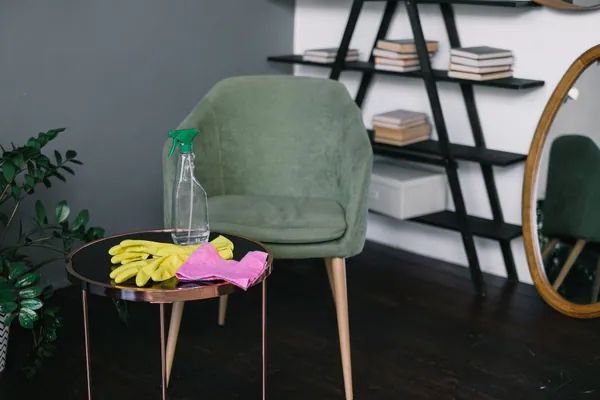
Marks and dust from hills and valleys need special treatment to lift fine particles bedded deep in the weave.
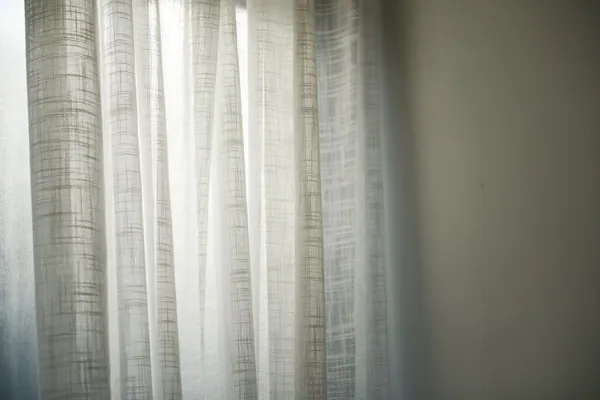
Cleaning method depends on flat position and distance from valley and hill, so a flat facing the open valley may need different handling than one set back.
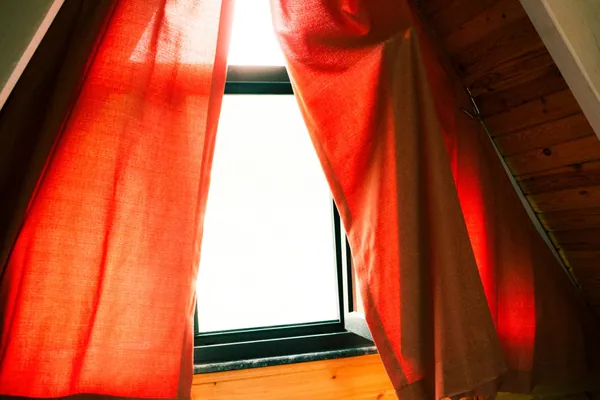
Drying benefits from strong airflow between hills, so we spread curtains in an open spot and wait for complete drying before rehanging.
Cotton, linen, velvet, blackout weave and synthetic sheers do not take the same heat or the same solution.
Before any water.
A water spot at the hem is not treated like a greasy film near a kitchen.
We loosen what has bonded inside the fibres across the full panel, both faces and top to hem, with the method that suits the fabric, while the curtains stay on the rail so the drape is not disturbed.
The loosened dirt and water are pulled back out in the same pass.
We go over the panels with you before the team leaves.
Testing the solution on a hidden fold is a step we treat as necessary, not optional.
We send a team, not a single worker.
The cleaning and extraction machines come with the team.
If a panel needs a tailor rather than a clean, we say so.
Photographs from real jobs carried out by the crew.












The commitment is simple enough to actually keep: we do not leave before you have seen the result and told us what you think of it.
Flats in Al Hafnah lie between Mareekh Mountains and Wadi Al Qaws, and depending on proximity to either landmark we approach via the most direct route and closest parking to the building.
We provide these in Al Hafnah too, and more than one can share a single visit.



