
We test before we degrease
Testing the solution on a hidden spot is a step we treat as necessary, not optional.
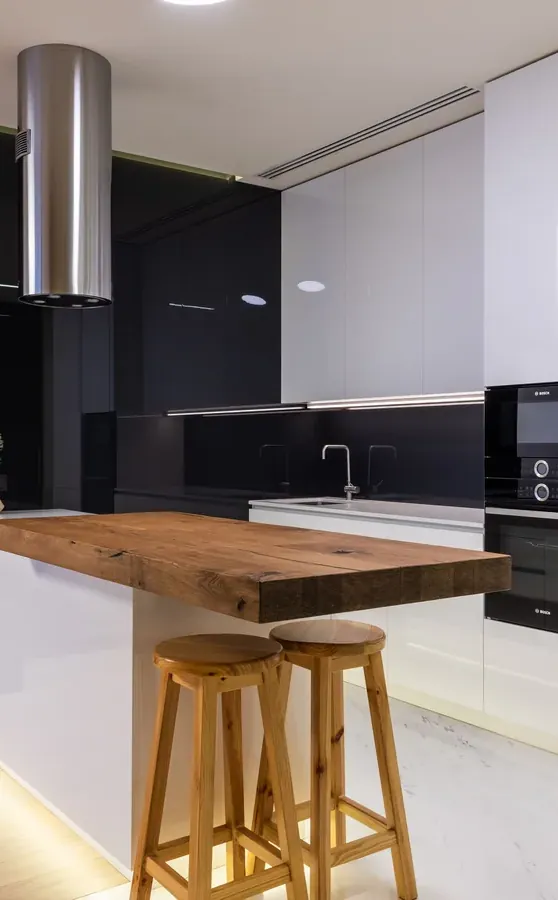
Dhahban East is an old village spread across open ground on the northern coast, and kitchens here face constant salt spray and humidity from the sea nearby, mixed with dust from the surrounding roads. Deep cleaning a kitchen here means tackling grease that has absorbed sea salt and moisture, creating a harder film that does not respond to everyday wiping.
Sea salt deposits accumulate on the extractor hood and windows beside the kitchen, leaving a white crust that bonds with cooking grease and resists ordinary washing entirely. For the method itself, see our guide to kitchen cleaning.
Grease in a coastal kitchen does not clean the same way as grease inland, because sea spray mixes into it and hardens the film. The high humidity keeps the grease moist and sticky for longer, making it set harder over time. The combination of salt, moisture and grease requires a different removal strategy.
Homes in Dhahban East are spread across farmland and open terrain reached by unpaved roads. Dust and fine sand enter the kitchen far more easily than in compact urban districts, and once mixed with cooking grease, they scratch surfaces during cleaning if not swept away first.
The nearby resort brings heavy vehicle movement through the main road, stirring up dust and fine particles constantly. Kitchens close to the highway accumulate both road dust and cooking grease in a single film on every surface.
The village sits twenty kilometres north of Jeddah on the western coast, where coastal humidity stays high year-round and penetrates every kitchen surface from cabinet doors to the stovetop and walls.
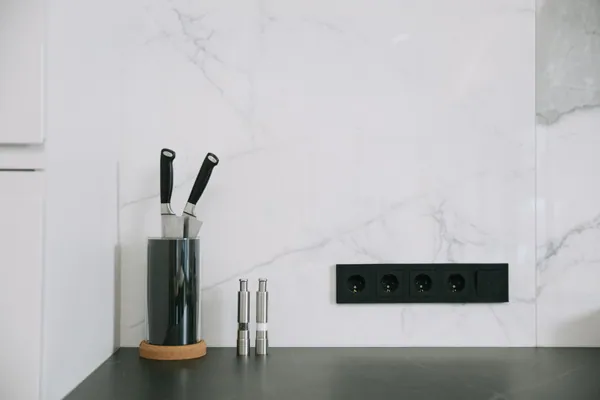
Wooden cabinet doors in rural homes sit in constant humidity and salt, making grease stickier on the fronts and slower to lift off completely.
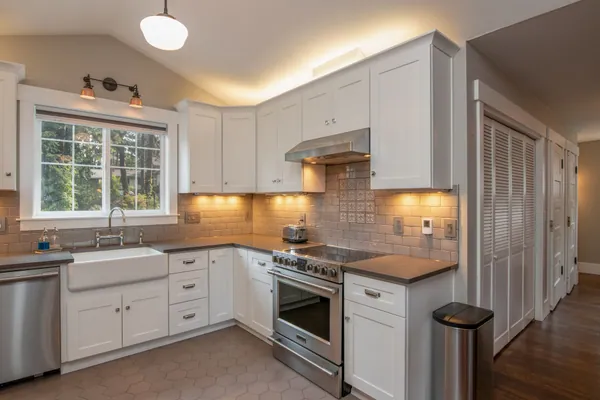
The extractor hood works harder here to remove moisture and salt spray as well as cooking vapour, so the filter and housing need thorough degreasing more often.
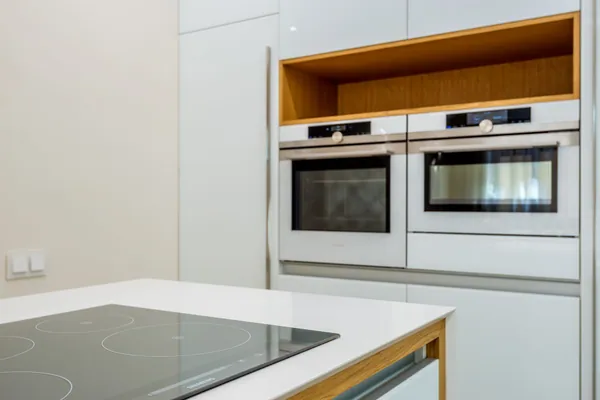
The hob and oven bear grease mixed with moisture that sets harder than ordinary cooking residue, requiring longer working time and stronger degreasing action.
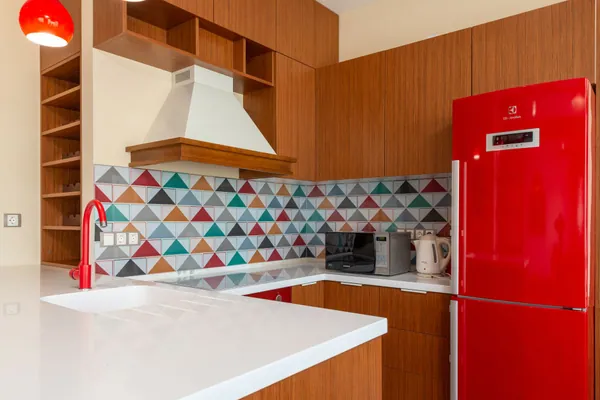
Tiles behind the hob may show white salt crust bonded with grease, needing specialist treatment to remove both minerals and oil without etching the surface.
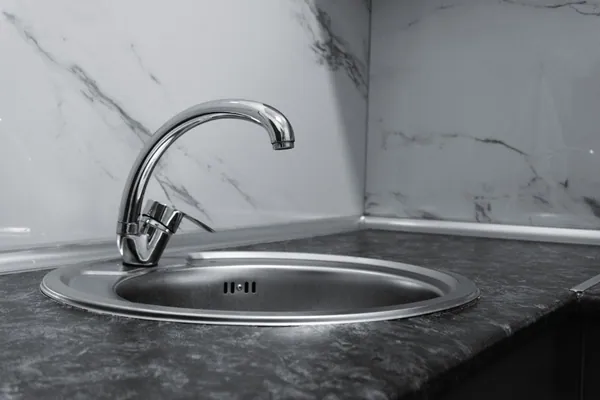
The sink and mixer tap face constant exposure to salty water and coastal spray, so grease mixes with salt deposits and demands separate attention.
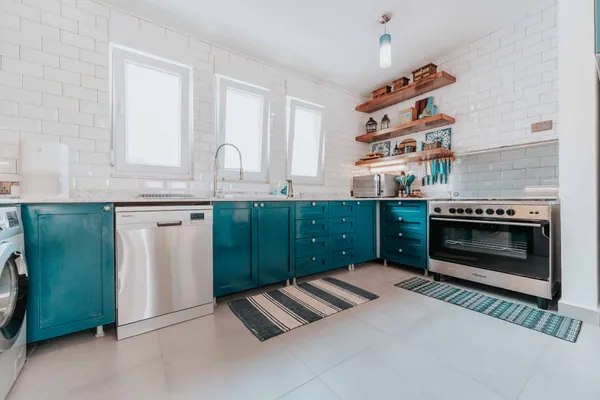
Sand and fine soil from the open ground enters the kitchen floor constantly, so deep cleaning begins with thorough sweeping before any chemical treatment to avoid scratching.
Painted cabinets, laminate, natural stone and stainless steel do not take the same degreaser.
We start high, the tops of cabinets and the hood, and work down to the floor.
The degreaser is put on the heavy areas and given time to break the oil down before it is wiped.
The metal filter carries the worst of the grease and is soaked and worked on its own, not just wiped in place, because a clogged filter puts the oil straight back into the air.
The burners, the tiled splash and the grout lines take focused work, since the grout darkens first and a flat wipe passes over it.
We go over the kitchen with you before the team leaves.
Testing the solution on a hidden spot is a step we treat as necessary, not optional.
We send a team, not a single worker.
The degreasers and tools come with the team.
If what the kitchen needs is a repair or pest treatment rather than a clean, we say so.
Photographs from real jobs carried out by the crew.












The commitment is simple enough to actually keep: we do not leave before you have seen the result and told us what you think of it.
Durrat Al Arus Resort and Dhahban Park mark the area's location on the northern coast. The team reaches the village via King Abdulaziz Road and understands the coastal conditions that shape the deep cleaning needs here, from salt spray to humidity to dust from the surrounding landscape.
We provide these in Dhahban East too, and more than one can share a single visit.



