
We test before we degrease
Testing the solution on a hidden spot is a step we treat as necessary, not optional.
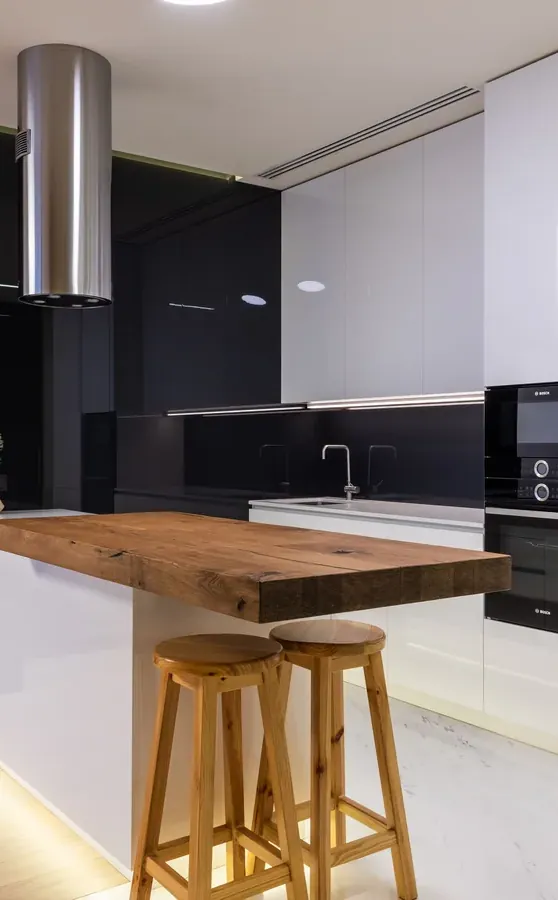
Al Asaliyah is a small locality in the outer south east corner of Jeddah, a lightly industrialised area with mixed commercial and residential use. It sits close to heavy goods routes from the port and industrial city, so the air carries diesel soot, iron particles and workshop grease from trucks and repair shops. Kitchen grease here is black and much stickier than clean cooking oil, and old floors darken from soot that is walked in daily.
Grease in Al Asaliyah turns black because it mixes with diesel soot from heavy transport routes. Floors blacken quickly, windows and curtains hold dark residue, and daily wiping does not remove the soot layer underneath. For the method itself, see the full kitchen cleaning page.
Al Asaliyah sits on heavy transport routes from the port and industrial city, and trucks emit black soot and iron dust and workshop grease that enters the kitchen on the air. This soot mixes with grease to form a black, hard deposit that sticks much stronger than pure cooking oil. Daily wiping cannot remove it, and deep cleaning needs a special first step to clear soot before it can dissolve.
Floors in older homes are plain cement or aged ceramic tile, and soot accumulating from the street blackens the surface where it is walked on. This staining may be mixed with oil and grease from the road, and standard scrubbing cannot remove it. It may need chemical treatment or gentle grinding with fine sanding stone.
Air thick with diesel soot leaves black marks on windows, net curtains, light walls and soft furnishings. This residue is difficult to remove and may need cleaning separate from the kitchen itself. Curtains may need replacement if soot has penetrated deep into the fibres.
A small locality in the outer south eastern zone of Jeddah near heavy goods roads and light industrial activity, with commercial premises at street level and homes above.
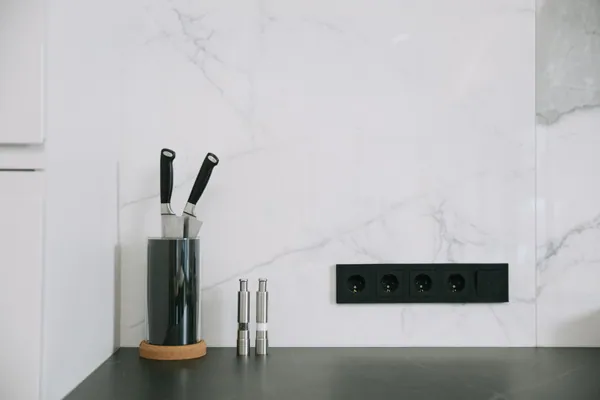
Cabinets carry a black soot layer under the grease, so we clean soot first before removing the oily deposit. White cabinets may need polishing after we finish to restore the shine.
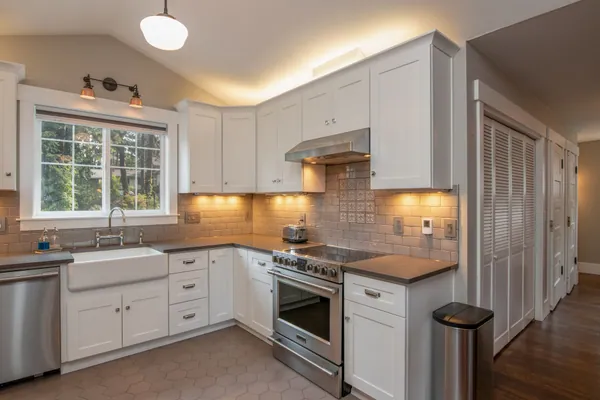
Extractor hood is usually clogged with heavy diesel soot and needs intensive cleaning or filter replacement. Ducting may carry soot buildup that needs chemical treatment to dissolve.
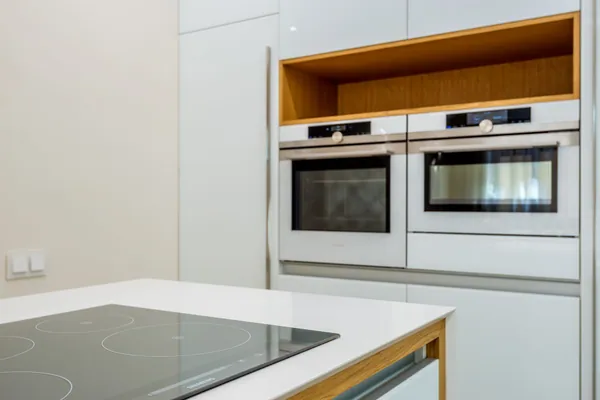
Stovetop and splashback are black from years of soot accumulation, and grout joints are completely darkened. We use strong scrubbing and may use fine sanding stone for hardened soot.
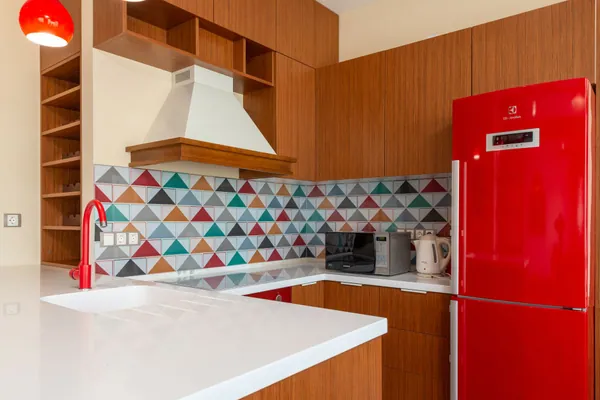
Tiles behind the hob may hold soot baked into the grout joints, requiring strong chemical treatment and small-brush work to break it up.
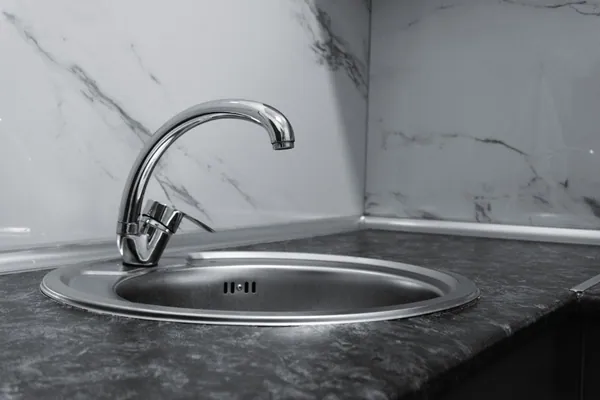
Sink and tap fixtures may have black oil and soot residue. We clean with strong product and recommend polishing stainless steel after finishing.
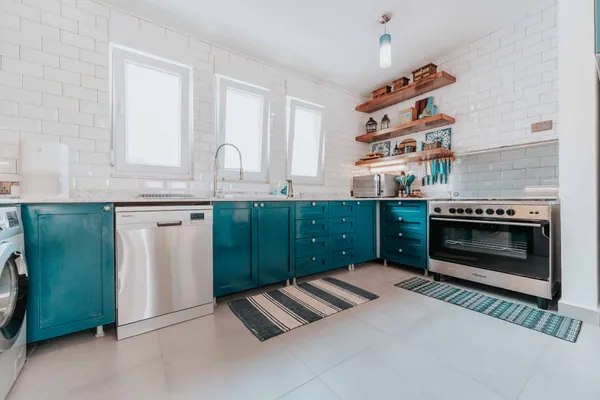
Floor is old tile or cement blackened by soot walked in over years. We use hard scrubbing and may use fine sanding stone carefully, and verify all soot marks are gone.
Painted cabinets, laminate, natural stone and stainless steel do not take the same degreaser.
We start high, the tops of cabinets and the hood, and work down to the floor.
The degreaser is put on the heavy areas and given time to break the oil down before it is wiped.
The metal filter carries the worst of the grease and is soaked and worked on its own, not just wiped in place, because a clogged filter puts the oil straight back into the air.
The burners, the tiled splash and the grout lines take focused work, since the grout darkens first and a flat wipe passes over it.
We go over the kitchen with you before the team leaves.
The area lies close to the Jeddah Makkah Expressway and Al Jumum Road, and our work plan begins by understanding how close your home is to the main heavy transport routes, so we focus on windows, curtains and ventilation based on wind direction from the road.
Testing the solution on a hidden spot is a step we treat as necessary, not optional.
We send a team, not a single worker.
The degreasers and tools come with the team.
If what the kitchen needs is a repair or pest treatment rather than a clean, we say so.
Photographs from real jobs carried out by the crew.












The commitment is simple enough to actually keep: we do not leave before you have seen the result and told us what you think of it.
South Jeddah runs from the port and the industrial city down towards Al Khumrah, and homes here sit between the sea and the heavy goods roads. The dust is darker and oilier than in the north, a mix of diesel soot and workshop grit, and it clings to net curtains, window sills and the tops of kitchen cupboards. Floors in the older low rise housing are often plain cement or ceramic tile that darkens where soot is walked in. Humidity from the coast adds mildew in bathrooms and a musty smell in stored fabrics.
We provide these in Al Asaliyah too, and more than one can share a single visit.



