
We test before we degrease
Testing the solution on a hidden spot is a step we treat as necessary, not optional.
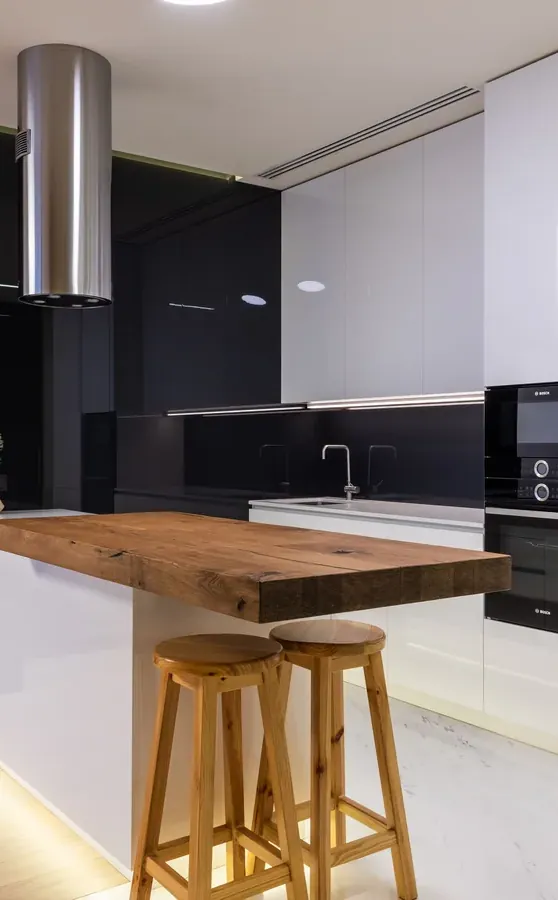
Wadi Qaws is a rural area set among open ground and low hills, with scattered homes and resthouses rather than dense blocks of flats. Kitchens here are less exposed to urban dust and industrial soot than those in the city districts. The drawback is that the water from wells, roof tanks and old pipework carries mineral deposits from the mountain soil, leaving white rings on surfaces and the sink. Deep cleaning addresses pure cooking grease, but must also tackle mineral deposits that mineral remover products can shift.
Water from wells and roof tanks leaves white mineral deposits and rings on kitchen surfaces and the sink, natural minerals from the rocky soil that ordinary rinsing cannot clear. For the method itself, see the full kitchen cleaning page.
The area sits near Jabal Khashash, and water comes from wells, roof tanks or old pipework. Water from these sources is rich in natural minerals, calcium, magnesium and iron from the mountain soil. These deposits form white rings on kitchen counters, the sink and taps. Plain water does not dissolve them. Deep cleaning requires a mineral remover that breaks down the deposits chemically.
Unlike dense urban districts, Wadi Qaws is surrounded by open ground with no heavy traffic routes nearby. Airborne dust is lighter and far less concentrated. Cooking grease here is cleaner than grease mixed with diesel soot and industrial grit. Deep cleaning is simpler because the main contaminant is cooking oil alone, with fewer airborne particles to deal with.
The valley carries water seasonally, and moisture seeps into homes built at lower levels. Corners and grout lines trap moisture and black mould. Deep cleaning removes grease and mould stains, but thorough drying is essential to prevent mould returning quickly once humidity rises again.
The historical Wadi Qaws valley sits beneath Jabal Khashash, has a dam to protect eastern neighbourhoods from flooding, and contains resthouses and open plots with lower building density than city zones.
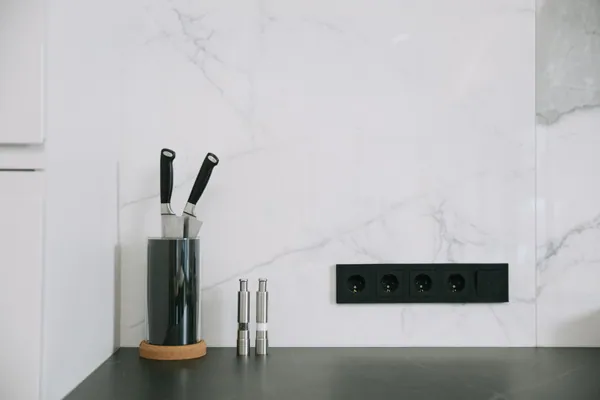
Cabinet fronts are relatively clean because the air carries less dust than urban areas, but faint white rings from water deposits may appear. Cleaning removes both grease and mineral stains together.
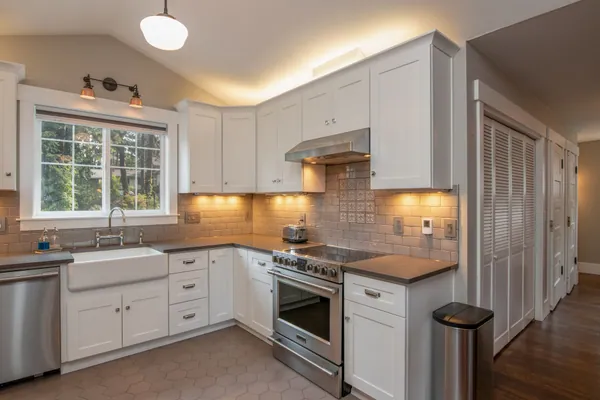
The extractor hood and filter are cleaner here than in urban or industrial zones because air carries less grit. Cleaning is simpler, and the filter does not clog as quickly as it does in other areas.
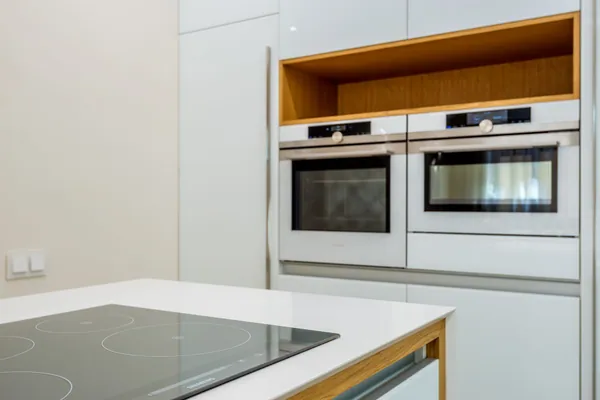
The stovetop and oven gather only cooking grease without industrial soot or workshop dust mixed in. Cleaning is more straightforward, though old water stains may appear on metal surfaces.
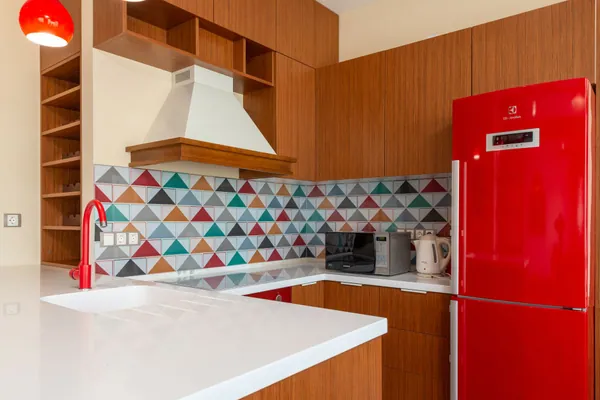
Tiles behind the hob are relatively clean overall. Grout lines between tiles may hold black mould from damp conditions. Cleaning opens the joints, and drying is critical to prevent mould from returning.
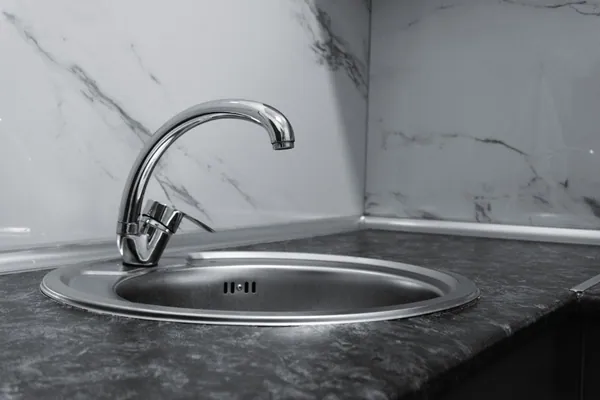
The sink and tap develop white mineral rings from water deposits. A mineral remover breaks down these deposits, but old rust staining may not disappear entirely.
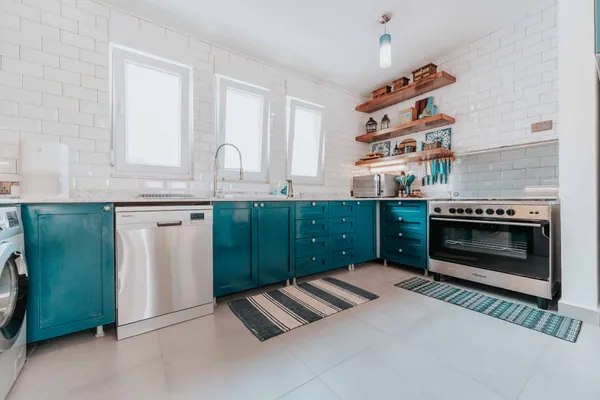
Floors and corners trap moisture and may show black mould. Cleaning and drying must happen together. Floors may be natural stone or old ceramic tile that needs careful handling.
Painted cabinets, laminate, natural stone and stainless steel do not take the same degreaser.
We start high, the tops of cabinets and the hood, and work down to the floor.
The degreaser is put on the heavy areas and given time to break the oil down before it is wiped.
The metal filter carries the worst of the grease and is soaked and worked on its own, not just wiped in place, because a clogged filter puts the oil straight back into the air.
The burners, the tiled splash and the grout lines take focused work, since the grout darkens first and a flat wipe passes over it.
We go over the kitchen with you before the team leaves.
Testing the solution on a hidden spot is a step we treat as necessary, not optional.
We send a team, not a single worker.
The degreasers and tools come with the team.
If what the kitchen needs is a repair or pest treatment rather than a clean, we say so.
Photographs from real jobs carried out by the crew.












The commitment is simple enough to actually keep: we do not leave before you have seen the result and told us what you think of it.
Wadi Qaws lies beneath Jabal Khashash to the east, and homes and resthouses are scattered between the Wadi Qaws Dam and Al Qaws Street. Access to any home depends on its location relative to these natural and street landmarks where the team organises its approach and timing.
We provide these in Wadi Qaws too, and more than one can share a single visit.



