
We test before we degrease
Testing the solution on a hidden spot is a step we treat as necessary, not optional.
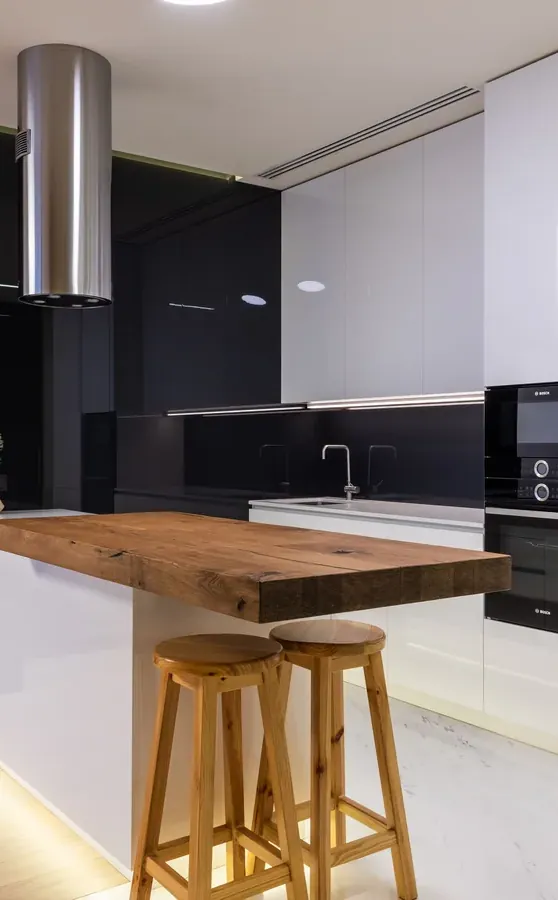
Al Sahel sits on Al Saif Corniche overlooking the Red Sea, with villas, apartments and developing residential land. Here the air is permanently humid and salt enters doors and windows daily. Cooking oil settles on surfaces fast, and humidity adds mould underneath the grease. Wooden cabinets swell and shrink constantly, and marble needs protection from salt. Cleaning here focuses on separating salt from grease and thorough drying afterward.
Air is humid year round and salt deposits on glass, cabinets and curtains constantly. Fabrics and furniture hold permanent moisture and wooden cabinets expand and contract without rest. For the method itself, see our guide to kitchen cleaning.
Sea air carries salt that settles on glass, cupboards and curtains. This salt mixes with cooking grease to form a hard crust. Degreaser alone cannot remove salt, you need a mild acid soak first or a salt-dissolving product. Complete drying after cleaning is essential to prevent mould.
Wooden kitchen cabinets here suffer constant humidity stress. Wood expands in wet seasons and contracts in dry ones, and paint cracks on edges from the movement. Very strong product may strip weak paint that has cracked from expansion. We choose moderate strength and dry fast.
Sea humidity and salt together create ideal conditions for mould in corners, floors and bathrooms. Deep cleaning removes current mould but constant ventilation is essential. We may apply a mould inhibitor after cleaning to slow return.
A coastal strip on the western edge of south Jeddah near the Red Sea with modern infrastructure, planned streets and a mixed housing type of villas, apartments and land plots.
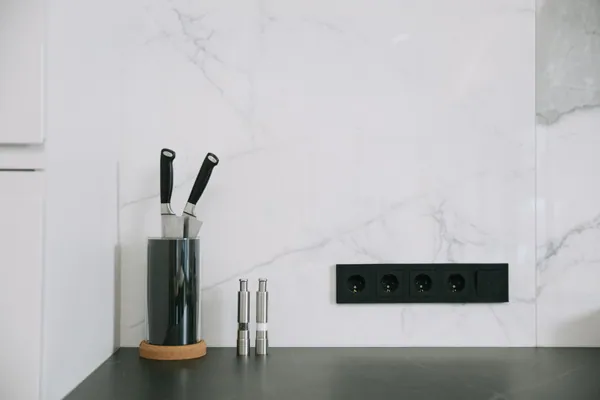
Grease mixes with salt and humidity, and wooden cabinets suffer from expansion stress. We use mild acid soak first for salt, then moderate degreaser, and rapid drying is essential.
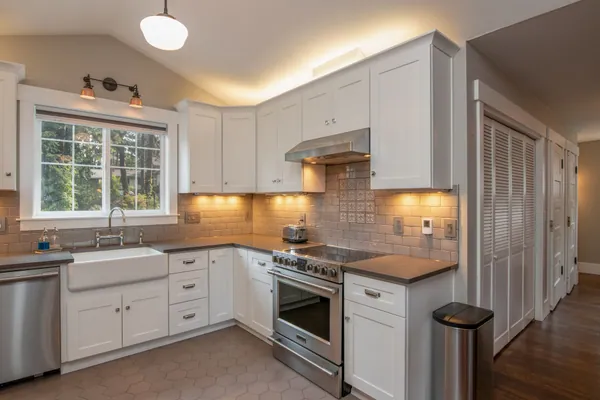
The hood collects both grease and salt, and the filter needs frequent cleaning. Humidity may enter the motor so we verify the filter dries completely.
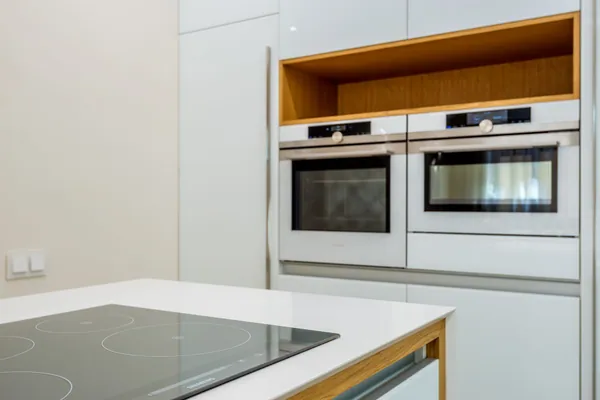
Old oven and hob have salt deposited on burners. Mild acid soak is necessary before any scrubbing.
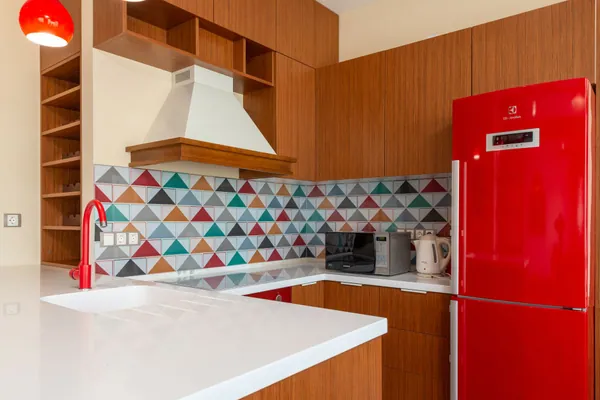
Tiles behind the hob may be marble or ceramic, and salt leaves white rings. We test product on a hidden corner first.
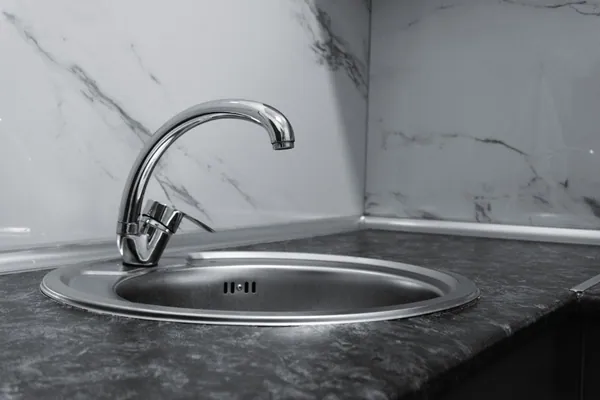
Sink and tap may be stainless steel or brass and salt causes rust. We use very mild acid soak and dry immediately.
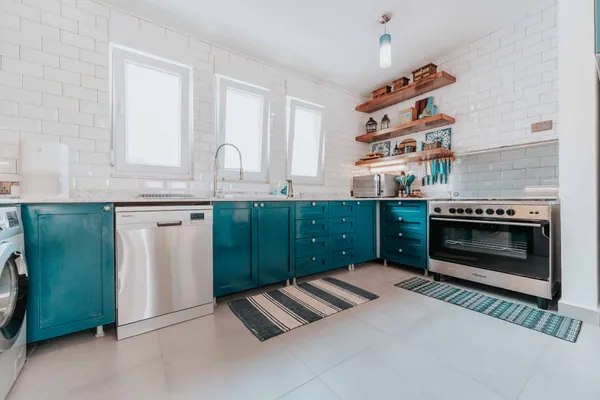
Floors are ceramic or marble, and salt and humidity cause slipping. We sweep first then mop with very mild acid soak, and rapid drying is critical for safety.
Painted cabinets, laminate, natural stone and stainless steel do not take the same degreaser.
We start high, the tops of cabinets and the hood, and work down to the floor.
The degreaser is put on the heavy areas and given time to break the oil down before it is wiped.
The metal filter carries the worst of the grease and is soaked and worked on its own, not just wiped in place, because a clogged filter puts the oil straight back into the air.
The burners, the tiled splash and the grout lines take focused work, since the grout darkens first and a flat wipe passes over it.
We go over the kitchen with you before the team leaves.
Coastal area: high humidity and salt air through the year
Coastal areas mean salt and permanently humid air and rapid mould. Cleaning here focuses on separating salt from grease and complete drying afterward, with careful handling of wooden cabinets and protection of surfaces from constant rust and mould return.
Testing the solution on a hidden spot is a step we treat as necessary, not optional.
We send a team, not a single worker.
The degreasers and tools come with the team.
If what the kitchen needs is a repair or pest treatment rather than a clean, we say so.
Photographs from real jobs carried out by the crew.












The commitment is simple enough to actually keep: we do not leave before you have seen the result and told us what you think of it.
South Jeddah runs from the port and the industrial city down towards Al Khumrah, and homes here sit between the sea and the heavy goods roads. The dust is darker and oilier than in the north, a mix of diesel soot and workshop grit, and it clings to net curtains, window sills and the tops of kitchen cupboards. Floors in the older low rise housing are often plain cement or ceramic tile that darkens where soot is walked in. Humidity from the coast adds mildew in bathrooms and a musty smell in stored fabrics.
We provide these in Al Sahel too, and more than one can share a single visit.



