
We test before we degrease
Testing the solution on a hidden spot is a step we treat as necessary, not optional.
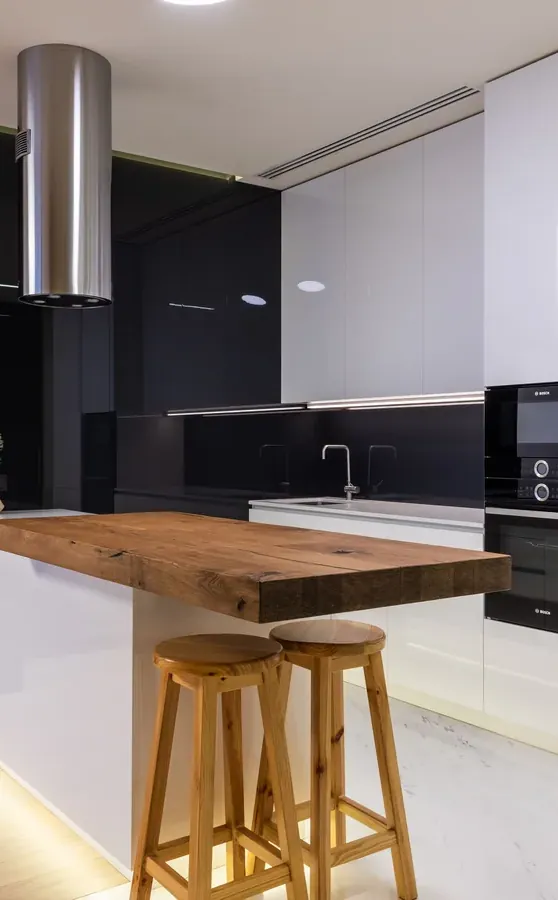
Al Hamra is an established waterfront district where apartment towers and hotels stand alongside luxury villas, all facing the Red Sea and the King Fahd Fountain. The kitchens here sit open to high humidity and salt-laden air from the sea, with wide windows that bring the coastal environment inside. Cooking grease combines with sea salt to create a film that is harder and stickier than in any inland district, and it hardens much faster.
These kitchens are in luxury villas and high-rise apartments with large open windows facing the sea. The wide windows allow sea air to carry cooking grease deep into the kitchens and coat surfaces far from the hob. For the method itself, see the full kitchen cleaning page.
The damp air on the Corniche makes cooking grease settle and bond with sea salt within hours, not days as in inland areas. This compound film hardens fast and becomes much harder to break down than grease alone, requiring stronger degreasers and longer contact time.
Luxury villas here have spacious kitchens with long counters and high ceilings. Cooking spray travels horizontally much further than in smaller homes, reaching distant walls, upper cupboards and corners. These far surfaces need extra attention and degreasing time.
Cushions and upholstery on open terraces next to the kitchen absorb cooking mist mixed with sea salt, making odours persistent and fabrics heavy. This requires separate treatment, as the combination is not removed by ordinary washing.
Al Hamra sits on the Red Sea directly between the Corniche and Madinah Road. The high humidity and constant salt air make every kitchen surface prone to rapid, deep adhesion of grease.
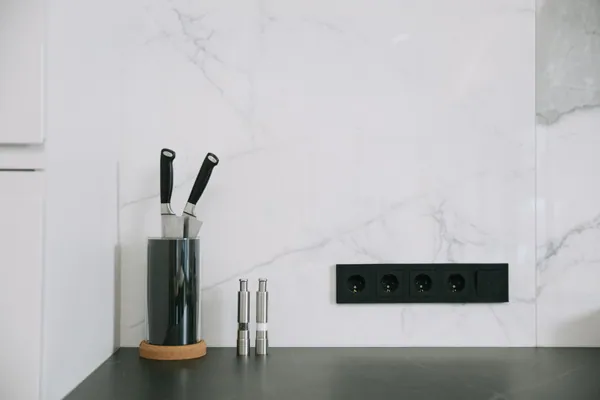
Cabinet fronts here absorb salt with grease rapidly, so we work top down, apply degreaser and allow extended contact time before final wiping.
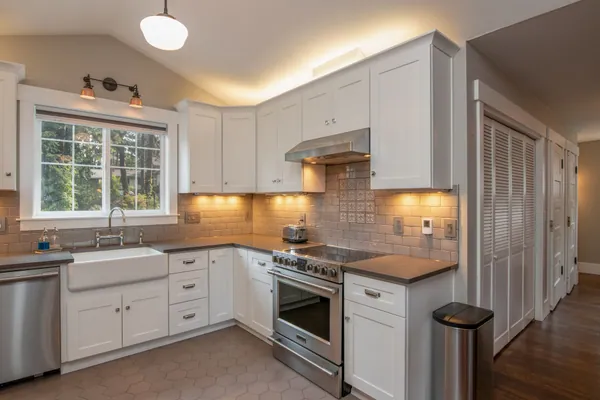
Hood and filter collect salt and grease together and clog faster than in inland areas, needing deeper extraction and extended soaking.
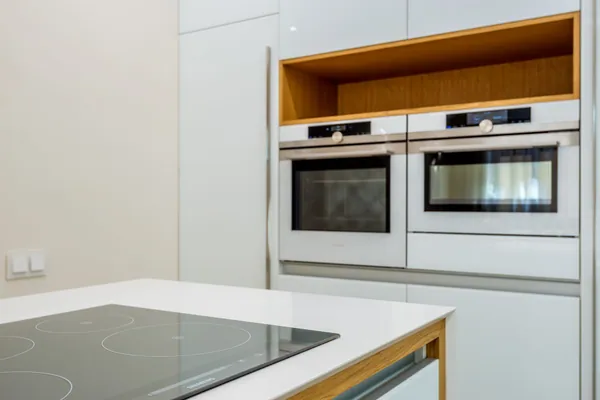
The hob and burners carry thick greasy layers that salt has penetrated. We test surfaces first, then soak and scrub carefully, especially on stainless and ceramic.
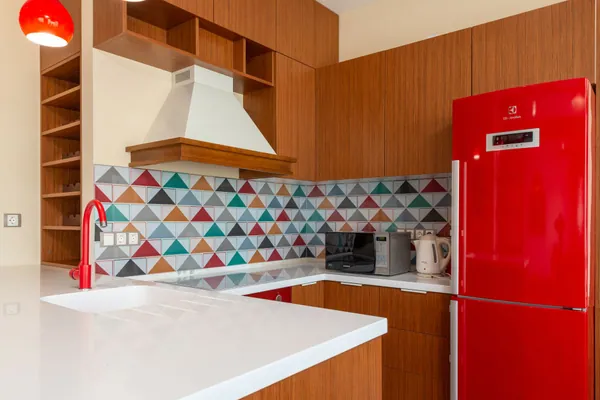
Tiles behind the hob trap salt and grease together, turning slippery and resisting friction. Longer soaking and gentle repeated strokes are needed to avoid slips.
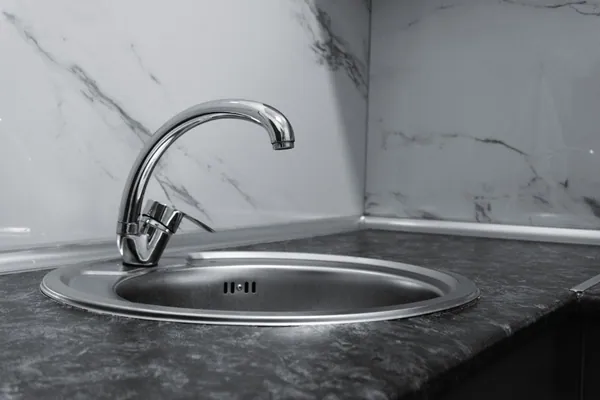
Sink and mixer taps leave white salt deposits from mineralised water spray. We clean stainless and marble gently to avoid streaks and etching.
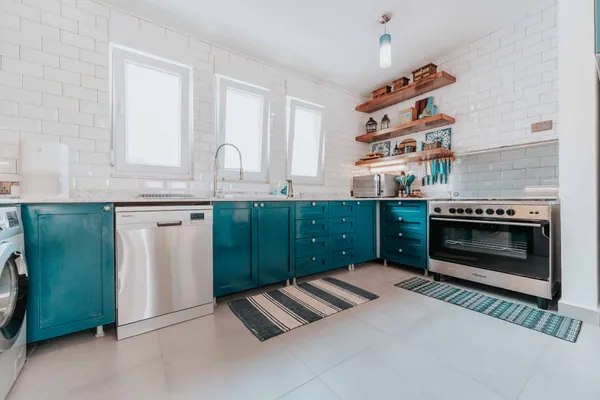
Marble floors shine initially but salt dulls them fast. We finish by removing all salt deposits before drying to extend the shine longer.
Painted cabinets, laminate, natural stone and stainless steel do not take the same degreaser.
We start high, the tops of cabinets and the hood, and work down to the floor.
The degreaser is put on the heavy areas and given time to break the oil down before it is wiped.
The metal filter carries the worst of the grease and is soaked and worked on its own, not just wiped in place, because a clogged filter puts the oil straight back into the air.
The burners, the tiled splash and the grout lines take focused work, since the grout darkens first and a flat wipe passes over it.
We go over the kitchen with you before the team leaves.
Testing the solution on a hidden spot is a step we treat as necessary, not optional.
We send a team, not a single worker.
The degreasers and tools come with the team.
If what the kitchen needs is a repair or pest treatment rather than a clean, we say so.
Photographs from real jobs carried out by the crew.












The commitment is simple enough to actually keep: we do not leave before you have seen the result and told us what you think of it.
Coastal area: high humidity and salt air through the year
Al Hamra is coastal, but with exceptional intensity. The district is tightly packed on the water and every kitchen faces sea winds and salt-laden air directly through open windows.
We provide these in Al Hamra too, and more than one can share a single visit.



