
We test before we degrease
Testing the solution on a hidden spot is a step we treat as necessary, not optional.
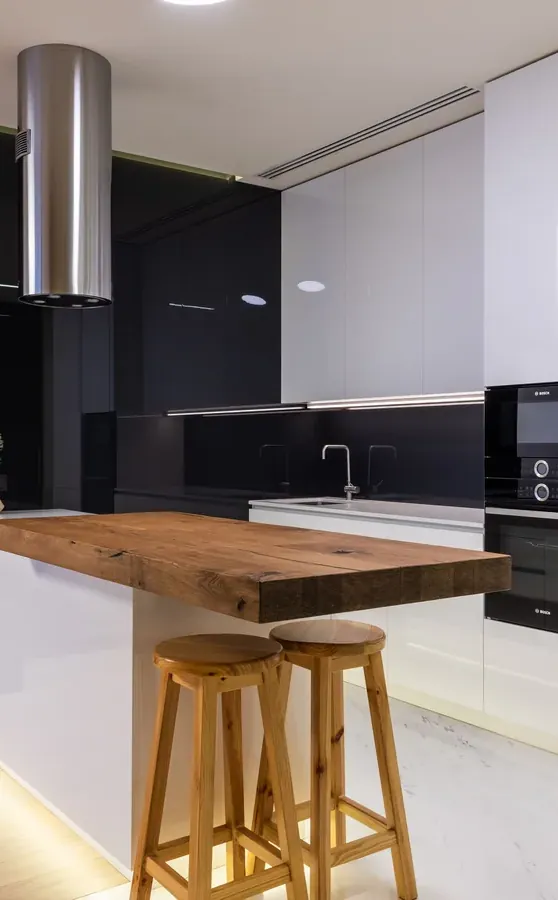
Al Muhammadiyah is an upmarket residential district in west Jeddah between King Abdulaziz Road and Madinah Road, very close to the beach and the Corniche. Villas are spacious and kitchens are modern and well equipped. But the coastal location means high humidity and persistent salt in the air on glass and metal, and carpets and curtains retain odours and dust longer than inland quarters.
Salt deposits continuously on glass and metal, and humidity keeps carpets and curtains slightly damp so they trap odours and dust for longer than in drier areas. For the method itself, see how we approach kitchen cleaning.
West Jeddah on the Corniche faces the sea with salt in the air all year. Salt and humidity combine to make grease stick harder. Glass carries a salt haze, and metal corrodes faster than inland kitchens.
Villas in Al Muhammadiyah are large and kitchens are spacious. The extra area means more surfaces and corners that collect salt and grease. Deep cleaning requires extra hours.
Carpets, curtains and fabrics in the villas retain cooking and salt odours longer because damp air keeps them slightly wet. Deep cleaning must address humidity effects as well as grease removal.
The district faces the sea along the Corniche, and salt is present in the air all year. This settles on every surface and affects every fabric and finish in the kitchen.
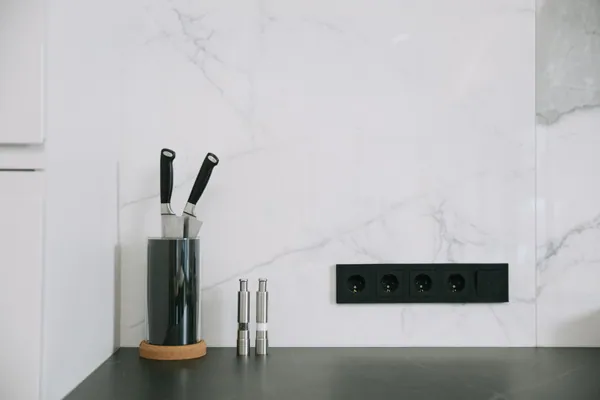
Cabinet doors in coastal villas carry layers of both salt and grease, requiring a pH-neutral degreaser safe for wood and varnish.
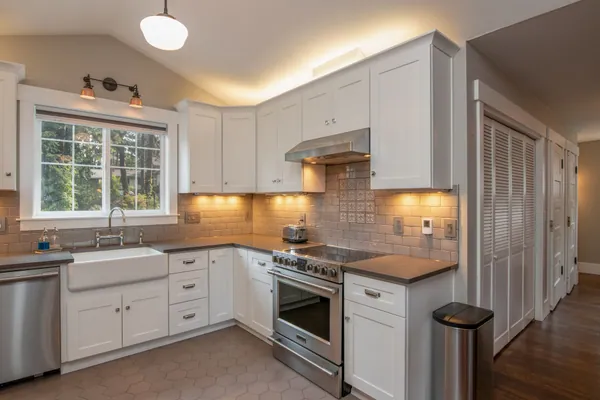
The extractor hood and filter in Al Muhammadiyah collect salt crystals alongside grease, needing extended soaking and careful rinsing.
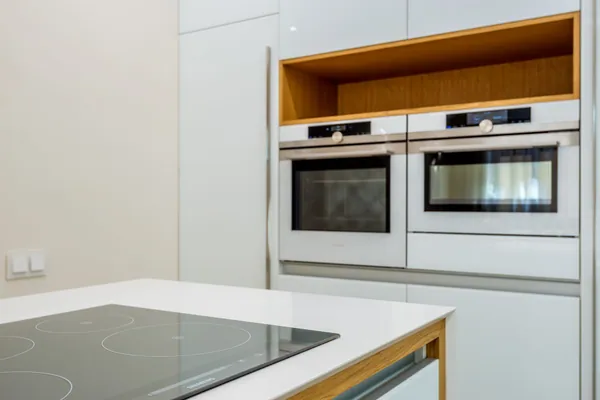
Oven and hob accumulate salt with grease, requiring precise removal with special care for stainless steel finishes.
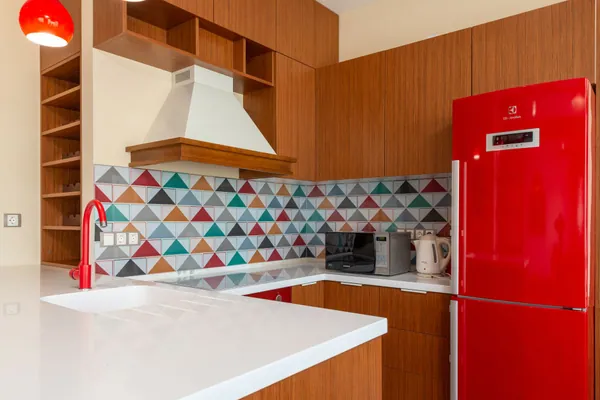
Tiles behind the hob hold mineral scale from salt in the grout lines beneath the grease layer, requiring soaking and fine scrubbing.
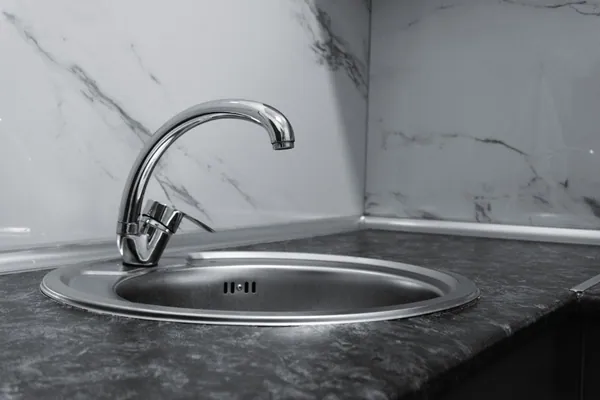
Sink and mixer corrode from salt combined with moisture, so we use a neutral degreaser safe for metal finishes and edges.
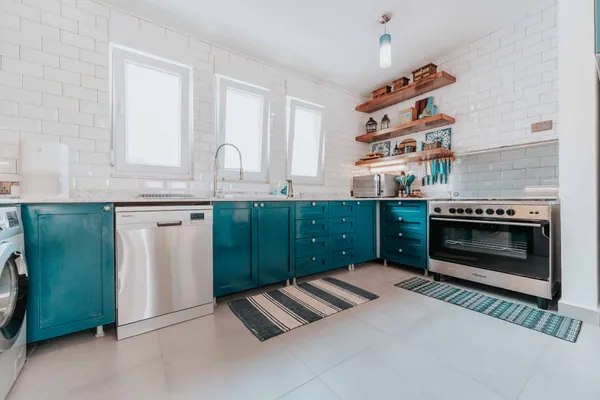
Flooring may carry salt residue from humidity and coastal air, so a final fresh water rinse clears mineral film that ordinary mopping leaves behind.
Painted cabinets, laminate, natural stone and stainless steel do not take the same degreaser.
We start high, the tops of cabinets and the hood, and work down to the floor.
The degreaser is put on the heavy areas and given time to break the oil down before it is wiped.
The metal filter carries the worst of the grease and is soaked and worked on its own, not just wiped in place, because a clogged filter puts the oil straight back into the air.
The burners, the tiled splash and the grout lines take focused work, since the grout darkens first and a flat wipe passes over it.
We go over the kitchen with you before the team leaves.
Testing the solution on a hidden spot is a step we treat as necessary, not optional.
We send a team, not a single worker.
The degreasers and tools come with the team.
If what the kitchen needs is a repair or pest treatment rather than a clean, we say so.
Photographs from real jobs carried out by the crew.












The commitment is simple enough to actually keep: we do not leave before you have seen the result and told us what you think of it.
West Jeddah faces the sea along the Corniche, and the flats and towers along it live with salt in the air all year. Salt settles on glass as a haze that plain water spreads rather than removes, and it works into balcony railings, outdoor fabric and the metal of window frames. Indoors, humidity keeps carpets and curtains slightly damp, so they hold odours and dust longer than in drier districts, and bathroom grout and shower glass show scale quickly. Wooden floors and doors swell a little in the wetter months.
We provide these in Al Muhammadiyah too, and more than one can share a single visit.



