
We treat the source, not the sighting
Spraying what walks across the floor is the common mistake we're called in to fix.
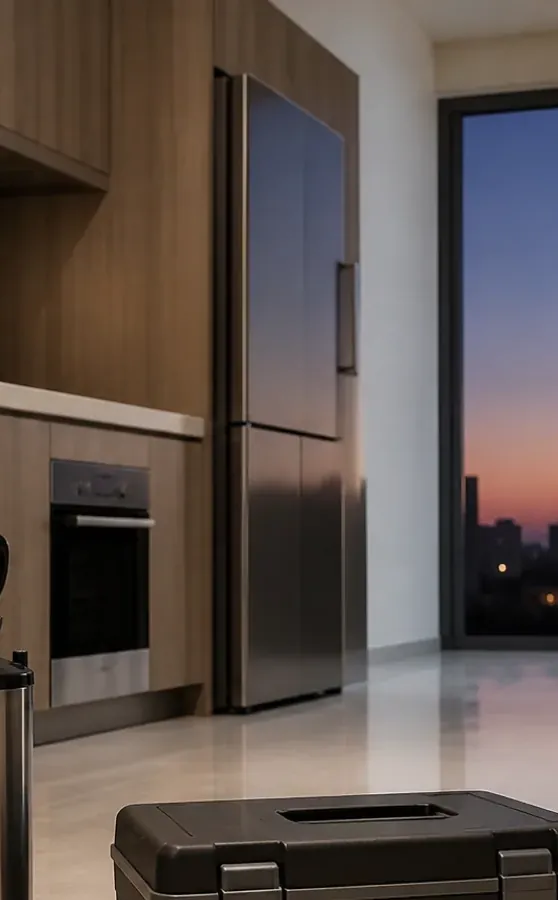
Al Baghdadiyah West is the seaward half of Baghdadiyah near the Corniche and Arbaeen Lagoon, with apartment buildings and older blocks from the district's mid-century prosperity, built on low flat coastal ground. High coastal humidity and proximity to the lagoon create ideal insect habitat, and shared drains carry persistent moisture from leaks and the maritime environment.
Flats here are affected by insects more often than inland districts because of persistent moisture and proximity to the lagoon. Shared drains carry high moisture year round, providing ideal conditions for insect breeding. For the method itself, see the full pest control page.
Damp air from the lagoon and Corniche deposits on walls, floors and furniture continuously. This persistent moisture creates ideal conditions for insects to breed at an accelerated rate. Treatment needs repeating frequently because the damp environment actively facilitates reproduction.
The lagoon lies immediately adjacent to the buildings and may supply aquatic and semi-aquatic insect species. Insects from the lagoon enter buildings easily through windows and gaps.
Buildings are old and shared drains carry high moisture from leaks. Gaps around pipes and utilities provide safe pathways for insects to move between flats. Treating one flat does not stop infestation.
The seaward half of Baghdadiyah lies between Madinah Road and Port Bridge Road, close to Arbaeen Lagoon, Al Hamra Corniche and historic Al Balad. The land is low, flat and coastal, maritime moisture is persistent, buildings are old and utilities require continuous maintenance.
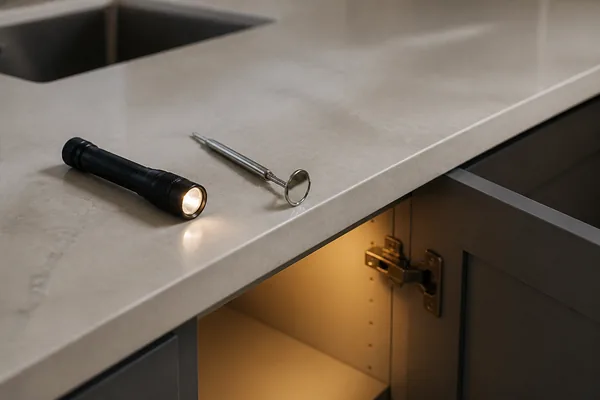
Inspect the flat, building, neighbouring units and openings facing the lagoon and Corniche. Identify the species precisely, as some may be aquatic or semi-aquatic species from the lagoon.
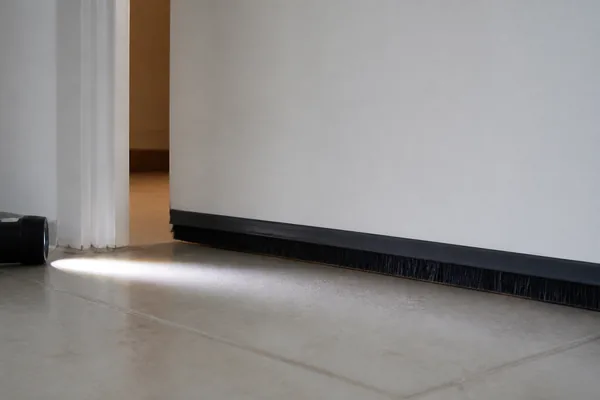
Main entry sources are Arbaeen Lagoon, the Corniche, infested neighbouring flats and shared utilities. Windows and openings facing the lagoon are direct entry routes.
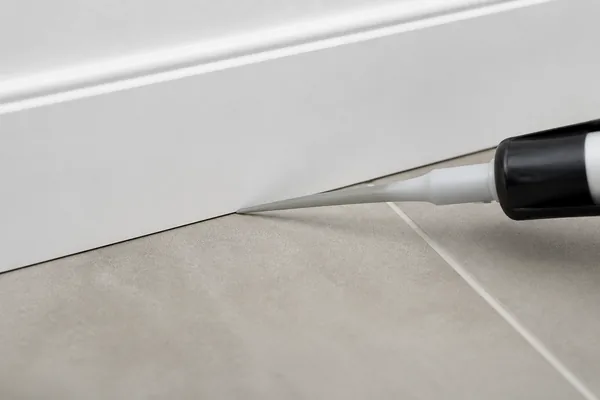
Cracks and gaps around windows and openings facing the lagoon provide entry and refuge. Treatment includes sealing these gaps with materials resistant to salt and high humidity.
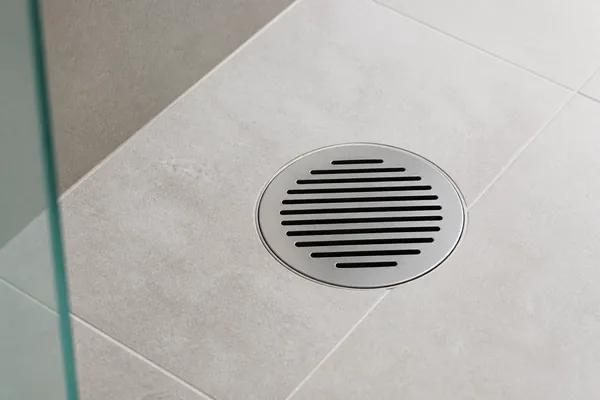
Shared drains and pipes carry high persistent moisture from the maritime environment and leaks. Insects follow moisture along these routes. Baits are placed abundantly around pipe openings and drains.
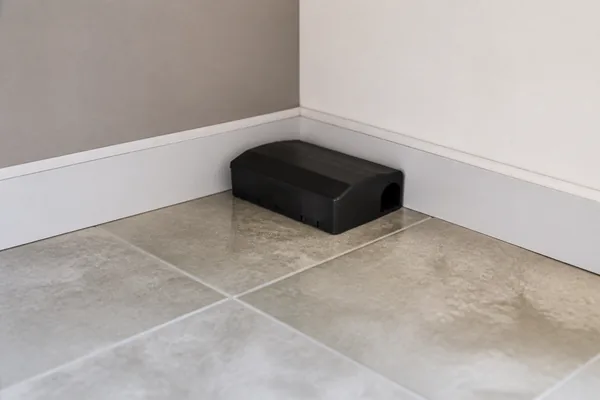
Baits are placed along shared utilities, around gaps under windows, around openings facing the lagoon and Corniche, to intercept insects coming from the lagoon and neighbouring flats.
Follow-up is frequent: every two weeks for the first two months, then monthly. The lagoon and persistent moisture are continuous sources, and regular monitoring and prompt repetition is essential.
Droppings, damage and where they appear tell us the pest and roughly where it's nesting.
Gaps around pipes, thresholds and vents are the supply line.
Product goes into voids, cracks and the runways they use, not the open floor.
In the spaces spray can't reach, bait does the work, carried back to reach the nest and the ones that never surface.
Closing the easy entry points turns a constant re-supply into a closed problem, so the treatment isn't fighting a fresh wave every week.
Before leaving we walk the home with you and show you what was treated.
Coastal area: high humidity and salt air through the year
An old coastal district means persistent moisture and a lagoon as a continuous source. Treating the flat alone is temporary because moisture enables rapid breeding. The solution requires complete sealing of gaps facing the lagoon and around shared utilities, with continuous follow-up because pressure from the lagoon never stops.
Spraying what walks across the floor is the common mistake we're called in to fix.
The company runs a large crew, and we send a team rather than one person.
Ants, cockroaches and rodents each need different products and placements.
If what you have is a one-off that doesn't need treating, or a structural issue for a builder, we tell you.
Photographs from real jobs carried out by the crew.












The commitment is simple enough to actually keep: we show you what was treated, and we stand behind it within the agreed cover.
Al Baghdadiyah West lies directly beside Arbaeen Lagoon and Al Hamra Corniche, next to Madinah Road on one side and the lagoon on the other. Access to the buildings is via Port Bridge Road or from Al Hamra Corniche.
We provide these in Al Baghdadiyah West too, and more than one can share a single visit.



