
We treat the source, not the sighting
Spraying what walks across the floor is the common mistake we're called in to fix.
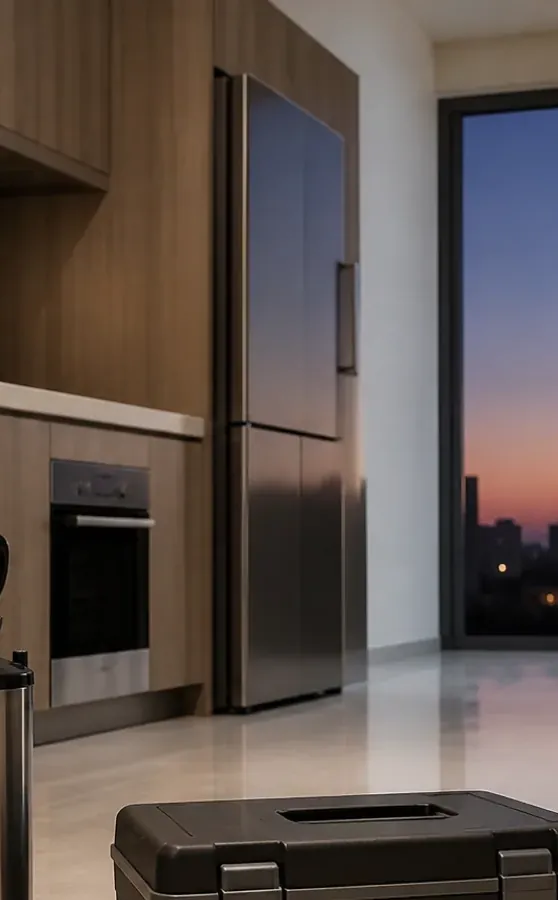
Al Sarawat is an industrial district in far south Jeddah next to Al Khumrah, dominated by warehouses and workshops with wide commercial and residential plots scattered between the industrial buildings. Insects in the massive warehouses and stored goods do not return to scattered homes and small shops unless the warehouses themselves are treated. A single home or shop cannot be made pest free while the industrial complex around it remains untreated.
Insects in Al Sarawat warehouses breed in vast numbers from stored goods and wide ceiling voids, and scattered homes and small shops between the warehouses suffer constant infestation. For the method itself, see the full pest control page.
Warehouses in Al Sarawat are built with vast floor areas and wide voids beneath ceilings and floor slabs. These voids are perfect insect housing. A single warehouse may contain millions of insects, and these vast populations supply homes and shops in the surrounding area continuously.
Warehouses store enormous quantities of goods and food materials and waste, all of which feed insects. Incoming and outgoing goods and waste provide a continuous breeding environment, and insects multiply and crawl towards occupied spaces.
Wide open land surrounding warehouses provides direct pathways for insects to crawl towards scattered houses and shops. A house close to a massive warehouse faces a problem that may not end even after treating the house repeatedly.
Warehouses are built to civil defence specifications with wide voids beneath ceilings and beneath floors, and open land surrounds each warehouse. Insects find these voids an ideal breeding ground, especially where goods are stored and handling is continuous.
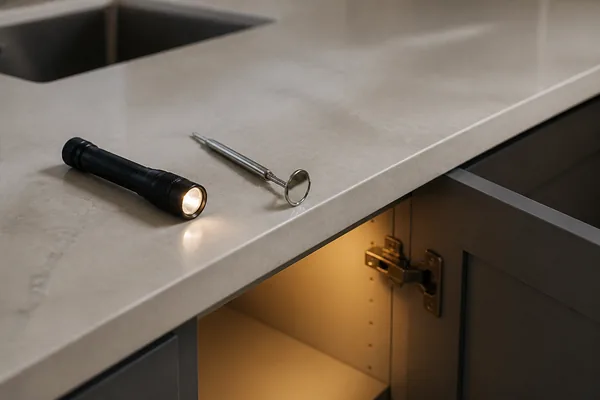
In Al Sarawat, identification focuses on storage and goods loving species, insects thriving in industrial environments and concrete floor conditions.
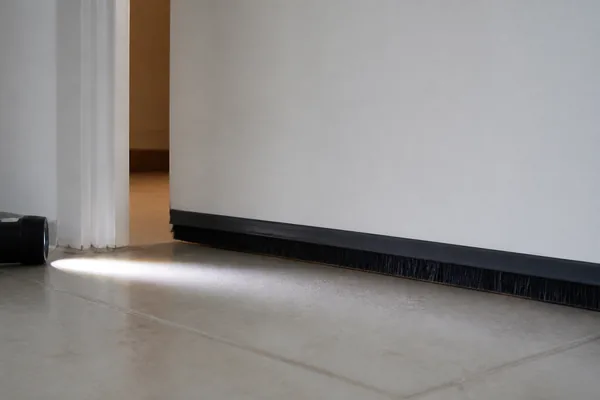
We trace insect routes from warehouses towards homes and shops across open land and through gaps.
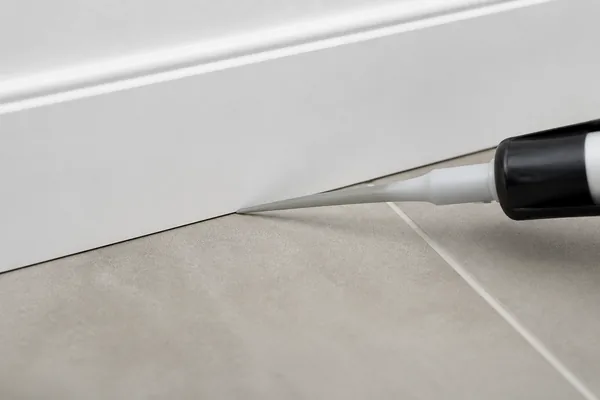
Gaps under doors and walls and cracked concrete floors are the main corridors, and we treat these directly.
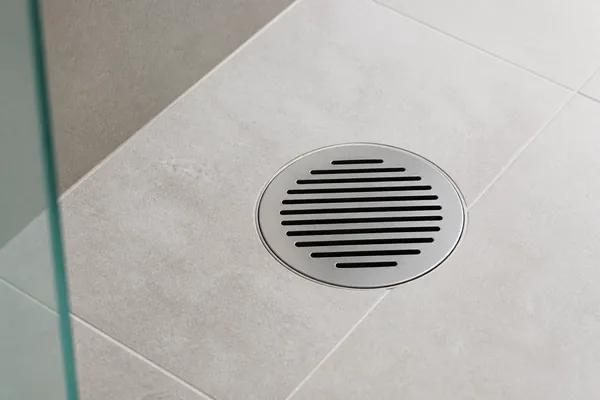
Drains and damp in older warehouses and the wide voids provide water and food, and we focus treatment on these areas.
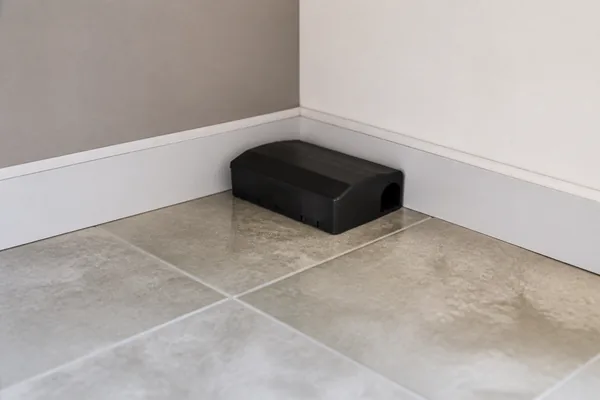
We place baits in gaps round warehouses and across open land as well as inside homes and shops.
Follow up in Al Sarawat focuses on warehouses first, and the area will not improve until the main insect sources are addressed.
Droppings, damage and where they appear tell us the pest and roughly where it's nesting.
Gaps around pipes, thresholds and vents are the supply line.
Product goes into voids, cracks and the runways they use, not the open floor.
In the spaces spray can't reach, bait does the work, carried back to reach the nest and the ones that never surface.
Closing the easy entry points turns a constant re-supply into a closed problem, so the treatment isn't fighting a fresh wave every week.
Before leaving we walk the home with you and show you what was treated.
Al Sarawat sits about 3.5 km from Al Khumrah and about 4.5 km from Al Sarawriyah.
Open in Google MapsSpraying what walks across the floor is the common mistake we're called in to fix.
The company runs a large crew, and we send a team rather than one person.
Ants, cockroaches and rodents each need different products and placements.
If what you have is a one-off that doesn't need treating, or a structural issue for a builder, we tell you.
Photographs from real jobs carried out by the crew.












The commitment is simple enough to actually keep: we show you what was treated, and we stand behind it within the agreed cover.
Industrial area: workshops, warehouses and loading yards
In an industrial area like Al Sarawat, treating scattered homes and shops alone is certain to fail. Warehouses and large voids are the primary source, and they need comprehensive treatment in parallel with treating occupied spaces.
We provide these in Al Sarawat too, and more than one can share a single visit.



