
We treat the source, not the sighting
Spraying what walks across the floor is the common mistake we're called in to fix.
Al Muntazah is an eastern district on the edge of Briman sub-municipality dominated by apartment blocks let to workers, with very narrow internal streets and floors worn by heavy use. Blocks stand close together with shared corridors and entrances, and pests move easily between flats through central pipes and gaps around utilities. Treatment requires complex coordination with many occupied units.
Worker flats are densely occupied and worn floors conceal voids beneath them, and constant resident turnover creates openings for pests to enter and leave units with ease. For the method itself, see the full pest control page.
Central corridors and shared stairs are very narrow and poorly lit, providing ideal pest movement routes at night. Gaps around water and drainage pipes in these passages are poorly sealed because maintenance focuses on cost.
Concrete and ceramic floors are worn by heavy use and crack easily. Wide gaps beneath broken floors provide large pest shelters and shared movement routes between flats.
High occupancy density means corridor doors stand open continuously. Pests enter from the street when doors open and spread fast because flats are close together and pipes are shared.
The district sits on Briman's eastern edge next to Al Samir and Al Asla, with tightly grouped worker housing blocks, narrow internal lanes and surfaces worn by intensive occupation.
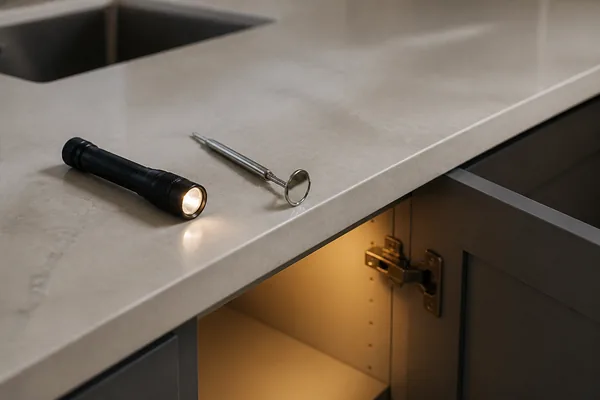
Interconnected worker housing blocks host multiple pest species due to high density and shared voids. Identifying each species helps us select the most suitable treatment.
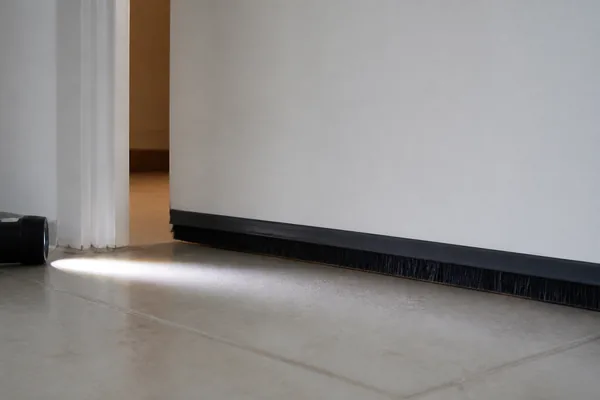
Primary entry points are not individual doors alone but shared openings in corridors, gaps beneath floors and cracks around vertical pipes connecting flats.
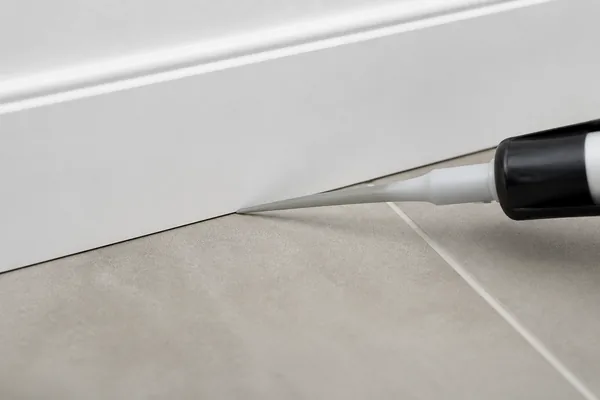
We treat cracks and wide gaps firmly, but focus on shared pipes and services because they are the main routes pests use to travel between flats.
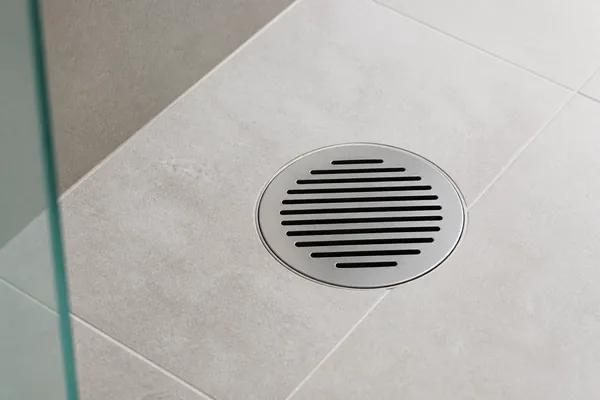
Shared drains and damp pipes in central corridors attract pests from all flats. Treating them once removes a major shared source.
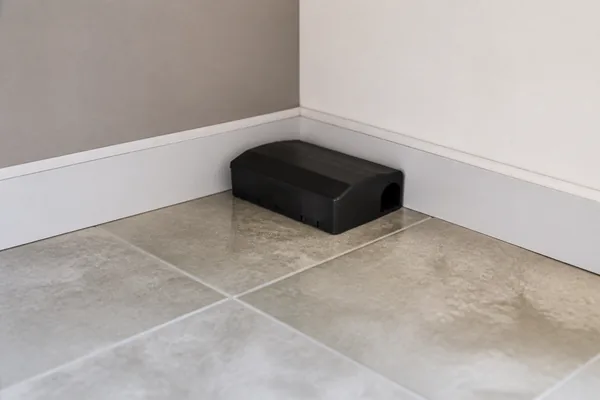
We place baits in shared corridors around pipe entry points and inside flats along night-time movement routes and damp corners.
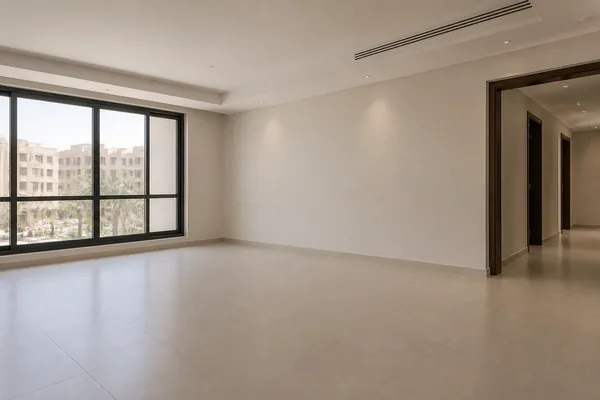
Follow-up in worker blocks occurs at least monthly. Coordination with management and residents is very important, and periodic building-wide treatment campaigns may be needed every few months.
Droppings, damage and where they appear tell us the pest and roughly where it's nesting.
Gaps around pipes, thresholds and vents are the supply line.
Product goes into voids, cracks and the runways they use, not the open floor.
In the spaces spray can't reach, bait does the work, carried back to reach the nest and the ones that never surface.
Closing the easy entry points turns a constant re-supply into a closed problem, so the treatment isn't fighting a fresh wave every week.
Before leaving we walk the home with you and show you what was treated.
Spraying what walks across the floor is the common mistake we're called in to fix.
The company runs a large crew, and we send a team rather than one person.
Ants, cockroaches and rodents each need different products and placements.
If what you have is a one-off that doesn't need treating, or a structural issue for a builder, we tell you.
Photographs from real jobs carried out by the crew.












The commitment is simple enough to actually keep: we show you what was treated, and we stand behind it within the agreed cover.
In Al Muntazah the team reaches sites via Hada Al Sham Road and Muawiyah Al Sulami Street, and the blocks cluster in a confined area. Wadi Al Asla marks the district's eastern edge, and treatment is planned around the groups of similar blocks distributed within the zone.
We provide these in Al Muntazah too, and more than one can share a single visit.



