
We treat the source, not the sighting
Spraying what walks across the floor is the common mistake we're called in to fix.

Al Abeer is an emerging district where vacant plots and ongoing building work create shifting environments for pests. Insects here have multiple sources: loose soil, construction debris, and pooled water from building sites. Treatment tracks these sources and extends along new foundations and undefined gaps that standard spraying misses.
New homes carry moisture from concrete work and fresh paint for months, drawing insects to storage and bathrooms before floors settle and ventilation stabilises. For the method itself, see how we approach pest control.
Newly built homes have not yet sealed their gaps, and fresh concrete foundations offer easy highways for insects from wet ground into the house. Gaps around emerging metalwork and pipework remain unsuitable and open, letting insects pass through them before construction ends.
Excavation and building operations leave temporary water pools, soil mounds, and construction waste that carry insect eggs. These outdoor sources feed the insects inside the home throughout the building season, and treatment follows the source, not just what is visible.
New furniture and cardboard carry insects from storage warehouses, and new entry points have not yet been sealed. Empty homes during transition offer unbarred routes for insects, and treatment focuses on protection before the home is fully occupied.
The district is newly released with main roads connecting to Jeddah Madinah Road. Light soils and open land provide easy breeding grounds for insects and rodents migrating from surrounding construction.
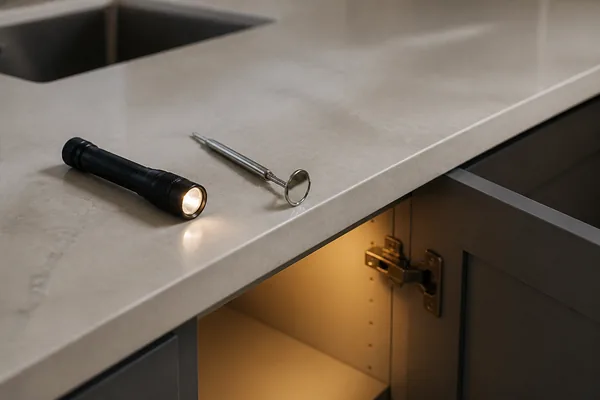
Insects in Al Abeer are diverse: cockroaches from wet soil, ants from debris, and mosquitoes from pooled water. Accurate identification depends on the surrounding environment and active construction nearby.
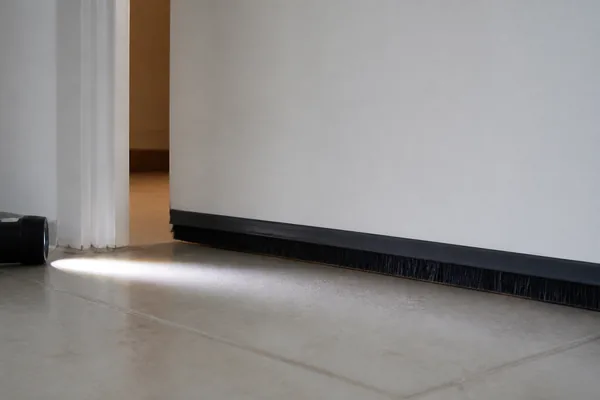
Gaps around new foundations and unsealed metalwork are the main entry points, with routes running through gaps under fresh floors and emerging service conduits.
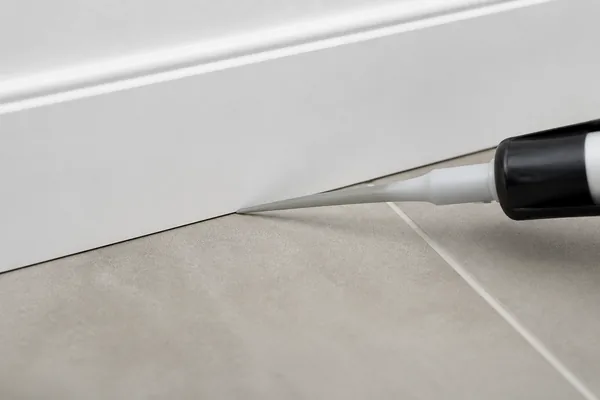
Cracks in new concrete and gaps around pipes are treated with sealing compounds that withstand movement and the high moisture of early-stage construction.
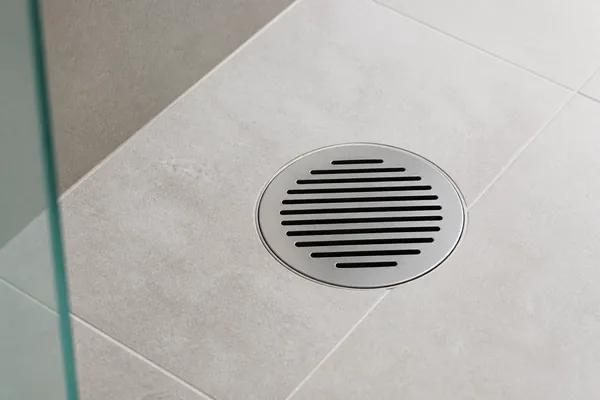
Pooled water from foundations, excavation, and fresh irrigation supports mosquitoes and aquatic insects, and treatment includes water drainage and sealing pooling points.
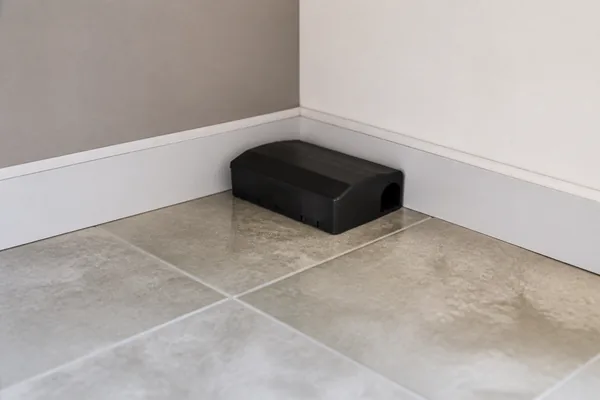
Baits are placed around gaps, foundations, and corners where insects move from soil into the home, and are refreshed weekly in new homes exposed to external sources.
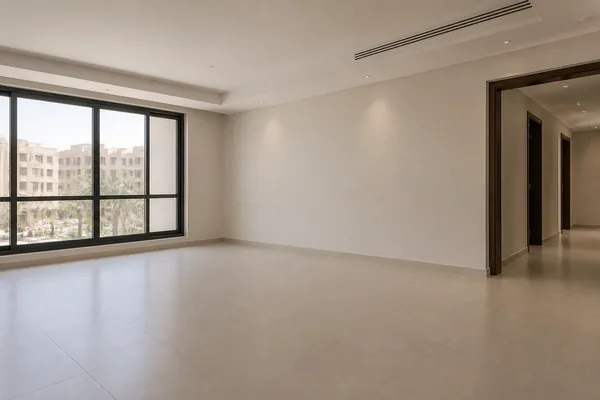
Follow-up begins one week after the first treatment and continues every two weeks through the building phase, then reduces after exterior work ends and the area stabilises.
Droppings, damage and where they appear tell us the pest and roughly where it's nesting.
Gaps around pipes, thresholds and vents are the supply line.
Product goes into voids, cracks and the runways they use, not the open floor.
In the spaces spray can't reach, bait does the work, carried back to reach the nest and the ones that never surface.
Closing the easy entry points turns a constant re-supply into a closed problem, so the treatment isn't fighting a fresh wave every week.
Before leaving we walk the home with you and show you what was treated.
New development: ongoing construction and vacant plots between the homes
A new development means sources that shift: building advances, gaps widen then close, soil settles. Treatment adapts to this change, focusing on sealing new gaps as they appear, not a fixed one-time application.
Spraying what walks across the floor is the common mistake we're called in to fix.
The company runs a large crew, and we send a team rather than one person.
Ants, cockroaches and rodents each need different products and placements.
If what you have is a one-off that doesn't need treating, or a structural issue for a builder, we tell you.
Photographs from real jobs carried out by the crew.












The commitment is simple enough to actually keep: we show you what was treated, and we stand behind it within the agreed cover.
North Jeddah is largely newer villa districts and compounds around Obhur and inland from it. Homes here tend to have marble or porcelain floors, large windows and a garden or courtyard, so the routine is set by what comes in from outside: fine sand carried on sandals, and sprinkler spray that dries to a chalky ring on tiles. Near the creek and the coast, sea air leaves a faint salt film on glass and on outdoor cushions, which stiffens fabric. Curtains and upholstery in these open plan rooms catch the dust that settles overnight.
We provide these in Al Abeer too, and more than one can share a single visit.



