
We treat the source, not the sighting
Spraying what walks across the floor is the common mistake we're called in to fix.
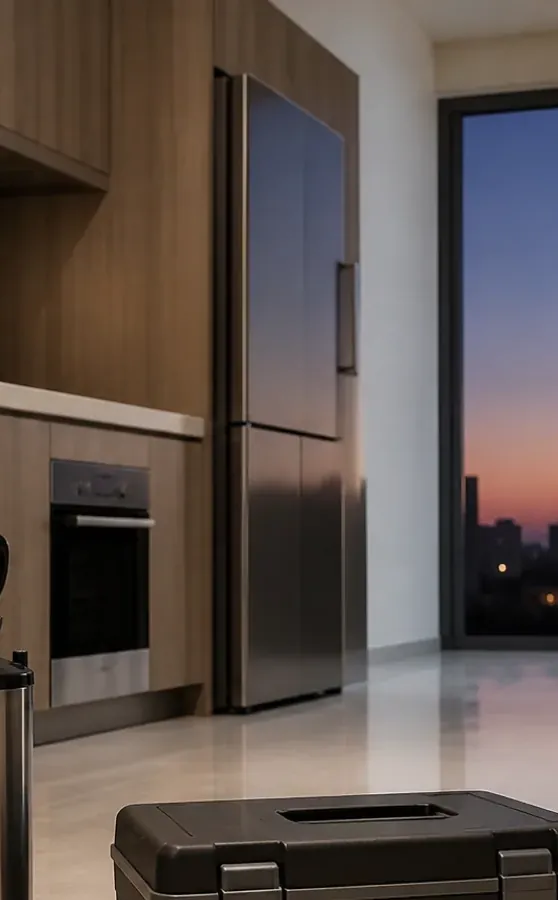
Al Salmiyah is a tightly packed apartment district east of Palestine Street, where insects move freely between flats through shared pipes, drains and common channels. Treatment here requires coordination because sealing your own gaps will not stop insects arriving from your neighbour's flat through the shared infrastructure. The building itself becomes part of the problem.
Insects move between adjacent flats through shared channels and pipes far more readily than in any other Jeddah district, making shared infrastructure the main pathway. For the method itself, see our guide to pest control.
Electrical conduits, drains and service ducts connect your flat to your neighbours, and insects travel through them freely. We seal gaps around pipes in your own flat, but explain that coordination with neighbours and building management significantly improves outcomes.
Dense occupation means many hidden gaps, dark corners and complex shared voids in the building structure. Insects shelter in places that are hard to access, so we focus on gaps inside your flat and in the common areas closest to your unit.
Older high-density neighbourhoods often have long-standing drainage problems, and moisture collects in basements and shared passages. Treating drains and damp areas is a vital part of controlling the pest population.
Very high population density in mid-rise residential buildings, shared entrance lobbies and common utility pipes, with Palestine Street as the main axis and narrow streets between housing blocks.
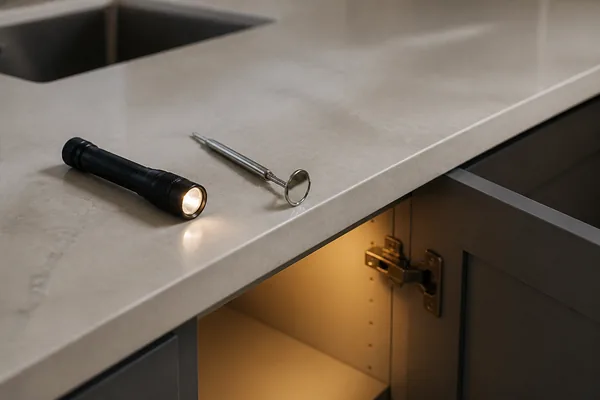
Al Salmiyah is a dense apartment district where insects move between units, so we identify the species and whether the source is inside your flat or in the shared services.
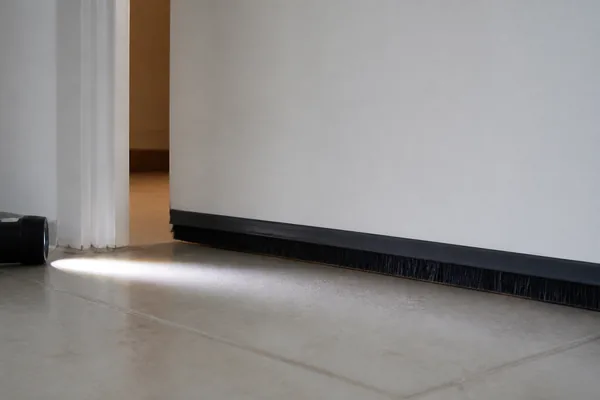
Entry routes run through shared pipes, common ducts and drains from neighbouring units into yours, so we trace this path through the building infrastructure.
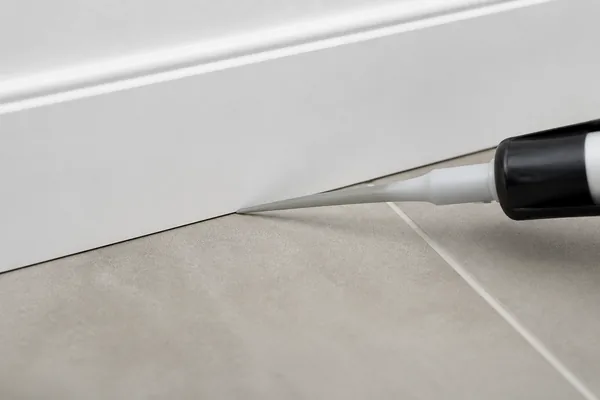
Gaps around electrical conduits, drains and service channels need precise sealing that does not damage building function or safety systems.
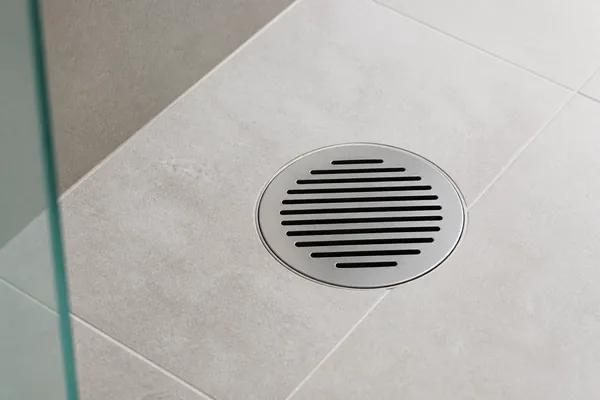
Moisture collects in drains, basements and shared passages, so treating moisture sources and advising on drain repairs in common areas is essential.
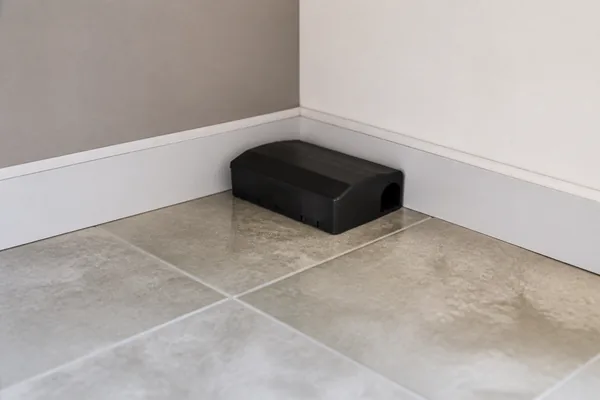
Baits are placed along insect routes around pipes, in hidden gaps and corners of your flat, and near moisture sources where they congregate.
Follow-up is more frequent in dense districts because insects return through common infrastructure, so we schedule visits that match the building's specific return pattern.
Droppings, damage and where they appear tell us the pest and roughly where it's nesting.
Gaps around pipes, thresholds and vents are the supply line.
Product goes into voids, cracks and the runways they use, not the open floor.
In the spaces spray can't reach, bait does the work, carried back to reach the nest and the ones that never surface.
Closing the easy entry points turns a constant re-supply into a closed problem, so the treatment isn't fighting a fresh wave every week.
Before leaving we walk the home with you and show you what was treated.
Spraying what walks across the floor is the common mistake we're called in to fix.
The company runs a large crew, and we send a team rather than one person.
Ants, cockroaches and rodents each need different products and placements.
If what you have is a one-off that doesn't need treating, or a structural issue for a builder, we tell you.
Photographs from real jobs carried out by the crew.












The commitment is simple enough to actually keep: we show you what was treated, and we stand behind it within the agreed cover.
Al Salmiyah lies east of Palestine Street in the central zone, neighbour to Al Salmiyah Mosque and Abi Al Ala Intermediate School. We reach flats by the narrow streets between housing blocks and coordinate with the building management to access shared passages and building service areas.
We provide these in Al Salmiyah too, and more than one can share a single visit.



