
We treat the source, not the sighting
Spraying what walks across the floor is the common mistake we're called in to fix.
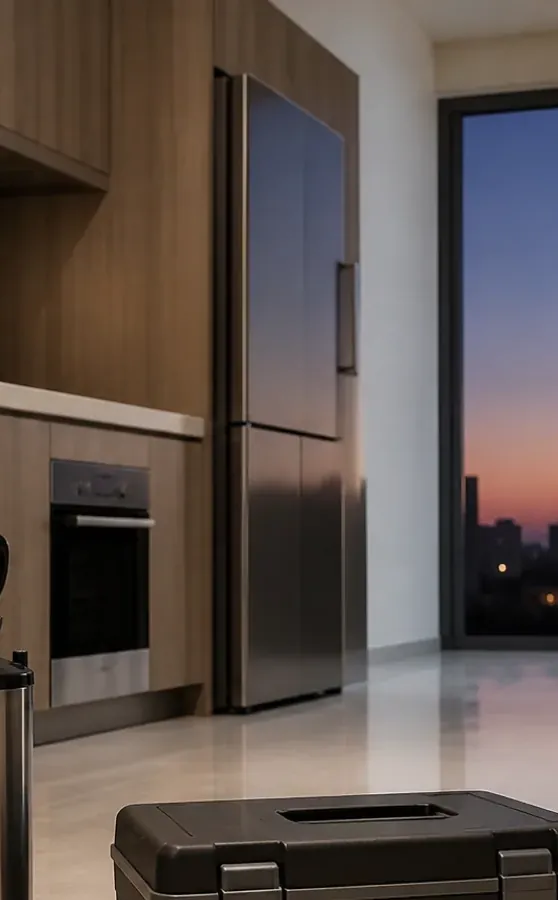
Al Faisaliyah is an older central district of north Jeddah, with dense apartment buildings between a few villas, and King Fahd Road cutting through it with traffic noise. Old flats and worn-smooth floors from decades of use, shared drains and vertical pipes between floors make Al Faisaliyah much like central Jeddah in its problems but with lower density and a busier street.
Worn terrazzo and old ceramic floors show dirt and cooking grease clearly, and fine black dust from the main road clings to them easily. For the method itself, see our guide to pest control.
Al Faisaliyah has multiple apartment blocks with repeated floors, and vertical pipes run shared through all floors with horizontal runs in each storey. This layout means insects travel between flats vertically via gaps around piping easily, one storey to the next.
Sari Street running past the district is packed with restaurants, food shops and banks, a continuous insect source. Ground floor shops beneath or beside flats mean Al Faisaliyah is exposed to insect migration from business premises into homes above.
King Fahd Road carries dense fine black dust, which clings to worn terrazzo and old ceramic. Cooking grease and black road dust together create an attractive environment for insects.
Al Faisaliyah sits between King Fahd Road, Prince Majid Road and Madinah Road, with apartment buildings and some villas interspersed with shops, restaurants and banks on Sari Street. It includes Bugshan Hospital, a University of Jeddah campus and a mosque.
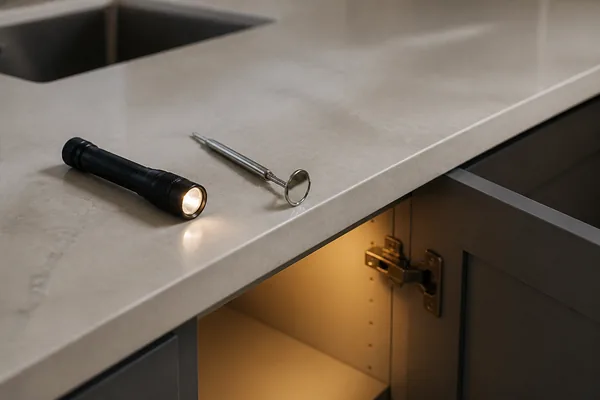
Al Faisaliyah as an older apartment district attracts multiple pest types, most arriving via shared services and ground floor retail.
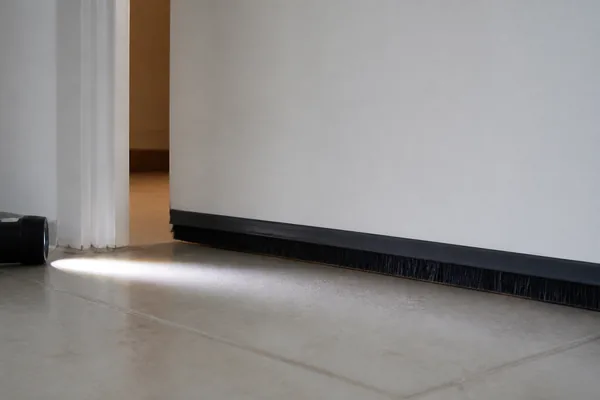
Main sources here are old drains, shared risers and business premises below, not cracks and gaps as first impressions suggest.
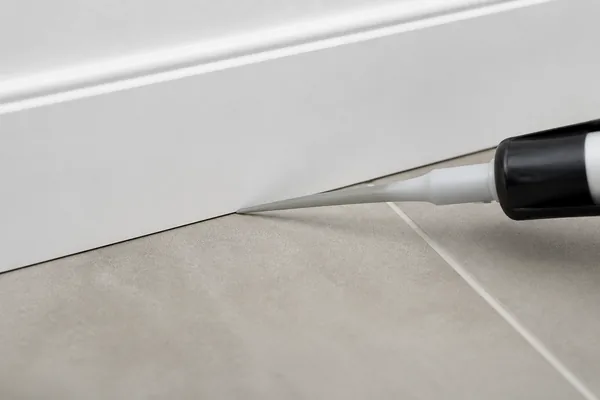
Gaps around vertical risers are narrow and deep, so we focus on sealing active points and known sources precisely.
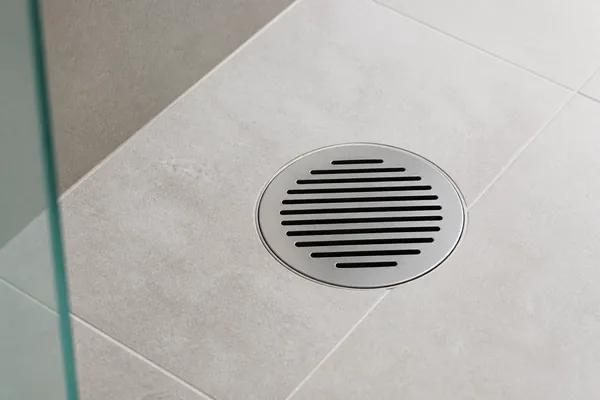
Humidity here is moderate from old drains and bathrooms, not high as in coastal districts.
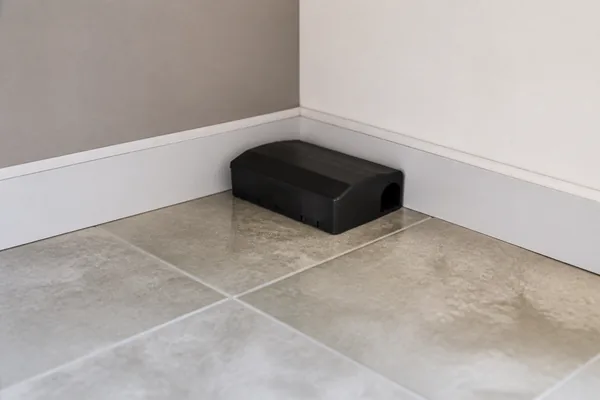
Baiting in shared passages and lobbies matters more than flat interiors because insects use these common routes between units.
Follow-up here sometimes requires neighbour coordination, and we may return twice or more depending on severity and willingness to cooperate.
Droppings, damage and where they appear tell us the pest and roughly where it's nesting.
Gaps around pipes, thresholds and vents are the supply line.
Product goes into voids, cracks and the runways they use, not the open floor.
In the spaces spray can't reach, bait does the work, carried back to reach the nest and the ones that never surface.
Closing the easy entry points turns a constant re-supply into a closed problem, so the treatment isn't fighting a fresh wave every week.
Before leaving we walk the home with you and show you what was treated.
Spraying what walks across the floor is the common mistake we're called in to fix.
The company runs a large crew, and we send a team rather than one person.
Ants, cockroaches and rodents each need different products and placements.
If what you have is a one-off that doesn't need treating, or a structural issue for a builder, we tell you.
Photographs from real jobs carried out by the crew.












The commitment is simple enough to actually keep: we show you what was treated, and we stand behind it within the agreed cover.
Central Jeddah is the old heart of the city: Al Balad with its coral stone houses, and the dense apartment quarters around it with shops beneath the flats. Floors here are often terrazzo or older ceramic tile, worn smooth and easily stained by cooking grease that drifts up from the street. Older kitchens and bathrooms carry heavy scale on taps and around drains, and pipework in the older blocks leaves rust marks in basins. Rugs and curtains take on the fine black dust of the main roads, so they need washing more often than elsewhere.
We provide these in Al Faisaliyah too, and more than one can share a single visit.



