
We treat the source, not the sighting
Spraying what walks across the floor is the common mistake we're called in to fix.

Al Buhairat is an emerging district within Obhur Al Shamaliyah with recently opened land and intensive ongoing construction. Fresh asphalt and new street lighting mark the infrastructure, and homes rise on ground that was empty two years ago. Insects move from the surrounding vacant land and construction sites and scatter across the developing quarter before settling into new houses.
Insects spread quickly in emerging districts because the vacant land around them is a continuous source feeding the population. For the method itself, see how we approach pest control.
Vacant plots and construction sites surrounding new homes are the main breeding ground, and insects move readily from bare earth into new houses. Short distances and gaps between new homes provide open pathways for movement.
Building work, excavation and paving on adjacent sites disturb existing insect populations and drive them toward occupied homes. Each new site that is asphalted brings a wave of displaced insects into neighbouring houses.
New homes and the gaps between them and raw building materials offer countless hiding places. Fresh cracks and voids in newly built houses differ from older construction and require different treatment approaches.
Newly developed residential plots within Obhur Al Shamaliyah subdivisions, internal streets freshly paved and lit, active construction across dozens of kilometres, modern character with gaps between occupied homes.
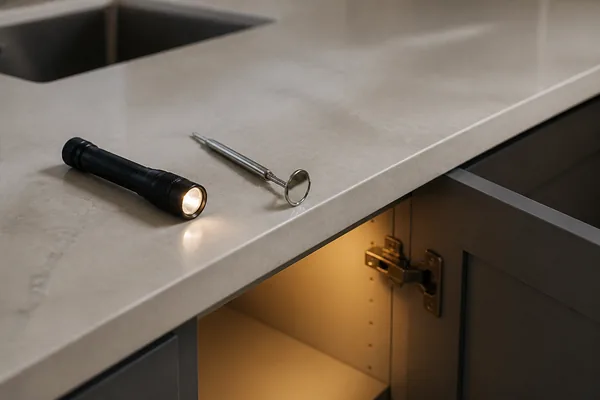
Al Buhairat is a new district where vacant surrounding land is the primary source, so we identify the pest type and track the first wave before any treatment.
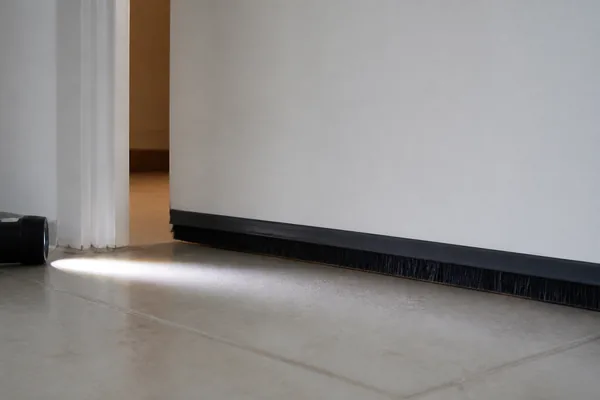
Insects enter from vacant land through ground-level gaps, external walls and open balconies into the house.
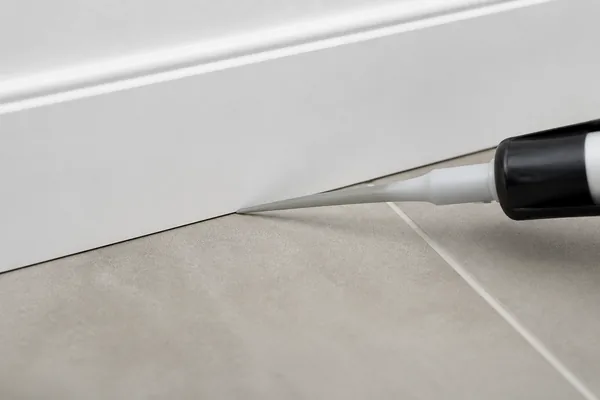
Gaps and cracks in new homes differ from older construction and require treatment matched to new materials and methods.
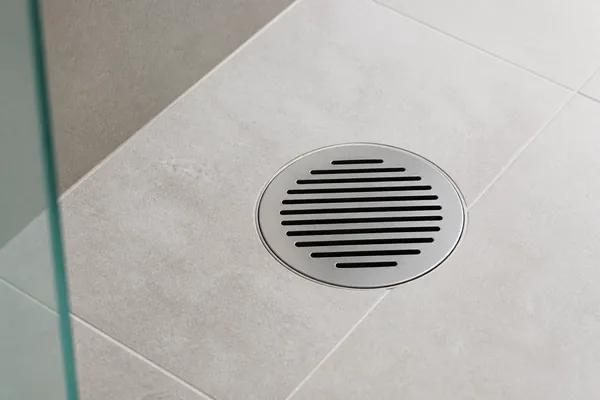
Drains and moisture from new irrigation and construction activity create insect habitat in ground-level voids.
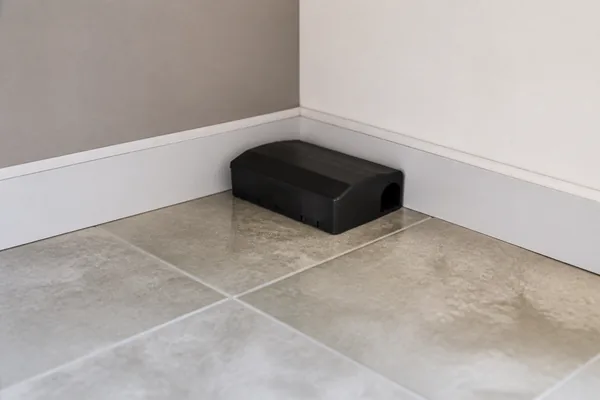
Baits are placed first along ground boundaries and around the house exterior, then inside based on where insects appear.
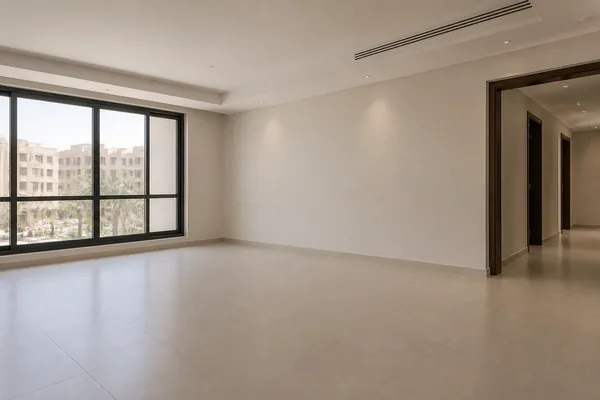
Follow-up tracks construction and paving waves nearby, so we align the schedule with the development phases in the zone.
Droppings, damage and where they appear tell us the pest and roughly where it's nesting.
Gaps around pipes, thresholds and vents are the supply line.
Product goes into voids, cracks and the runways they use, not the open floor.
In the spaces spray can't reach, bait does the work, carried back to reach the nest and the ones that never surface.
Closing the easy entry points turns a constant re-supply into a closed problem, so the treatment isn't fighting a fresh wave every week.
Before leaving we walk the home with you and show you what was treated.
New development: ongoing construction and vacant plots between the homes
A new-development district means your surroundings are vacant land, active construction and working sites. Insects arrive from this open environment in repeated waves, so primary treatment focuses on external perimeter defence and ground-level gaps more than interior treatment.
Spraying what walks across the floor is the common mistake we're called in to fix.
The company runs a large crew, and we send a team rather than one person.
Ants, cockroaches and rodents each need different products and placements.
If what you have is a one-off that doesn't need treating, or a structural issue for a builder, we tell you.
Photographs from real jobs carried out by the crew.












The commitment is simple enough to actually keep: we show you what was treated, and we stand behind it within the agreed cover.
Al Buhairat lies within Obhur Al Shamaliyah near Jeddah Madinah Road and King Abdulaziz Road. We reach homes by the newly paved and lit internal streets, and we coordinate with ongoing construction phases to plan treatment timing correctly.
We provide these in Al Buhairat too, and more than one can share a single visit.



