
We treat the source, not the sighting
Spraying what walks across the floor is the common mistake we're called in to fix.
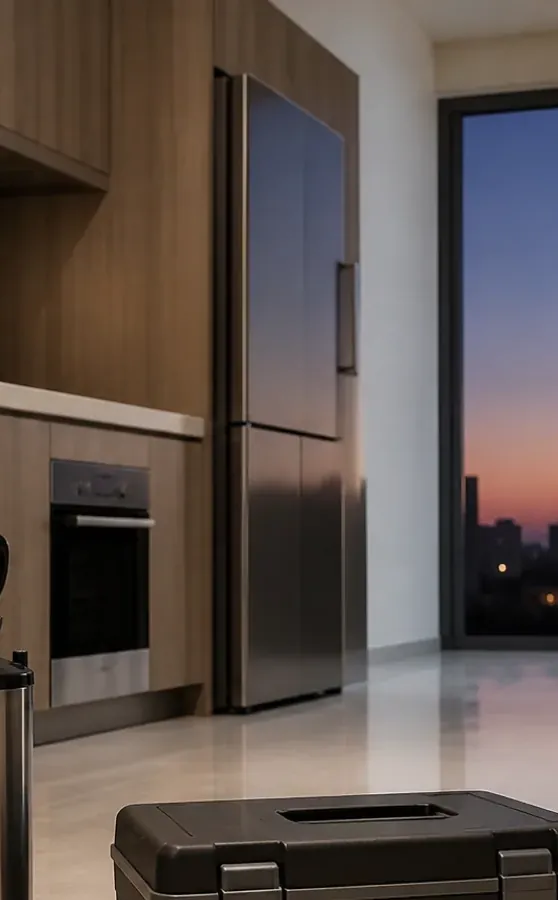
Al Muruj is a newly developed district in north Jeddah within Obhur Al Shamaliyah, marked by vacant plots between homes and ongoing construction and incomplete projects. This means insect habitats change constantly with each new build, and vacant land provides quarries for wild insects. Treatment here needs flexibility because sources move as building develops.
Vacant plots and ongoing construction provide new breeding grounds for wild insects, and the shift from empty land to occupied homes means rising pressure on inhabited flats as areas fill. For the method itself, see the full pest control page.
Vacant plots between homes provide natural insect refuges, and wild grasses and plants offer food and water. When building starts on land beside your flat, insects move quickly from vacant land into new and nearby homes.
Vacant land collects rainwater and building seepage, creating seasonal water resources that draw insects strongly. Short distance from these sources to homes means rapid movement when land dries.
Each new building project creates new gaps and unexpected routes. Replacement homes may not be fully sealed until occupied, leaving open routes for insects from neighbouring land.
A subdivision within Obhur Al Shamaliyah schemes in north Jeddah, mostly newly released land and housing within the city's new urban extension, served by main roads linking it to the Jeddah Madinah Road and King Abdulaziz Road.
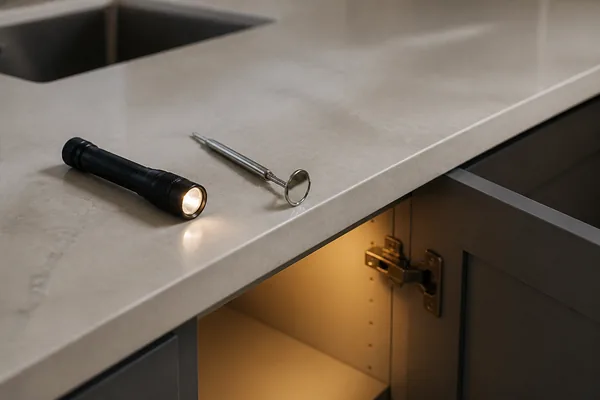
Inspection includes checking neighbouring vacant plots and seasonal water sources, plus new gaps from ongoing construction activity.
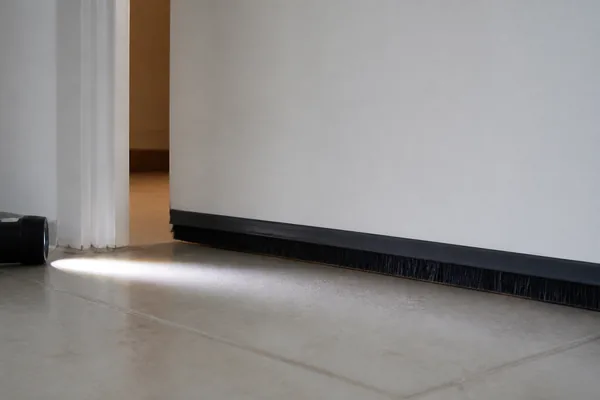
Entry points from outside change with new building, so we focus on fixed gaps and stable points around windows and doors.
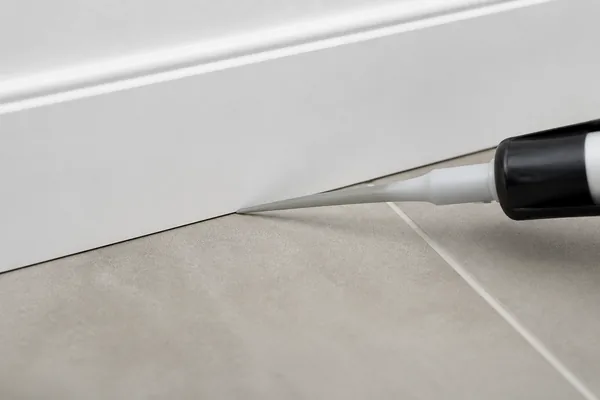
Cracks and gaps are sealed with durable materials and adjustable barriers, because new gaps may appear with each building project.
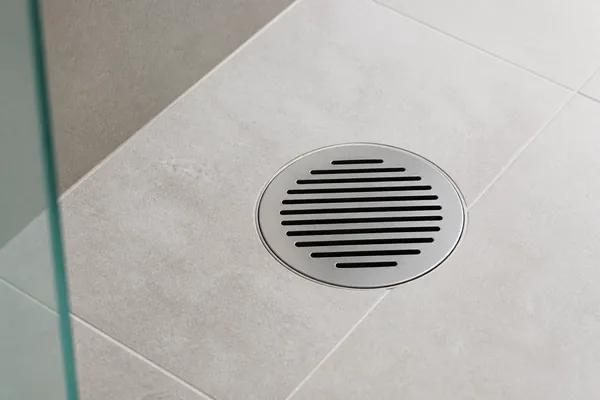
Drains and damp areas around homes need regular checking, because seasonal water sources change with construction.
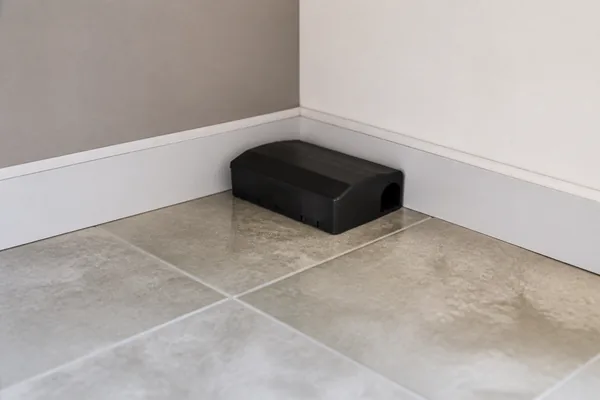
Bait is placed at fixed points and perimeter areas, with regular reassessment for new sources.
Follow-up includes regular checks at least every two months, with plan adjustments when new projects start or neighbouring land changes.
Droppings, damage and where they appear tell us the pest and roughly where it's nesting.
Gaps around pipes, thresholds and vents are the supply line.
Product goes into voids, cracks and the runways they use, not the open floor.
In the spaces spray can't reach, bait does the work, carried back to reach the nest and the ones that never surface.
Closing the easy entry points turns a constant re-supply into a closed problem, so the treatment isn't fighting a fresh wave every week.
Before leaving we walk the home with you and show you what was treated.
Spraying what walks across the floor is the common mistake we're called in to fix.
The company runs a large crew, and we send a team rather than one person.
Ants, cockroaches and rodents each need different products and placements.
If what you have is a one-off that doesn't need treating, or a structural issue for a builder, we tell you.
Photographs from real jobs carried out by the crew.












The commitment is simple enough to actually keep: we show you what was treated, and we stand behind it within the agreed cover.
New development: ongoing construction and vacant plots between the homes
New development means vacant plots and ongoing construction are permanent insect sources. Treatment is not a permanent solution but a repeated programme that adapts to building development and changing surroundings.
We provide these in Al Muruj too, and more than one can share a single visit.



