Pest Control in Al Rimal

Pest Control in Al Rimal, Jeddah

Al Rimal is a very newly developing subdivision in far south Jeddah, sparsely built with vast vacant plots. New foundations, sandy soil and water pooling from rare but heavy rains create a balanced environment for insects. Treatment here balances sealing external entry points with addressing moisture in the damp foundations.

  • A full team, not one person
  • Price agreed before we start
  • Treatment matched to the pest
  • Re-treated if activity returns

What changes about pest control in Al Rimal

Sandy soil drains quickly but retains high moisture in depressions and pooled areas. Insects gather around these wet spots and move from them to newly completed homes nearby. For the method itself, see what pest control involves.

  • The first reason

    Newly exposed foundations with many irregular voids

    Foundations are very new with many irregular voids and gaps. Sandy soil around the foundations provides habitat for insects to live before entering the home. Early treatment at this stage stops insects before they establish in your new house.

  • The second reason

    Water pooling and moisture in low-lying areas

    Sandy soil drains fast, but in depressions and pooled areas, water persists for long periods. This concentrated moisture provides an ideal breeding environment for insects. Insects living around these pools move readily into nearby homes.

  • The third reason

    Vast vacant plots and large distances between homes

    The district is very newly developed with homes far apart. Vast vacant land provides safe shelters for insects away from development. As building increases and homes fill with residents, insects will quickly move to occupied structures.

What pest control covers in Al Rimal

A very newly developed area with sparse building, huge vacant plots, newly exposed foundations, soft sandy soil and water pooling in low-lying areas after rare but heavy rains.

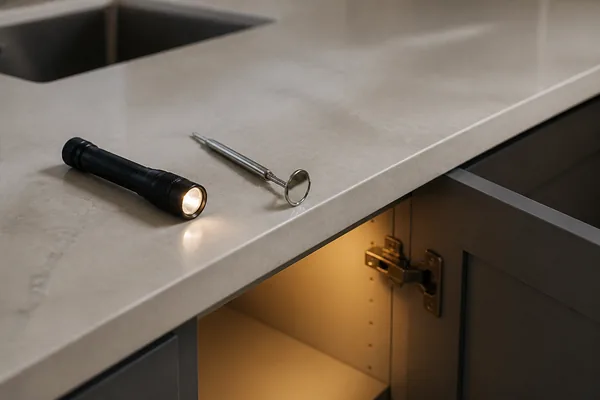
  • Inspection and identification

    Inspection and identification

    Inspection focuses on foundations and sandy soil around them, water pools and damp areas, and trails from outside. Insect species here differ because sandy soil creates a completely different environment from wet clay soil.

  • Entry points and source

    Entry points and source

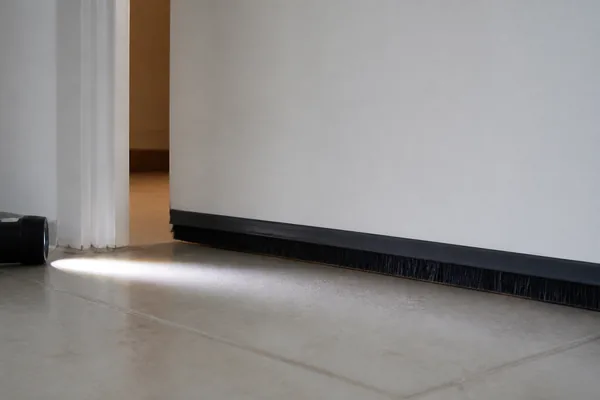
    Entry from outside is obvious: exposed foundations, voids and cracks in stones and concrete, gaps under doors and windows. Entry from water pools is direct from ground level.

  • Treatment in cracks and voids

    Treatment in cracks and voids

    Cracks in foundations and gaps between stones provide ideal pathways. Treatment requires deep injection into cracks, sometimes treating sandy soil around external foundations.

  • Drains and damp areas

    Drains and damp areas

    Moisture in sandy soil is not constantly high except in depressions and pools. Drying may be easier here than in other districts, but treating pooled areas and damp voids is still important.

  • Bait along their routes

    Bait along their routes

    Baits are placed around external foundation perimeters in cracks and gaps, around water pools if present, and under external doors and windows. Interior placement is in corners and voids.

  • A follow-up plan

    A follow-up plan

    Monthly or six-weekly follow-up for at least three months is necessary. After that, quarterly treatment usually suffices, but after heavy rains, additional treatment may be needed if populations increase.

Not included

  • Structural proofing, rebuilding walls or major sealing work
  • Termite soil treatment for new construction, a separate service
  • Removing bird nests, cats, snakes or other wildlife
  • Fumigation of an entire sealed property

How pest control is actually done

  1. 1

    We identify what we're dealing with

    Droppings, damage and where they appear tell us the pest and roughly where it's nesting.

  2. 2

    Find how they're getting in

    Gaps around pipes, thresholds and vents are the supply line.

  3. 3

    Treat where they live and travel

    Product goes into voids, cracks and the runways they use, not the open floor.

  4. 4

    Bait and monitor the hidden runs

    In the spaces spray can't reach, bait does the work, carried back to reach the nest and the ones that never surface.

  5. 5

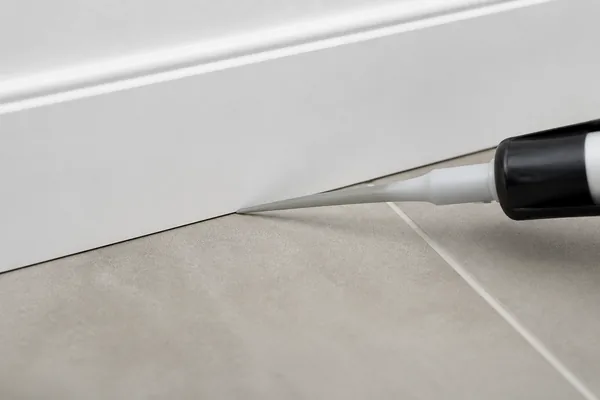
    Seal the gaps we can reach

    Closing the easy entry points turns a constant re-supply into a closed problem, so the treatment isn't fighting a fresh wave every week.

  6. 6

    Follow-up and walk it with you

    Before leaving we walk the home with you and show you what was treated.

The character of Al Rimal

New development: ongoing construction and vacant plots between the homes

A newly developing area with intermittent moisture means insects arrive from foundations and water pools, not from constant dampness. Treatment here focuses on sealing external routes and addressing pooled areas, requiring understanding of insects that live in sandy soil and low-moisture environments.

Why us for this service in particular

We treat the source, not the sighting

Spraying what walks across the floor is the common mistake we're called in to fix.
A full team arrives together

The company runs a large crew, and we send a team rather than one person.

Materials matched to the pest

Ants, cockroaches and rodents each need different products and placements.

We say no when it's no

If what you have is a one-off that doesn't need treating, or a structural issue for a builder, we tell you.

From our work

Photographs from real jobs carried out by the crew.

A bedroom after a full clean
Bedroom at handover
Majlis carpet after washing
Majlis after washing
A majlis after a full clean
Majlis after cleaning
A living room after cleaning
Living room after cleaning
A sitting room after cleaning
Sitting room
A folded towel on a table
The small details
A tidy bedroom after service
Bedroom made up
Mopping a marble floor during work
Marble floors
Washing a stone entrance
Exterior entrances
Cleaning a commercial floor
Commercial floor
Making the bed during work
Bed made
A jacuzzi after descaling
Jacuzzi after cleaning

The job isn't closed until you approve it

The commitment is simple enough to actually keep: we show you what was treated, and we stand behind it within the agreed cover.

What is different about South Jeddah

South Jeddah runs from the port and the industrial city down towards Al Khumrah, and homes here sit between the sea and the heavy goods roads. The dust is darker and oilier than in the north, a mix of diesel soot and workshop grit, and it clings to net curtains, window sills and the tops of kitchen cupboards. Floors in the older low rise housing are often plain cement or ceramic tile that darkens where soot is walked in. Humidity from the coast adds mildew in bathrooms and a musty smell in stored fabrics.

Questions about pest control in Al Rimal

When should I start treating a brand-new home in Al Rimal?

Just before moving in, treatment is very important because the foundations and surrounding soil are damp from construction. Early treatment stops insects before they establish in your new home.

Are the vast vacant plots an endless source of insects?

Vacant land provides a natural habitat, but as homes increase and residents move in, insects will spread into the occupied properties. Treating your home and external perimeter stops most of them, but some may arrive as long as plots remain empty.

Do water pools after rain attract large insect populations?

Yes, pooled water in sandy soil creates ideal insect breeding conditions. Insects gather around pools in large numbers. After each rainfall, populations may spike; treatment may need repetition if you see increases after rain.

Is treating the garden and foundations more important than treating inside?

Yes, external foundations and perimeter are the primary source. Treating outside stops insects before entry. Interior treatment handles what got through, but the key is sealing external entry points.

Do insects come from neighbouring new homes or only from the vacant plots?

From both. Vacant land is a continuous source, and neighbouring new homes may transfer insects if your treatment is close to property lines. Coordinating with neighbours helps, but strong external perimeter treatment is most important.

How often do I need treatment because of water pooling and rare heavy rain?

Initial treatment before moving in, then monthly follow-up for three months. After that, quarterly treatment usually suffices, but after any heavy rainfall, you may need additional treatment if you notice a population spike.

Will one visit get rid of them?

It depends on the pest. Ants and light infestations often clear in one visit. Cockroaches and rodents usually need a follow-up to catch the next generation as eggs hatch. We tell you which at inspection, before you pay.

Why did the pests come back after I sprayed myself?

Surface spray kills what it touches and leaves the nest working, so the population refills within days. Lasting control reaches the harbourage and closes the gaps they're entering through, which is what the visit is built around.

How much does pest control in Al Rimal cost?

It is set after the inspection, because it follows the size of the job, the materials involved and their condition. Send photos on WhatsApp and we will give you an estimate before we reach Al Rimal.

Other services in Al Rimal

We provide these in Al Rimal too, and more than one can share a single visit.

Pest Control in districts near Al Rimal

Need pest control in Al Rimal?

We reach Al Rimal at a time we agree, and you get the full cost before we start.

Call WhatsApp