
We treat the source, not the sighting
Spraying what walks across the floor is the common mistake we're called in to fix.
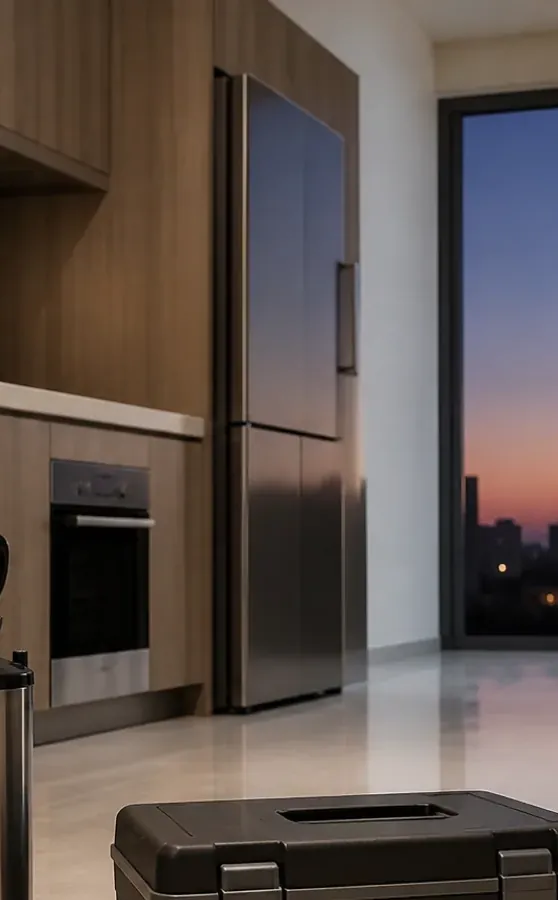
Al Wadiyah is a new neighbourhood in northeast Jeddah near Wadi Obhur and Sharm Obhur, where building is still ongoing with wide vacant plots and active development. Insects live in this untreated earth and raw soil, and new homes built over this ground receive their first families with an existing insect population from day one. The neighbourhood remains partially developed with continuous disturbance to the natural ground.
Insects in Al Wadiyah breed rapidly in untreated earth and vacant plots, and ongoing construction awakens millions of dormant insects from the soil and drives them towards newly built homes. For the method itself, see the full pest control page.
Al Wadiyah is rapidly growing neighbourhood built on earth that has never been treated. Ongoing construction and excavation awaken millions of dormant insects from natural soil. Every new home is built on untreated foundations, and insects from the earth climb directly into it.
Al Wadiyah lies near Wadi Obhur and Sharm Obhur, and soil round these channels is perpetually damp. Natural moisture provides an ideal environment for moisture loving insects. New homes built over this damp earth contain insects from the start.
Al Wadiyah is an incomplete development, wide vacant plots lie between new homes. Building continues at all the edges, and each new project awakens insects that crawl towards nearby homes.
Wide stretches of raw earth near wadis and natural channels, and building continues rapidly within an incomplete master plan. Damp soil near wadis creates a special environment for moisture loving insects.
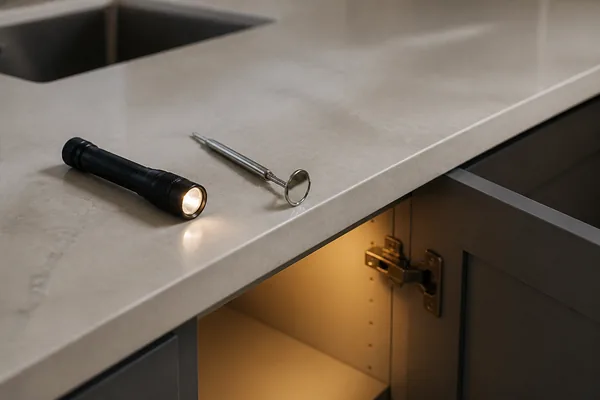
In Al Wadiyah, identification focuses on raw soil species and moisture loving insects living in natural earth before the building phase.
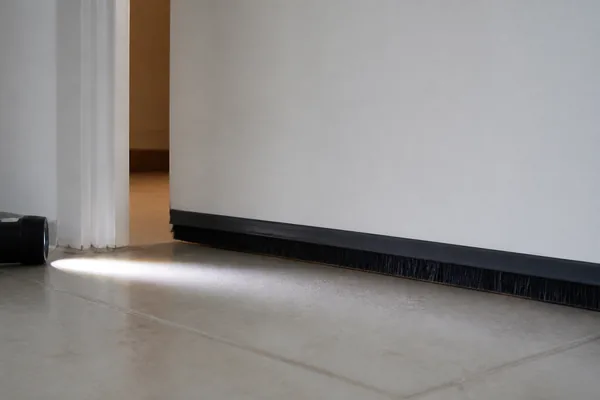
We trace crawling routes from vacant plots and active construction through gaps beneath foundations and floor slabs.
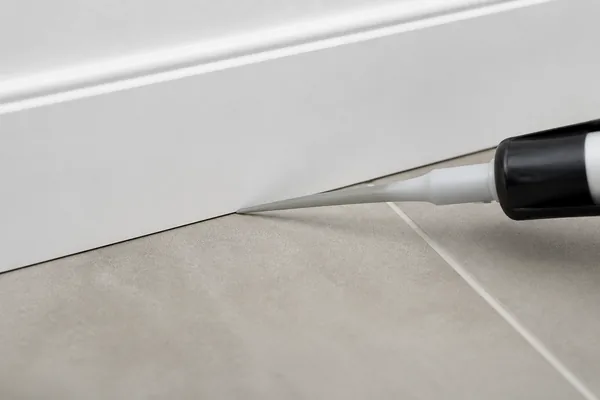
Hairline cracks in foundations and voids round buried pipes are the main corridors, and we treat these before final paving is laid.
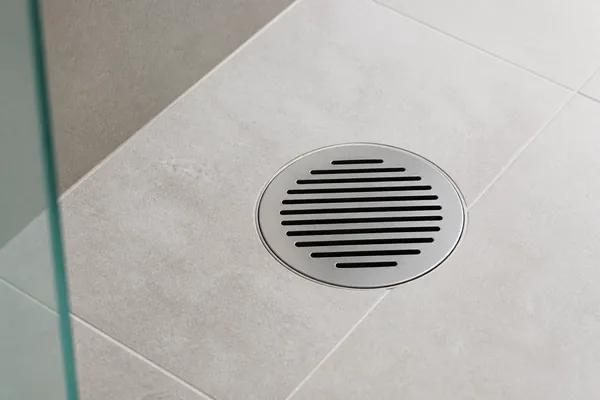
Damp soil and drains round foundations and near wadis provide water, and we treat surrounding areas with special care.
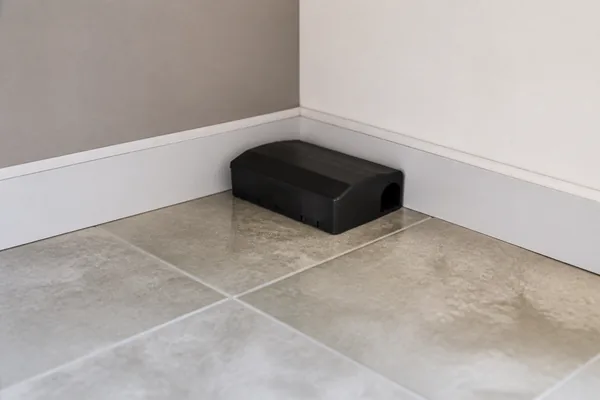
We place baits in lines round the home perimeter, vacant plots and adjacent active construction.
Follow up in Al Wadiyah must continue while building proceeds, and the problem ends only once the neighbourhood is fully developed.
Droppings, damage and where they appear tell us the pest and roughly where it's nesting.
Gaps around pipes, thresholds and vents are the supply line.
Product goes into voids, cracks and the runways they use, not the open floor.
In the spaces spray can't reach, bait does the work, carried back to reach the nest and the ones that never surface.
Closing the easy entry points turns a constant re-supply into a closed problem, so the treatment isn't fighting a fresh wave every week.
Before leaving we walk the home with you and show you what was treated.
Spraying what walks across the floor is the common mistake we're called in to fix.
The company runs a large crew, and we send a team rather than one person.
Ants, cockroaches and rodents each need different products and placements.
If what you have is a one-off that doesn't need treating, or a structural issue for a builder, we tell you.
Photographs from real jobs carried out by the crew.












The commitment is simple enough to actually keep: we show you what was treated, and we stand behind it within the agreed cover.
New development: ongoing construction and vacant plots between the homes
In a new development like Al Wadiyah, preventive treatment during the building phase offers years of protection, but ongoing construction and vacant plots remain a continuous reservoir. Regular follow up remains necessary until the entire neighbourhood is complete.
We provide these in Al Wadiyah too, and more than one can share a single visit.



