
We treat the source, not the sighting
Spraying what walks across the floor is the common mistake we're called in to fix.

Al Firdous is an inland district set between major roads and newer residential subdivisions, bordered by neighbouring quarters that share its humidity and traffic patterns. Insects here find multiple routes across villas, apartments and developments, and treatment requires understanding the network those buildings form together.
Adjoining villas and back-to-back apartment blocks here offer easy routes between structures, and the narrow gaps between buildings and shared foundations make source tracking more intricate than it is in purpose-built newer districts. For the method itself, see how we approach pest control.
Villas and apartments sit very close together, and gaps between them allow pests to migrate freely from one structure to another. Tracing one infestation source may reveal colonies in nearby neighbours, meaning treatment spans a wider area than the initial complaint building.
Some subdivisions are recent with deep foundations, others are older with legacy drainage systems beneath them. Pests use these utilities as primary highways, and reaching them demands precise knowledge of the underground layout for each block.
Closeness between buildings traps moisture in tight passages and shaded zones between villas and flats. This dark, humid environment attracts pests, and treatment focuses on these moisture-sheltered areas where insects congregate.
A mixed residential zone of new villas, apartments and subdivisions creates a complex environment for pest movement between neighbouring buildings and shared infrastructure.
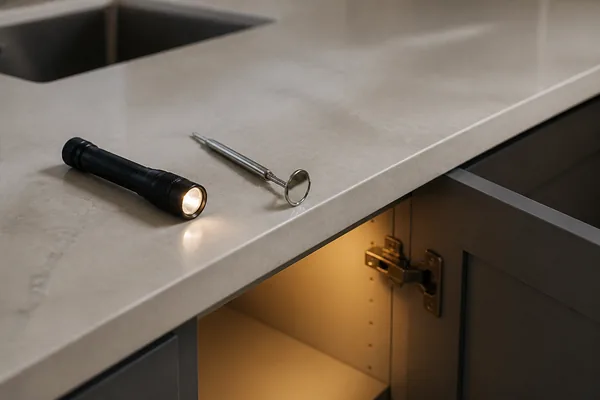
Inspection here must cover the narrow passages between structures and side routes, where pests often shelter in permanent shadow away from open sight.
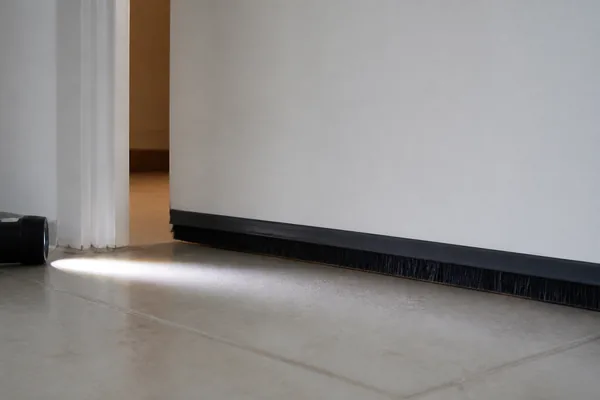
Entry points are multiple: foundation gaps, subsurface passages and tight separations between adjoining residential units all serve as pest corridors.
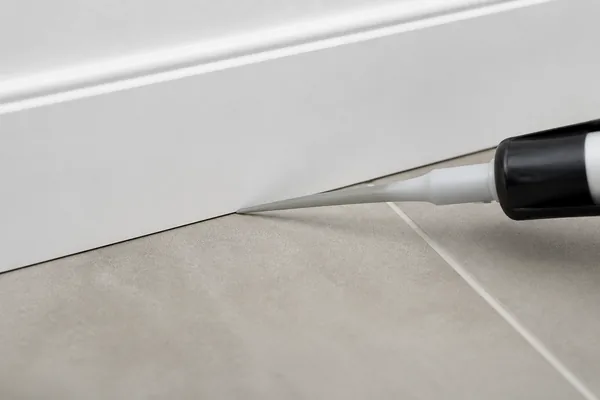
Cracks and gaps between villas and apartments need separate treatment from interior work, as they form primary transit routes through the district.
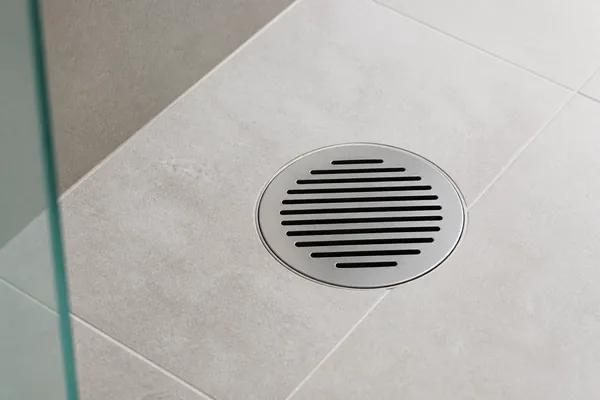
Drains here may be shared across several units, and moisture pools in narrow passages and shaded external zones.
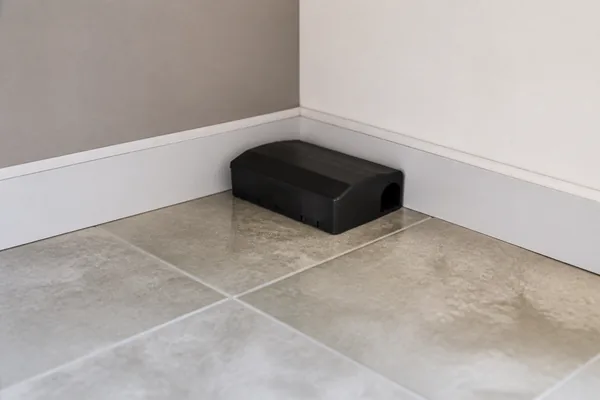
Baits are laid in side passages and voids between buildings and along property lines where adjacent homes meet.
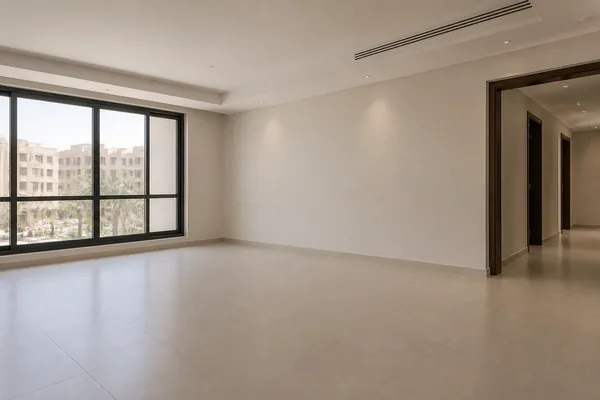
Follow-up concentrates on external passages and gaps, as re-infestation from neighbouring buildings is inevitable without treating the perimeter completely.
Droppings, damage and where they appear tell us the pest and roughly where it's nesting.
Gaps around pipes, thresholds and vents are the supply line.
Product goes into voids, cracks and the runways they use, not the open floor.
In the spaces spray can't reach, bait does the work, carried back to reach the nest and the ones that never surface.
Closing the easy entry points turns a constant re-supply into a closed problem, so the treatment isn't fighting a fresh wave every week.
Before leaving we walk the home with you and show you what was treated.
Spraying what walks across the floor is the common mistake we're called in to fix.
The company runs a large crew, and we send a team rather than one person.
Ants, cockroaches and rodents each need different products and placements.
If what you have is a one-off that doesn't need treating, or a structural issue for a builder, we tell you.
Photographs from real jobs carried out by the crew.












The commitment is simple enough to actually keep: we show you what was treated, and we stand behind it within the agreed cover.
Work in Al Firdous is mapped from Madinah Road at the district's edge and the deep foundations near Prince Abdulmajeed Road, with each villa and apartment positioned within this tight geographic network.
We provide these in Al Firdous too, and more than one can share a single visit.



