
We treat the source, not the sighting
Spraying what walks across the floor is the common mistake we're called in to fix.
Al Mulaisa is a very new residential subdivision on Al Lith Road in south Jeddah where most subdivided plots remain undeveloped and construction has only just begun. Residential plots are surrounded by raw ground before building, and utilities including paving and street lighting are incomplete. Insects and grubs are abundant in open soil before construction starts, and the first villas built attract them in force.
Al Mulaisa develops more slowly than neighbouring subdivisions. Construction has only begun, and subdivided plots far outnumber finished homes. Raw soil around each villa is teeming with insects and larvae. For the method itself, see how we approach pest control.
The subdivision is still in very early stages, with construction only beginning. Most plots remain unimp, and raw soil retains insects and larvae in high density. The first villas built become powerful pest magnets.
Paving, lighting and drainage systems are not yet complete. Exposed ground and open channels around new villas provide shelter and breeding sites for insects.
The earliest villas built in the new subdivision attract all insects from surrounding raw soil. This differs from villas in a completed scheme where pest pressure is distributed across many buildings.
South Jeddah runs from the port and industrial city down towards Al Khumrah, with homes positioned between the sea on one side and heavy lorry routes on the other. Dust is darker and oilier than the north, a blend of diesel soot and workshop grit.
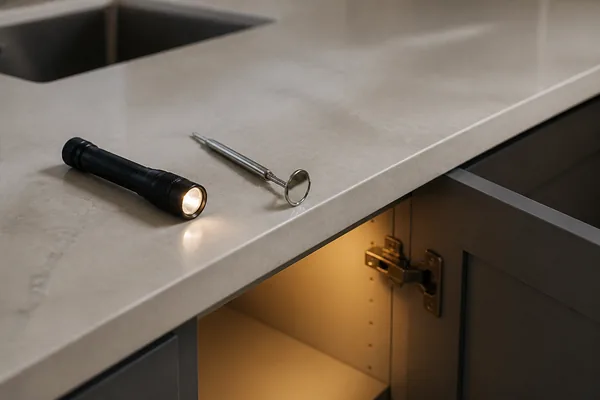
Raw soil around the new villa is the primary source, and inspection focuses on foundation openings and low points around the building.
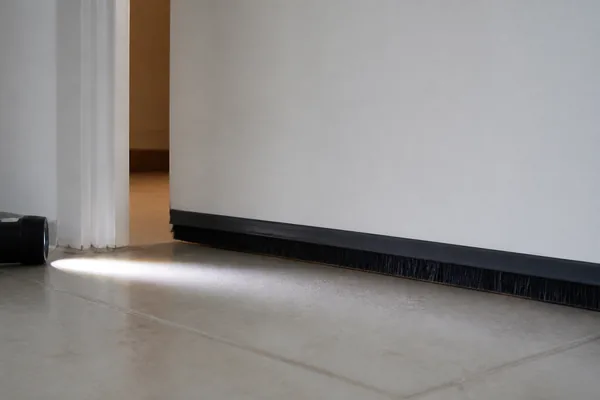
Incomplete utilities provide additional shelter, and unfinished drainage may need targeted treatment.
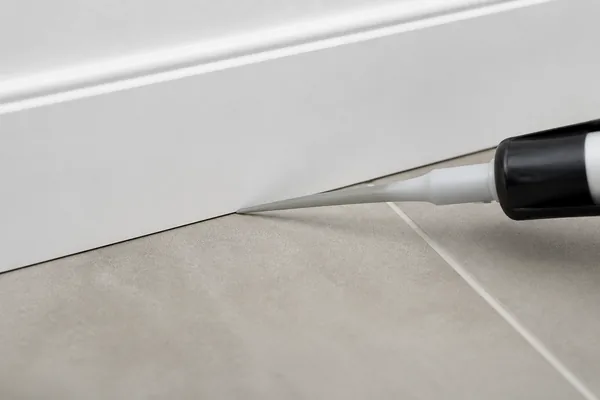
Factory gaps require careful inspection and unburied pipes may need additional protection.
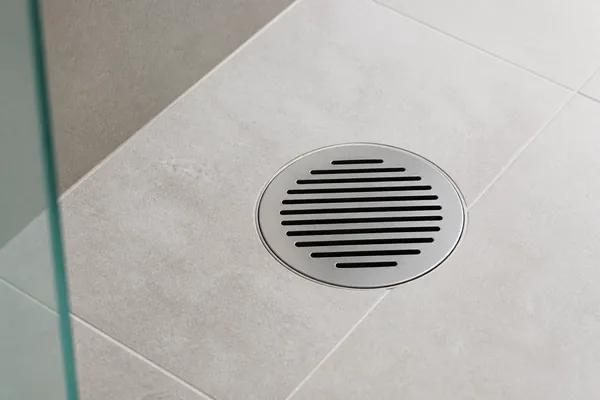
Open channels and incomplete drainage may offer direct insect entry, and sealing voids may be part of treatment.
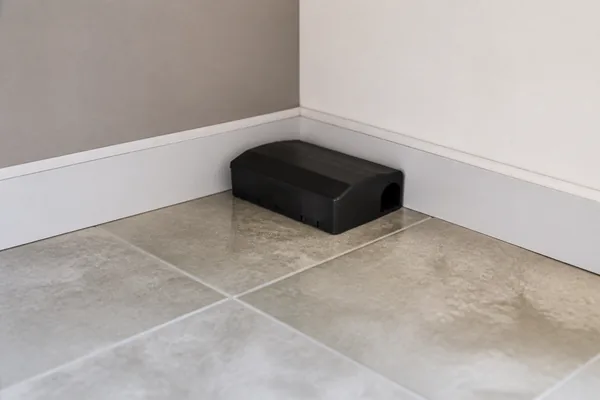
Exterior perimeter baits take priority over interior placement, as pressure comes from surrounding soil.
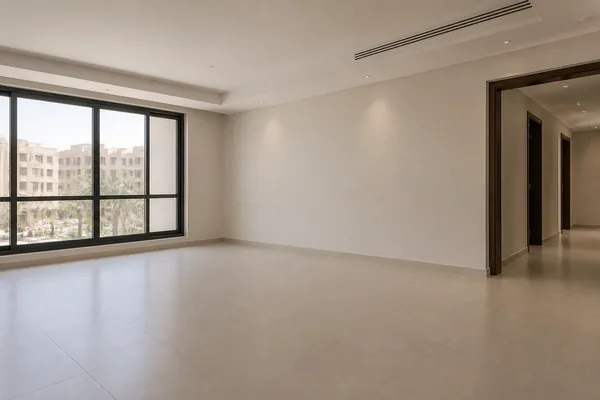
Follow-up focuses on new gaps and regular inspection of entry points and incomplete utilities.
Droppings, damage and where they appear tell us the pest and roughly where it's nesting.
Gaps around pipes, thresholds and vents are the supply line.
Product goes into voids, cracks and the runways they use, not the open floor.
In the spaces spray can't reach, bait does the work, carried back to reach the nest and the ones that never surface.
Closing the easy entry points turns a constant re-supply into a closed problem, so the treatment isn't fighting a fresh wave every week.
Before leaving we walk the home with you and show you what was treated.
New development: ongoing construction and vacant plots between the homes
A brand new subdivision with early stage development means very high pest pressure from raw ground. The first villas built attract all insects around them, requiring stronger and more frequent treatment than in completed districts.
Spraying what walks across the floor is the common mistake we're called in to fix.
The company runs a large crew, and we send a team rather than one person.
Ants, cockroaches and rodents each need different products and placements.
If what you have is a one-off that doesn't need treating, or a structural issue for a builder, we tell you.
Photographs from real jobs carried out by the crew.












The commitment is simple enough to actually keep: we show you what was treated, and we stand behind it within the agreed cover.
Work in Al Mulaisa is organized from Al Lith Road, locating villas near the Ring Road. Extensive vacant land around each villa means fixed landmarks are sparse, so we use open drainage channels and incomplete service infrastructure as navigation markers.
We provide these in Al Mulaisa too, and more than one can share a single visit.



