
We treat the source, not the sighting
Spraying what walks across the floor is the common mistake we're called in to fix.
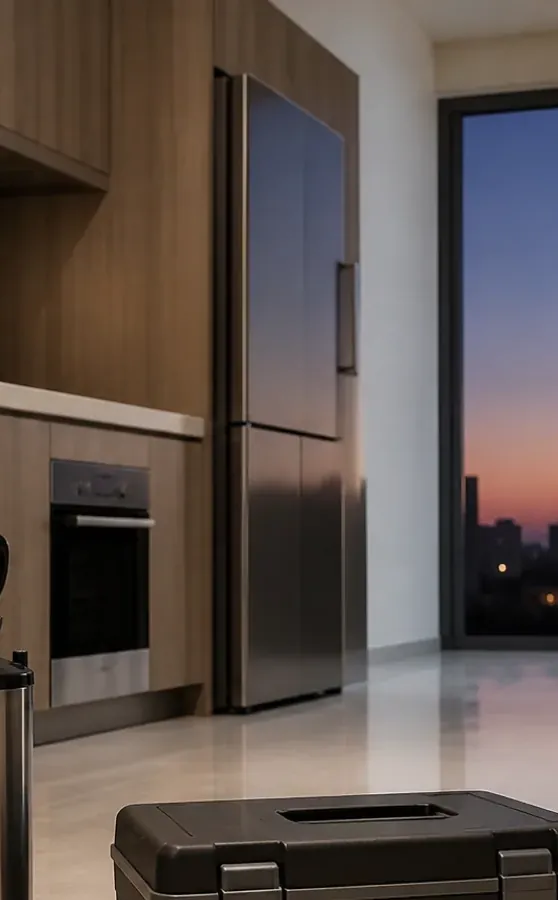
Historic Jeddah is the ancient heart of the city, with stone and timber merchant houses in the roshan style dating to the fifteenth and sixteenth centuries, divided into four old quarters within the historic city wall and home to traditional markets. Floors of aged terrazzo and older tile worn smooth absorb cooking grease rising from the streets. The hollow stone walls and old pipework create a perfect maze for pest colonies. Commercial shops on ground floors connect directly with residential flats above, complicating the infestation pattern.
Terrazzo and older ceramic floors are worn smooth from centuries of use, and they absorb cooking grease drifting up from the streets. Old pipework leaves rust marks in basins, and rugs and curtains collect the fine black dust from main roads, requiring frequent washing. For the method itself, see the full pest control page.
Heritage buildings are constructed with traditional stone methods, and walls are often hollow inside. These internal voids provide a complete maze where pests establish safely and breed undisturbed. Eliminating insects from these hollow walls requires specialist treatment reaching inside the cavities, not just surface spraying.
Pipe runs and electrical conduits in old buildings may date back decades, and gaps around them are large and poorly sealed. Pests use these runs as rapid transit routes between floors and adjacent units. Treatment must reach inside the runs and around all gaps where they pass through walls.
Ground floor commercial units connect to flats above through shared pipes, ducts and common gaps. Pests move easily from shop to flat and back again. Treating one flat alone is ineffective if the shop below or neighbours are infested, because the problem is structural, not confined to a single unit.
Al Balad historic district in central Jeddah contains heritage stone and timber buildings in roshan style within the old city wall. Streets are narrow and buildings tightly packed, with old kitchens and bathrooms carrying heavy mineral scale and rust deposits.
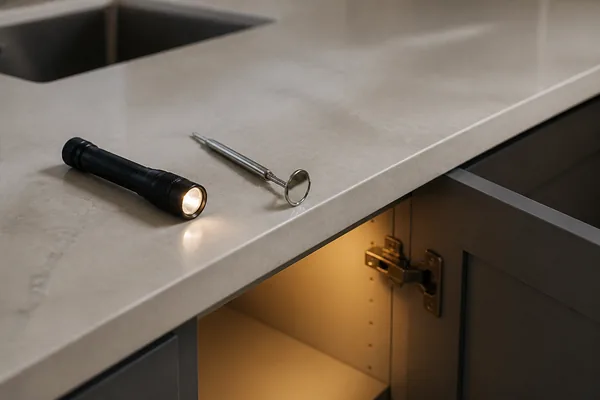
Identifying pest species in Al Balad requires considerable time because internal cavities may not be visible from outside. We inspect walls, pipework, floors and old timber with extreme care and precision.
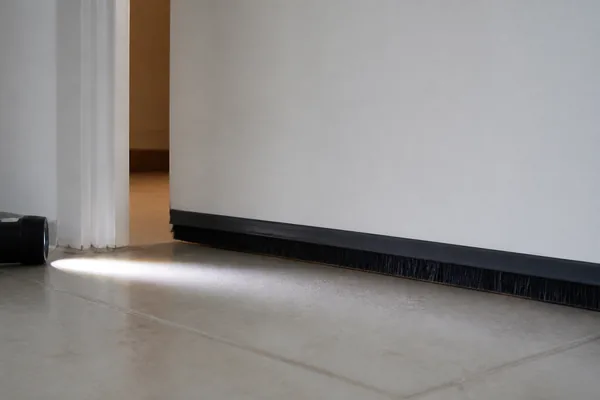
We trace pests from hollow walls, old pipework and shared gaps between units and commercial sections. The source is often hidden inside walls, so tracing requires deep investigation.
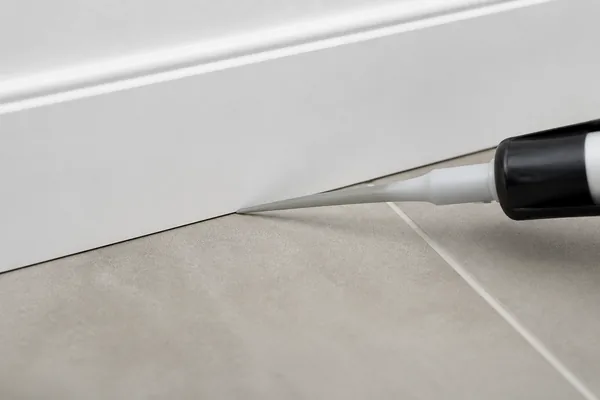
Cracks and gaps around old pipes and worn flooring need careful deep treatment. These gaps are the primary pest highways.
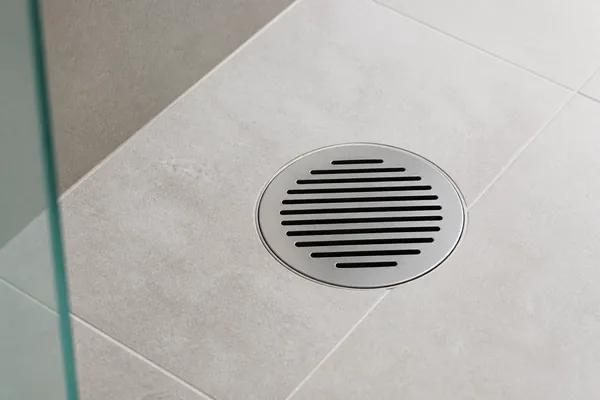
Drains and moisture from old kitchens and bathrooms collect sediment and attract pests heavily. We treat drains and gaps around pipes with strong materials designed for long duration.
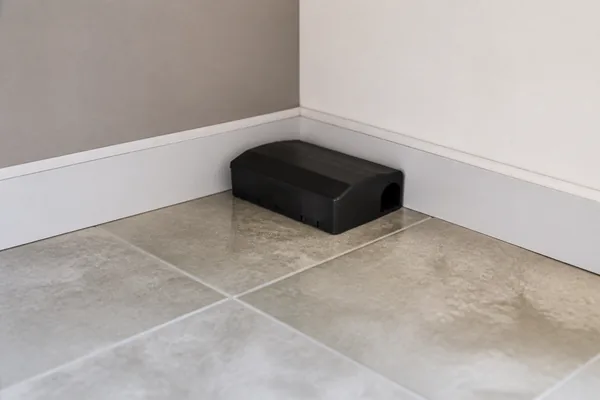
Baiting is placed deep inside voids, corners and pipe runs, because pests shelter in deep dark spaces inaccessible from the surface.
Follow-up is very frequent because the old environment provides stable long-term pest habitat. We inspect walls, pipework, gaps and all access points, and treatment may need repetition several times before establishment is fully stopped.
Droppings, damage and where they appear tell us the pest and roughly where it's nesting.
Gaps around pipes, thresholds and vents are the supply line.
Product goes into voids, cracks and the runways they use, not the open floor.
In the spaces spray can't reach, bait does the work, carried back to reach the nest and the ones that never surface.
Closing the easy entry points turns a constant re-supply into a closed problem, so the treatment isn't fighting a fresh wave every week.
Before leaving we walk the home with you and show you what was treated.
Historic Jeddah contains traditional markets such as Souk Al Alawi and Souk Al Nada woven through a network of narrow lanes. Access to homes and flats here depends on intimate knowledge of the old quarter's street layout and interconnections. Tracing pests requires deep understanding of the heritage buildings' internal structure and how units are connected through shared voids and ancient services.
Spraying what walks across the floor is the common mistake we're called in to fix.
The company runs a large crew, and we send a team rather than one person.
Ants, cockroaches and rodents each need different products and placements.
If what you have is a one-off that doesn't need treating, or a structural issue for a builder, we tell you.
Photographs from real jobs carried out by the crew.












The commitment is simple enough to actually keep: we show you what was treated, and we stand behind it within the agreed cover.
Central Jeddah is the old heart of the city: Al Balad with its coral stone houses, and the dense apartment quarters around it with shops beneath the flats. Floors here are often terrazzo or older ceramic tile, worn smooth and easily stained by cooking grease that drifts up from the street. Older kitchens and bathrooms carry heavy scale on taps and around drains, and pipework in the older blocks leaves rust marks in basins. Rugs and curtains take on the fine black dust of the main roads, so they need washing more often than elsewhere.
We provide these in Historic Jeddah too, and more than one can share a single visit.



