
We treat the source, not the sighting
Spraying what walks across the floor is the common mistake we're called in to fix.
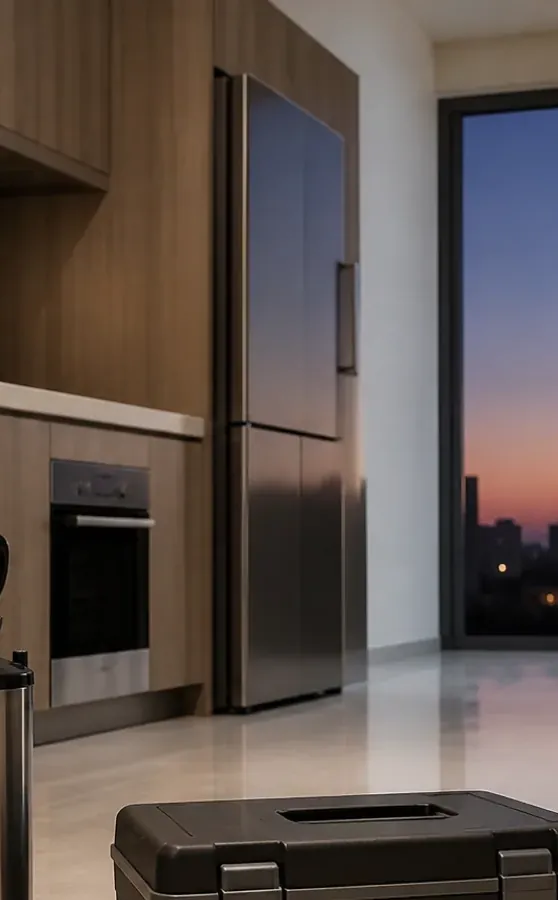
Al Wadi is an industrial zone in south Jeddah dominated by warehouses, workshops and logistics operations. Dark oily dust from diesel soot and workshop grit creates an insulating layer on walls and gaps, and insects shelter easily beneath it. The oily environment makes treatment more difficult and follow-up essential.
Surfaces and corners under oily dust are dark and cool, making them perfect shelters for insects and harder to treat effectively. For the method itself, see the full pest control page.
Diesel soot and fine particles settle on walls and in gaps, forming an insulating layer that shields insects from surface treatments and spray.
Grease and oil from workshops leave a coating on surfaces that reduces material adhesion, requiring a different treatment approach than clean environments.
Old cement floors in warehouses are cracked and allow insects to enter from below and live in the fissures, requiring deep penetrating treatment.
The industrial area accumulates diesel dust, metal particles and workshop soot that cling to walls, foundations and cracks, creating an ideal hiding environment for insects.
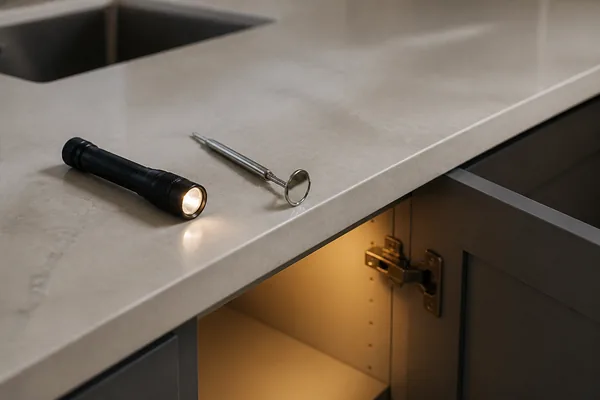
Inspection focuses on oily layers and soot on walls and foundations, because this is where insects hide primarily.
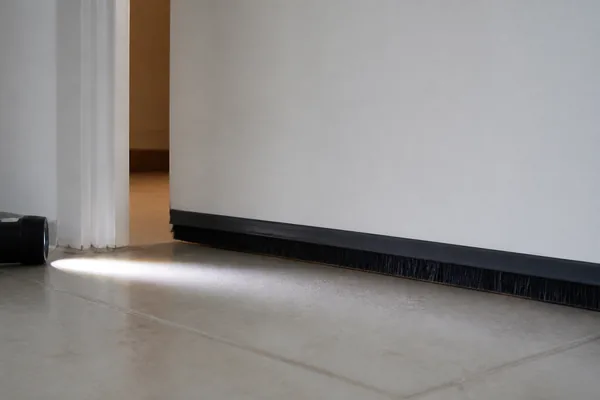
We trace entry points from cracked flooring and gaps around doors and pipes, with emphasis on shaded cool areas.
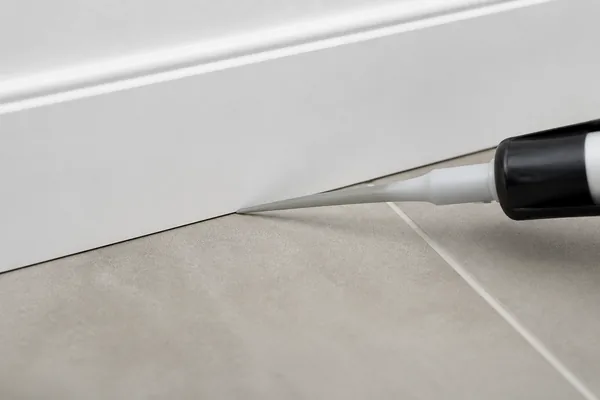
Cracks in cement and the foundation require deep penetration, with material chosen according to crack depth and width.
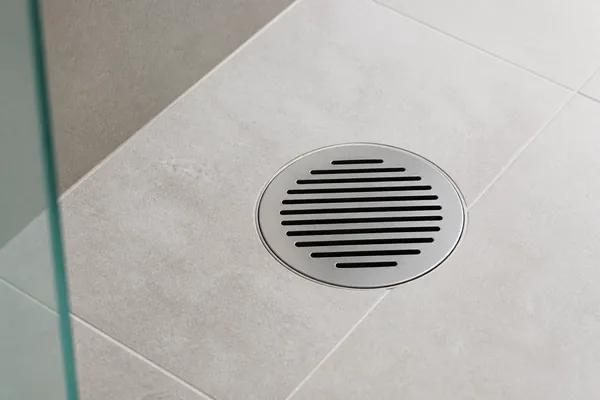
Damp corners and areas under debris need special attention because insects hide there and dust insulates them.
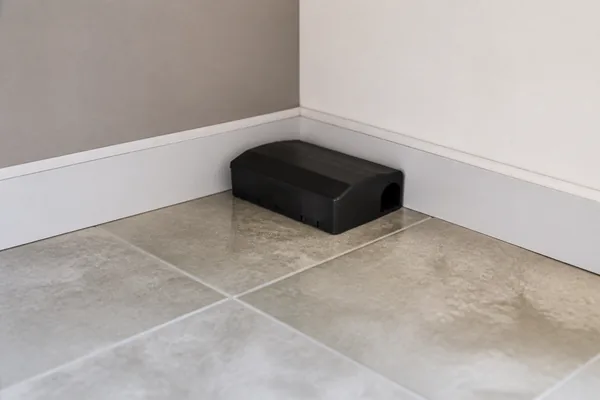
Baits are placed abundantly in cracks, corners and shaded areas rather than in zones of continuous movement.
Follow-up checks focus on new oily layers and replenishing baits in heavily contaminated zones.
Droppings, damage and where they appear tell us the pest and roughly where it's nesting.
Gaps around pipes, thresholds and vents are the supply line.
Product goes into voids, cracks and the runways they use, not the open floor.
In the spaces spray can't reach, bait does the work, carried back to reach the nest and the ones that never surface.
Closing the easy entry points turns a constant re-supply into a closed problem, so the treatment isn't fighting a fresh wave every week.
Before leaving we walk the home with you and show you what was treated.
Industrial area: workshops, warehouses and loading yards
In an industrial area, dust, oil and soot create a protective environment for insects. Treatment requires regular follow-up and may need cleaning of heavily contaminated areas before application.
Spraying what walks across the floor is the common mistake we're called in to fix.
The company runs a large crew, and we send a team rather than one person.
Ants, cockroaches and rodents each need different products and placements.
If what you have is a one-off that doesn't need treating, or a structural issue for a builder, we tell you.
Photographs from real jobs carried out by the crew.












The commitment is simple enough to actually keep: we show you what was treated, and we stand behind it within the agreed cover.
South Jeddah runs from the port and the industrial city down towards Al Khumrah, and homes here sit between the sea and the heavy goods roads. The dust is darker and oilier than in the north, a mix of diesel soot and workshop grit, and it clings to net curtains, window sills and the tops of kitchen cupboards. Floors in the older low rise housing are often plain cement or ceramic tile that darkens where soot is walked in. Humidity from the coast adds mildew in bathrooms and a musty smell in stored fabrics.
We provide these in Al Wadi too, and more than one can share a single visit.



