
We treat the source, not the sighting
Spraying what walks across the floor is the common mistake we're called in to fix.
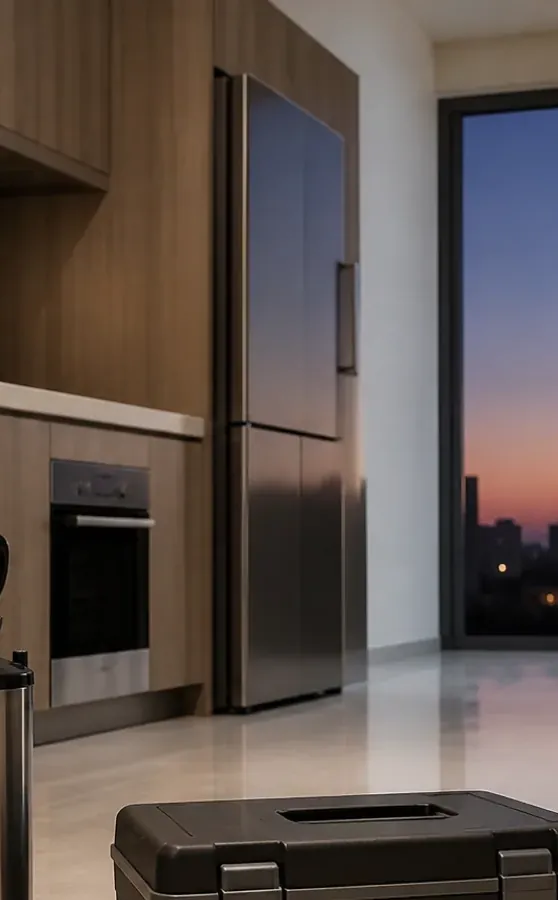
Al Rawdah is an established central district along Madinah Road where functions overlap: restaurants, cafes and hotels operate at street level with residential apartments and office buildings above. Pests here benefit from the food supply and the bustle of night-time trade, moving easily between the mixed uses stacked in a single building.
Insects in Al Rawdah are tightly bound to the rhythm of restaurants, hotels and cafes. Food, oils and scraps accumulate in commercial kitchens and stores, creating an ideal breeding ground, and pests migrate upward with ease into flats above the shops. For the method itself, see our pest control service in detail.
Restaurants, hotels and cafes operate into late hours, and food waste, oils and debris accumulate in kitchens and stores. Insects feed and breed at high density here, using water pipes and sub-floor passages to climb into apartments above the shops.
Shops receive customers and deliveries through constantly open doors until late evening. This unbroken foot traffic provides perpetual entry points for pests, and treatment needs a strategy to interrupt this repeated inflow.
A single building may hold a commercial unit at ground level and a residential flat above it, with shared pipes and drains between them. Pests migrate vertically with ease, and treatment requires coordination between shop owner and residents.
A commercial-residential zone in the heart of Jeddah dominated by restaurants, hotels and tall apartment buildings, characterised by high humidity and continuous foot traffic.
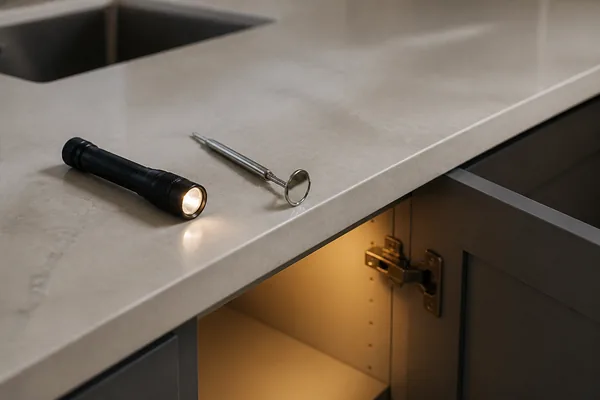
Inspection in Al Rawdah concentrates on commercial kitchens and stores on the ground floor, and on pipes and passages linking the commercial tier to residential levels.
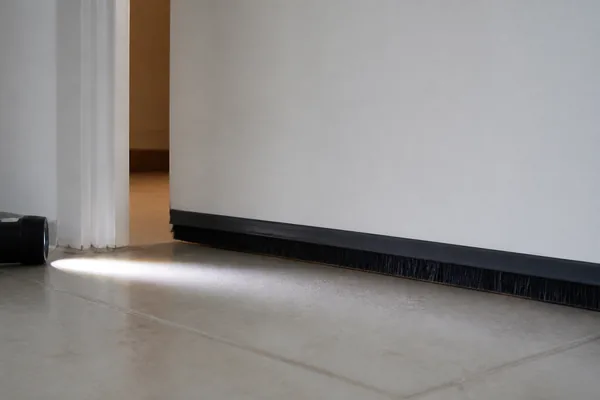
Primary entry points are the constantly open shop doors, cracks around pipes and drains, and gaps between commercial and residential uses within the same structure.
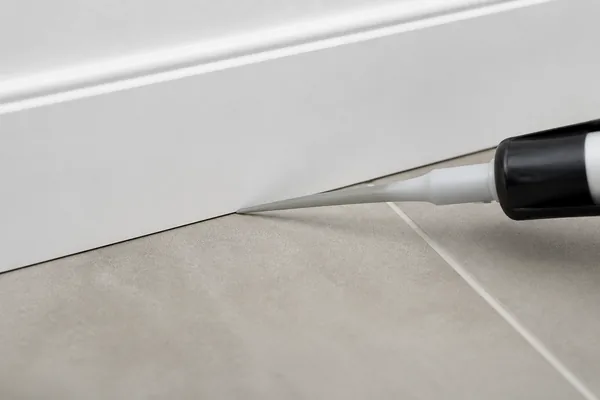
Cracks and voids need sealing around pipes and drains that pass between floors, as these are direct routes for pests to climb.
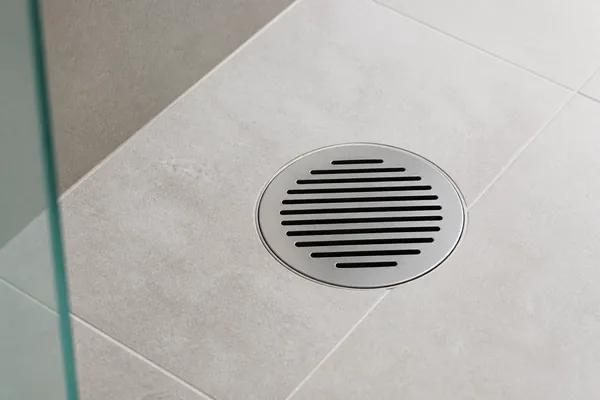
Drains and damp from kitchens and hotels are substantial, and treatment targets the breeding zones around food and water sources.
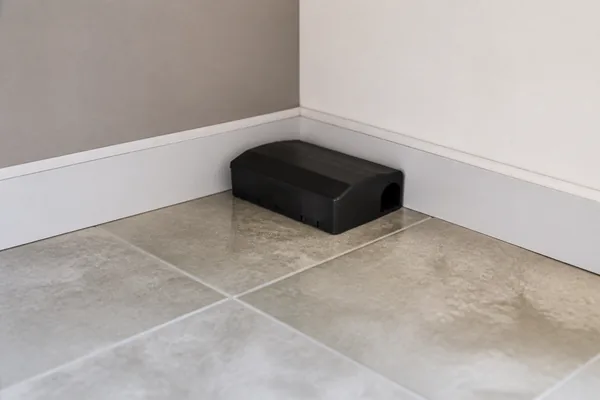
Baits are positioned in the paths of nocturnal pest movement, especially in passages and corners where the shop and flat interface.
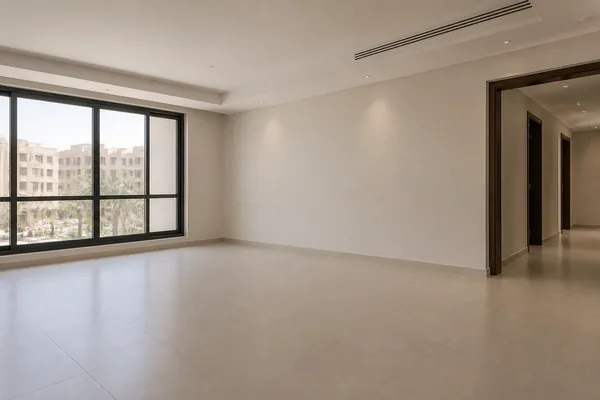
Follow-up in the first month is necessary weekly or fortnightly, as the continuous food supply from restaurants drives constant re-infestation.
Droppings, damage and where they appear tell us the pest and roughly where it's nesting.
Gaps around pipes, thresholds and vents are the supply line.
Product goes into voids, cracks and the runways they use, not the open floor.
In the spaces spray can't reach, bait does the work, carried back to reach the nest and the ones that never surface.
Closing the easy entry points turns a constant re-supply into a closed problem, so the treatment isn't fighting a fresh wave every week.
Before leaving we walk the home with you and show you what was treated.
Spraying what walks across the floor is the common mistake we're called in to fix.
The company runs a large crew, and we send a team rather than one person.
Ants, cockroaches and rodents each need different products and placements.
If what you have is a one-off that doesn't need treating, or a structural issue for a builder, we tell you.
Photographs from real jobs carried out by the crew.












The commitment is simple enough to actually keep: we show you what was treated, and we stand behind it within the agreed cover.
Mixed district: shops at street level with homes above them
Mixed use means pest activity differs sharply between day and night: they feed in commercial spaces and shelter in residential flats. Treatment timing must track this dual rhythm to be effective.
We provide these in Al Rawdah too, and more than one can share a single visit.



