
We treat the source, not the sighting
Spraying what walks across the floor is the common mistake we're called in to fix.
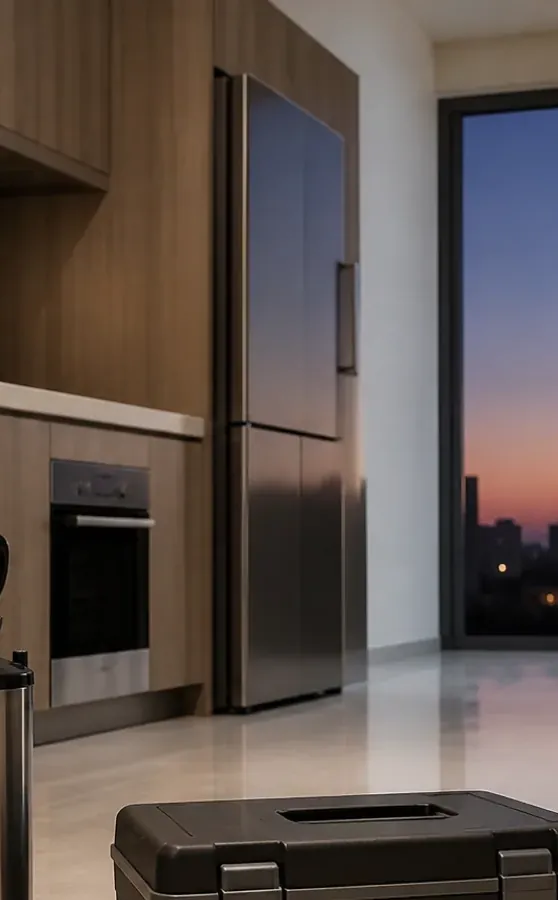
Al Rawabi is a dense district in south Jeddah split into two: a newer northern section crossed by Bin Laden Road and an older strip along Old Makkah Road. Apartment blocks dominate the landscape with small markets and neighbourhood parks interspersed. The location between the port and the industrial city means perpetual black dust from diesel soot and workshop grit, which sticks to curtains and window sills. Coastal moisture mixed with industrial particulates creates the ideal environment for insects: cockroaches thrive in the combination of oil and damp.
Floors in the older low rise housing are plain cement or ceramic tile that darkens where soot is walked in, making infestations more visible than in other areas but the hideouts deeper. For the method itself, see our pest control service in detail.
Black oily dust from the industrial city and port settles on everything and clings to curtains and fissures. Cockroaches especially thrive in this oily medium and hide within soot deposits and blackened surfaces. Treatment requires careful pre-cleaning to remove soot and sediment before applying materials, otherwise they cannot penetrate to the insects.
Densely packed residential blocks beneath multiple floors carry an intricate network of horizontal and vertical pipes. Insects use this grid as movement highways between units and floors, making the true source of infestation difficult to trace.
Older buildings along Old Makkah Road typically have old drainage systems and sewage lines not easily replaced. Coastal humidity combined with drain leakage creates persistent dampness, accelerating the insect breeding cycle faster than in other districts.
The setting between the port and industrial city means continuous environmental contamination, and coastal moisture layered with industrial dust accelerates insect breeding and makes treatment far more complex than in clean residential areas.
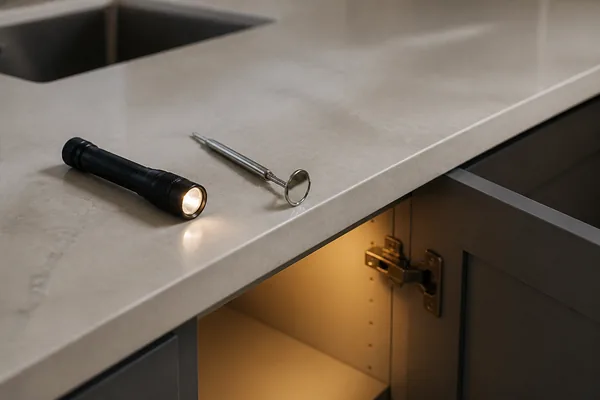
Industrial oily contaminants mask cracks and voids, requiring careful pre-cleaning before treatment so materials can reach the insects themselves.
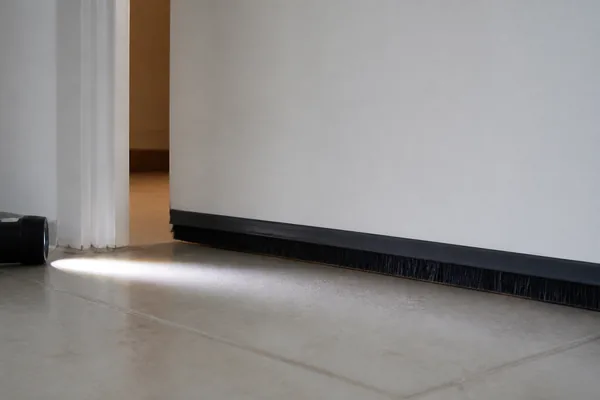
Drains and lines in older buildings carry moisture and pollutants together, making them ideal insect breeding grounds requiring specialist treatment.
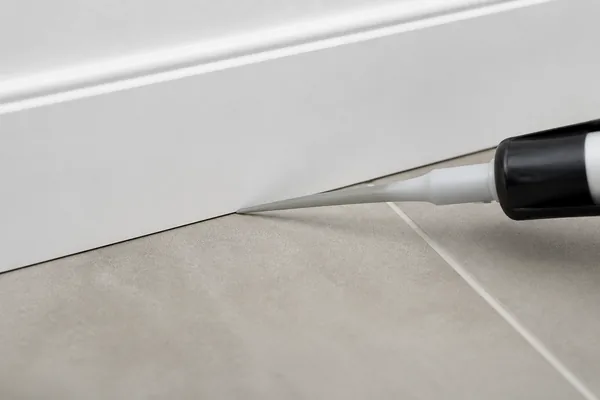
Cracks and gaps around horizontal and vertical services trap soot and moisture, making precise sealing with contamination-resistant material essential.
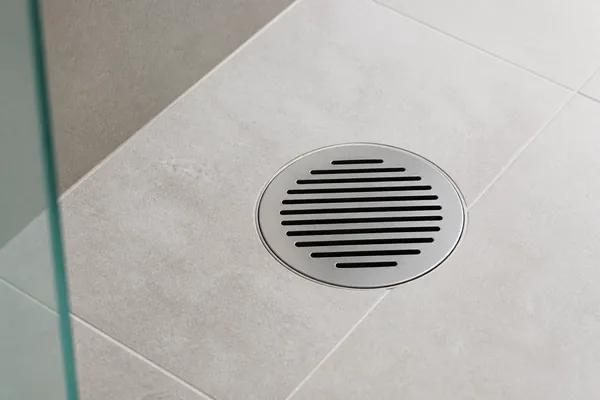
Furniture and curtains in industrial areas retain large quantities of soot and insects, requiring additional steps beyond standard residential treatment.
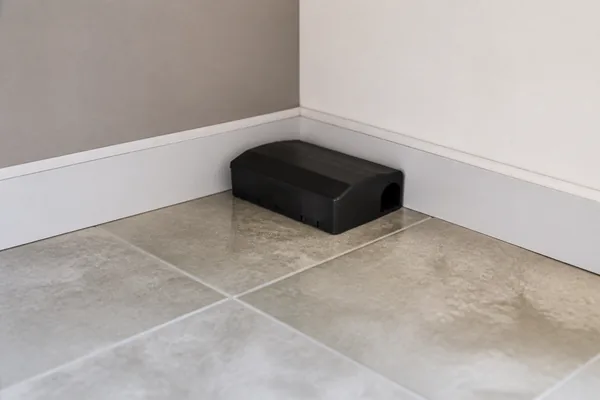
Bait is positioned heavily along main movement routes and around drains, because most insect activity centres on damp and accumulated food in hidden voids.
Follow-up covers drains, voids and furniture together, because pollutants and moisture may speed the return of insects from secondary sources.
Droppings, damage and where they appear tell us the pest and roughly where it's nesting.
Gaps around pipes, thresholds and vents are the supply line.
Product goes into voids, cracks and the runways they use, not the open floor.
In the spaces spray can't reach, bait does the work, carried back to reach the nest and the ones that never surface.
Closing the easy entry points turns a constant re-supply into a closed problem, so the treatment isn't fighting a fresh wave every week.
Before leaving we walk the home with you and show you what was treated.
Al Rawabi extends along Old Makkah Road and Bin Laden Road, holding Bin Laden Park and Al Rawabi Shopping Centre. Work here requires precise knowledge of reaching dense buildings, drains and subsurface services in a district defined by industrial contamination and persistent coastal moisture together.
Spraying what walks across the floor is the common mistake we're called in to fix.
The company runs a large crew, and we send a team rather than one person.
Ants, cockroaches and rodents each need different products and placements.
If what you have is a one-off that doesn't need treating, or a structural issue for a builder, we tell you.
Photographs from real jobs carried out by the crew.












The commitment is simple enough to actually keep: we show you what was treated, and we stand behind it within the agreed cover.
South Jeddah runs from the port and the industrial city down towards Al Khumrah, and homes here sit between the sea and the heavy goods roads. The dust is darker and oilier than in the north, a mix of diesel soot and workshop grit, and it clings to net curtains, window sills and the tops of kitchen cupboards. Floors in the older low rise housing are often plain cement or ceramic tile that darkens where soot is walked in. Humidity from the coast adds mildew in bathrooms and a musty smell in stored fabrics.
We provide these in Al Rawabi too, and more than one can share a single visit.



