
We treat the source, not the sighting
Spraying what walks across the floor is the common mistake we're called in to fix.
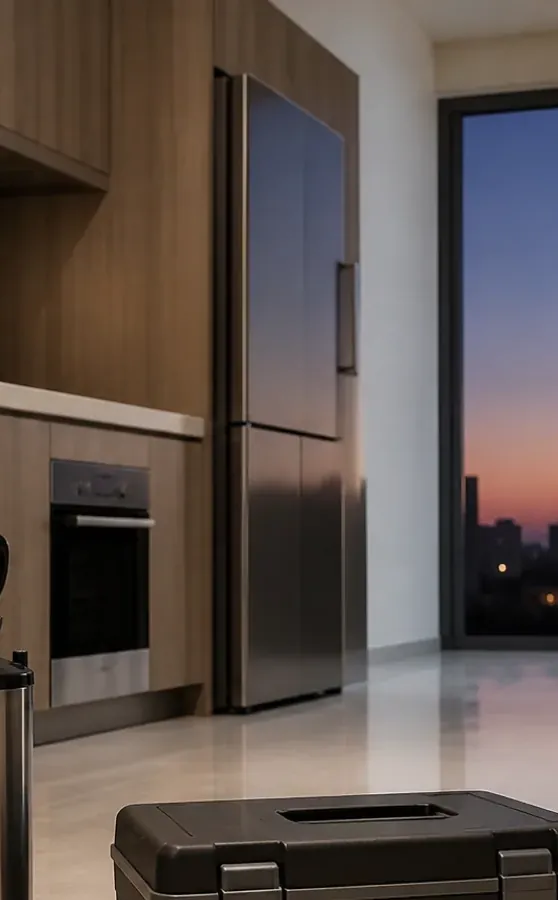
Abu Jaalah is an apartment district in south Jeddah where mid-rise blocks share vertical and horizontal connections through common corridors and shared pipes, allowing pests to move between units. Treatment here requires coordination with neighbours and sealing shared entry points that pass through multiple apartments.
Adjoining flats here mean pests return from neighbouring units even after a single flat is treated successfully, making regular monitoring necessary to hold the line. For the method itself, see our pest control service in detail.
Central corridors and shared stairs between flats serve as primary pest routes. Openings around water, drainage and electrical pipes in common areas provide direct access pathways into flats from multiple directions through the building structure.
Shared metallic pipes passing through party walls between flats carry pests from one unit to another. Treating a single flat fails unless shared pipe connections in communal plant rooms and storage areas are also sealed and treated.
Effective treatment in an apartment block requires synchronising timing with adjacent flats to prevent pests migrating from a treated unit into an untreated one. Isolated and staggered treatments leave a window for movement between units.
The closely grouped residential blocks in Abu Jaalah contain narrow common areas and central metallic pipework that runs through party walls between units, creating interconnected pathways.
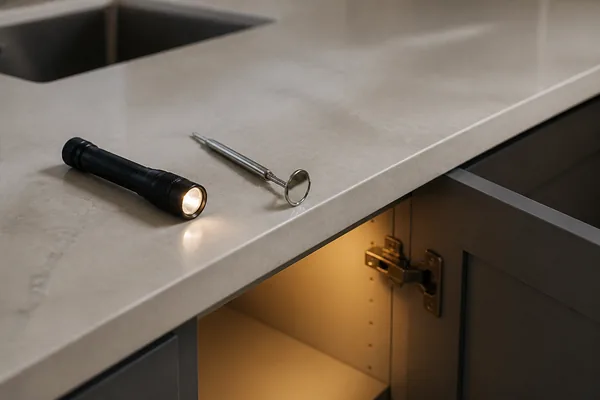
Adjacent flats and shared pipework mean multiple pest species may be present, so we start by identifying precisely what you are dealing with and locating their main gathering points.
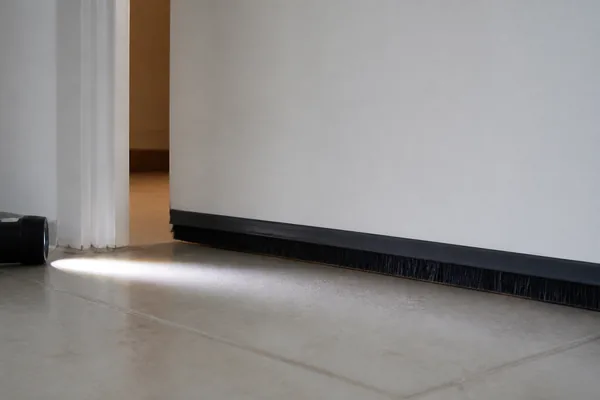
Entry points here are not just the front door but openings around shared pipes, cracks in party walls and gaps around central metallic services that pass between units.
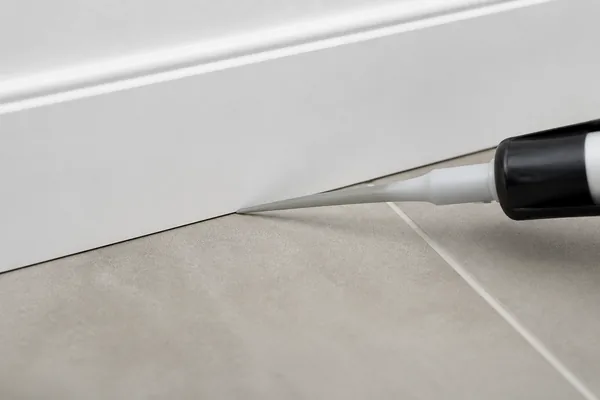
Narrow cracks and voids around pipes and shared services provide safe harbours for pests, so we treat them with products that are safe near metal infrastructure and won't damage the building's systems.
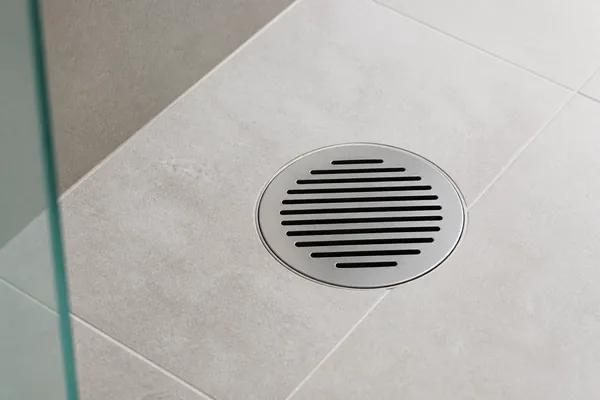
Shared drains and damp pipes in communal plant and storage rooms attract pests and provide the wet environment they need to breed, so these areas receive special attention during inspection.
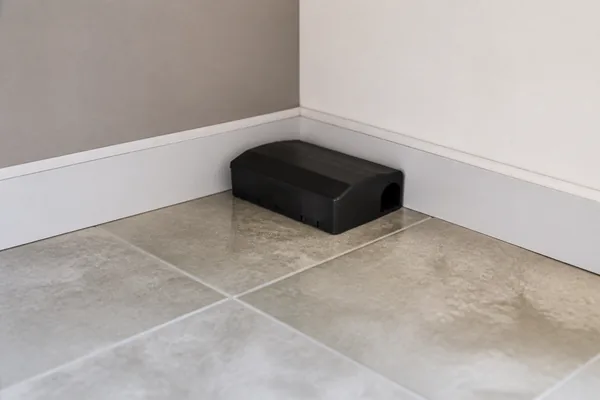
We place baits along primary movement routes: shared stairs, common corridors and around entry points where central services enter individual units.
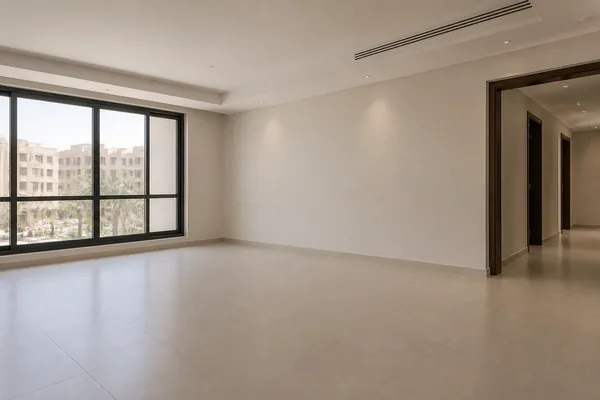
Follow-up in an apartment district includes regular inspection of shared areas and may require additional treatments if pests migrate from neighbouring flats, creating a recurring cycle.
Droppings, damage and where they appear tell us the pest and roughly where it's nesting.
Gaps around pipes, thresholds and vents are the supply line.
Product goes into voids, cracks and the runways they use, not the open floor.
In the spaces spray can't reach, bait does the work, carried back to reach the nest and the ones that never surface.
Closing the easy entry points turns a constant re-supply into a closed problem, so the treatment isn't fighting a fresh wave every week.
Before leaving we walk the home with you and show you what was treated.
Spraying what walks across the floor is the common mistake we're called in to fix.
The company runs a large crew, and we send a team rather than one person.
Ants, cockroaches and rodents each need different products and placements.
If what you have is a one-off that doesn't need treating, or a structural issue for a builder, we tell you.
Photographs from real jobs carried out by the crew.












The commitment is simple enough to actually keep: we show you what was treated, and we stand behind it within the agreed cover.
In Abu Jaalah the team reaches addresses via Safad Street, and the residential blocks sit close to Jeddah Technical College. We schedule treatment rounds based on proximity to these landmarks and the spacing between buildings.
We provide these in Abu Jaalah too, and more than one can share a single visit.



