
We treat the source, not the sighting
Spraying what walks across the floor is the common mistake we're called in to fix.
Um Al Salam is a densely packed mixed district on the Old Makkah Road with popular housing and shops at ground level. The dry dust and low rise streets make it easy for insects to enter, and the old foundations crack. Treatment here means pursuing insects through the narrow gaps between tightly packed buildings and sealing the cracks that the coarse external dust has worn into the walls.
Insects here move easily between closely packed buildings and between flats in the same structure. Cracks around old foundations are wide and gather oily residue and dry dust that attracts insects inward. For the method itself, see the full pest control page.
Dust arrives from roads and open ground and works under doors, windows and openings. Insects follow the dust and enter through fine cracks and gaps that are not obviously visible. Old foundation cracks and weathered walls offer wide passages, and dust covers and obscures them. The dust is the vehicle.
Um Al Salam is dense with closely built structures and popular apartment buildings where walls nearly touch. Insects move easily from one building to the next through tight gaps and shared foundations. If residents of one building treat and their neighbours do not, insects migrate from the adjacent structure and numbers return. Treatment requires coordination with neighbours.
The buildings are older and foundations are cracked and not well sealed. Poor drains and irrigation moisture seep into the base and lower voids. Insects find moisture, food and shelter deep in these voids. Treatment focuses on the foundation and cracks first, because that is where they establish.
A district in south eastern Jeddah on the Old Makkah Road, bordering Al Harazat and Al Mahamid on the heavy lorry route, with health centres, mosques and low rise residential streets. Dry dust, varied floor types and old cracked foundations all affect how insects spread.
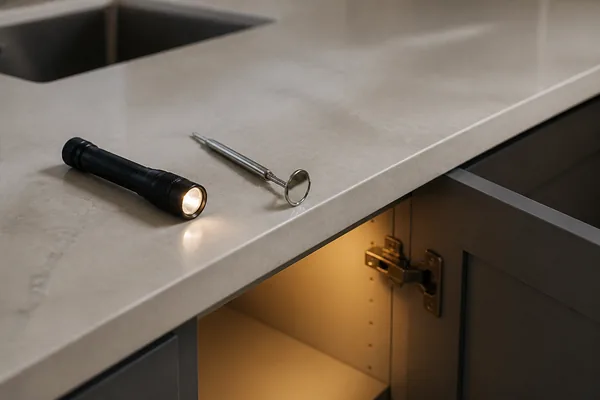
Inspection here focuses on insects arriving from outside, the street and neighbouring buildings, because Um Al Salam is dense and connected to different environments all around it.
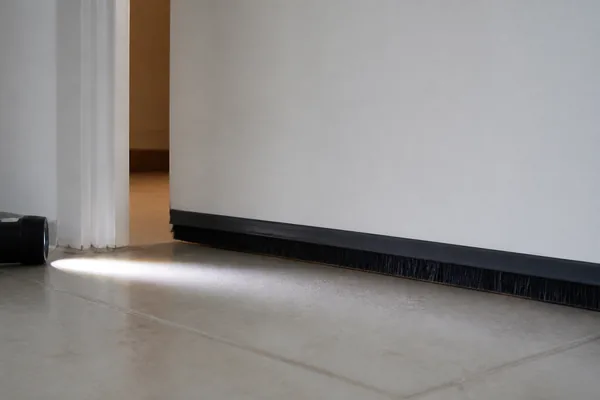
Entry points are typically on the foundation, old cracks, gaps between buildings and openings around pipes and wiring. The dry dust covers these openings and conceals them from view.
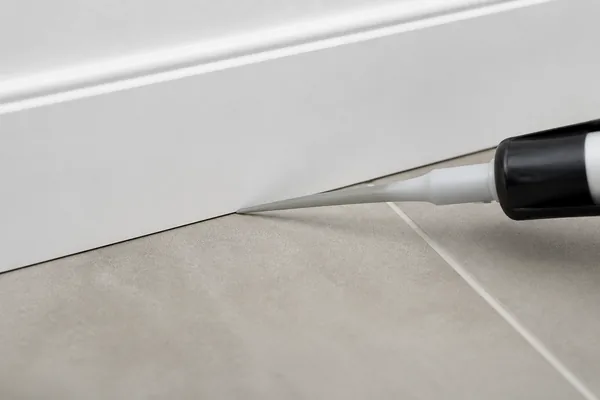
Cracks and voids in aged foundations provide wide shelters for insects to establish. Treatment targets the voids and cracks that can be reached and the weathered cracks in walls and base.
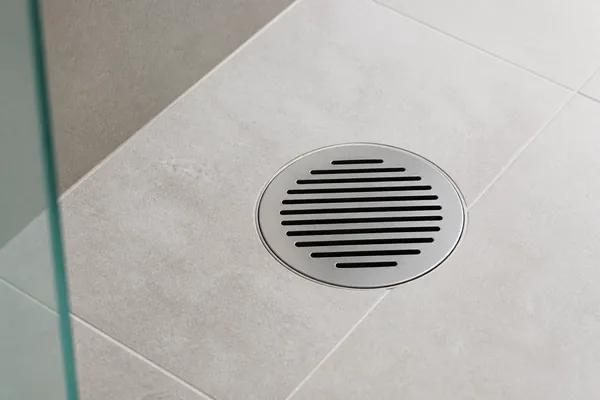
Poor drains and moisture from irrigation seep into the lower voids and foundation. This moisture attracts insects and mould. Treating the drains and sealing the lower voids breaks the routes and removes the environment where they settle.
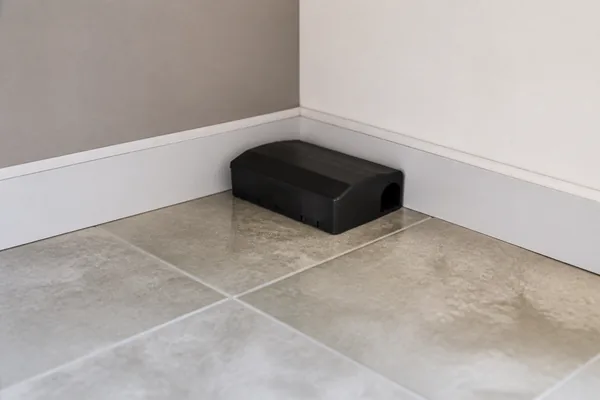
Bait is placed in the gaps between buildings, on lower walls and around the base, because insects travel constantly between buildings, flats and the external voids.
Follow-up includes inspection of the voids, foundation and external perimeter, because external pressure is ongoing and neighbouring buildings are a constant source. Coordinating monitoring with residents and neighbours improves results.
Droppings, damage and where they appear tell us the pest and roughly where it's nesting.
Gaps around pipes, thresholds and vents are the supply line.
Product goes into voids, cracks and the runways they use, not the open floor.
In the spaces spray can't reach, bait does the work, carried back to reach the nest and the ones that never surface.
Closing the easy entry points turns a constant re-supply into a closed problem, so the treatment isn't fighting a fresh wave every week.
Before leaving we walk the home with you and show you what was treated.
Mixed district: shops at street level with homes above them
A mixed district means insects move from shops into flats and between tightly packed buildings. Treatment must recognise that closely built structures are a single connected system, and that the gaps between foundations and old cracks are the main routes. No single building can be treated in isolation.
Spraying what walks across the floor is the common mistake we're called in to fix.
The company runs a large crew, and we send a team rather than one person.
Ants, cockroaches and rodents each need different products and placements.
If what you have is a one-off that doesn't need treating, or a structural issue for a builder, we tell you.
Photographs from real jobs carried out by the crew.












The commitment is simple enough to actually keep: we show you what was treated, and we stand behind it within the agreed cover.
East Jeddah lies furthest from the sea and closest to the open ground and hills beyond the ring roads, so the air is drier and the dust is coarser and paler than on the coast. It comes in under doors and settles on every flat surface overnight, making sofas, mattresses and curtains the heaviest part of the routine. Floors are mostly ceramic tile in the apartment districts and marble in the villa areas, both scratched by grit that is mopped rather than swept. Roof tank water leaves a grey film of sediment in baths and basins.
We provide these in Um Al Salam too, and more than one can share a single visit.



