
We treat the source, not the sighting
Spraying what walks across the floor is the common mistake we're called in to fix.

Al Atheer is a small locality on the south eastern edge of Jeddah on the Jeddah Makkah Expressway, administratively grouped with Bahrah but a relatively independent mixed small district. Development here is lighter than central Jeddah, but proximity to the fast road, coastal humidity and shared drainage with Bahrah make treating it quite different.
The district sits on the expressway meaning constant heavy traffic and diesel soot and engine spray, and coastal moisture mixed with this heavy dust. For the method itself, see our guide to pest control.
Al Atheer sits directly on the expressway, and heavy lorries and coaches pass continuously all day. Dust and soot from traffic and heavy engine spray enters homes with air and wind movement constantly.
Al Atheer is administratively grouped with Bahrah and relies on their shared services. Sewage and drains are shared between the two areas, so problems may originate in Bahrah, and solutions need coordination.
Proximity to the coast means high humidity and salt in the air, and old homes and stored items take on mildew smell and dampness. This moisture creates ideal habitat for humidity-loving insects.
Al Atheer sits on the Jeddah Makkah Expressway and Al Jumum Road in south east Jeddah, with lower population density than central districts, vacant plots mixed with newer and older homes.
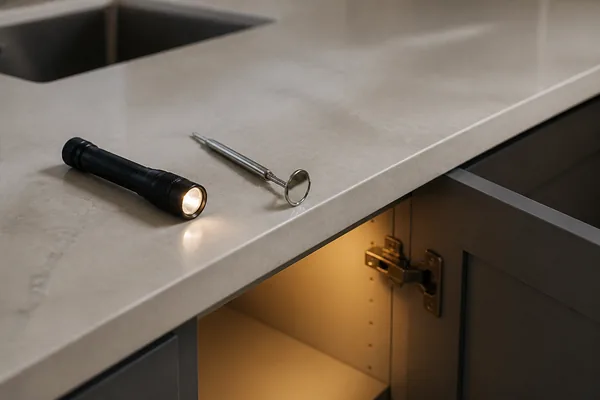
Al Atheer is small and mixed with varied insect types from coast, damp and soot, not one single type.
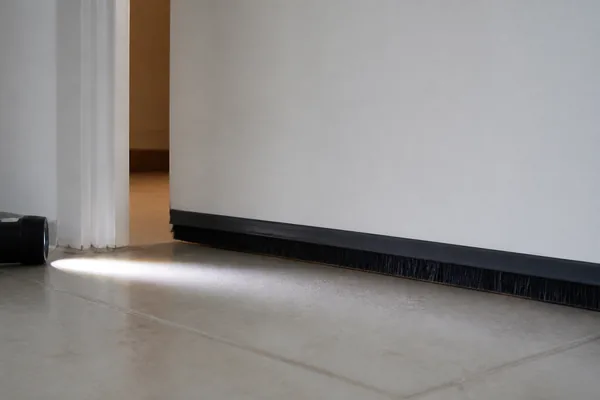
Main sources are moisture, shared drainage, expressway soot, not old cracks.
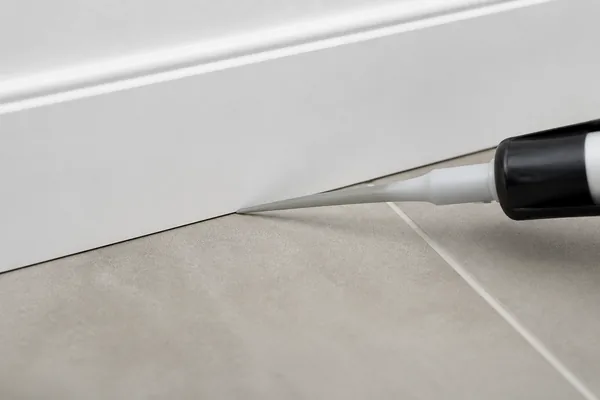
Gaps here are shallower than central Jeddah, but humidity makes sealing less effective.
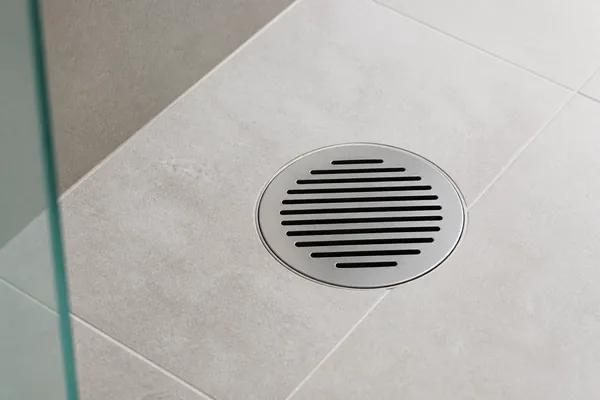
Humidity here is very high from the coast, meaning stronger treatments and special product selection.
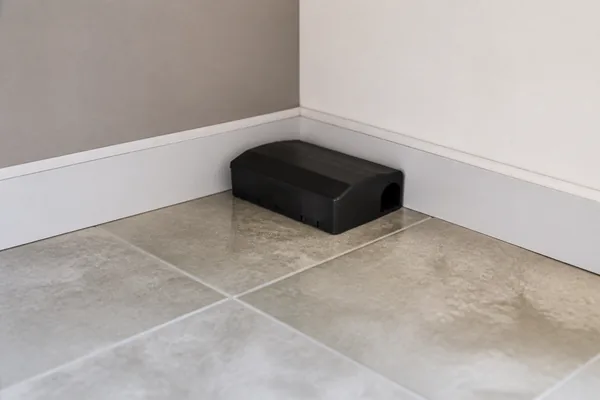
Baiting around the foundation and perimeter matters more because insects enter from ground and damp.
Follow-up is long-term because moisture is a constant source, and seasonal treatment cycles may be needed.
Droppings, damage and where they appear tell us the pest and roughly where it's nesting.
Gaps around pipes, thresholds and vents are the supply line.
Product goes into voids, cracks and the runways they use, not the open floor.
In the spaces spray can't reach, bait does the work, carried back to reach the nest and the ones that never surface.
Closing the easy entry points turns a constant re-supply into a closed problem, so the treatment isn't fighting a fresh wave every week.
Before leaving we walk the home with you and show you what was treated.
Mixed district: shops at street level with homes above them
Mixed Al Atheer means insects arrive from coastal humidity, shared drainage and expressway soot more than old cracks and pipework. The solution focuses on external barriers and moisture isolation more than interior treatment alone.
Spraying what walks across the floor is the common mistake we're called in to fix.
The company runs a large crew, and we send a team rather than one person.
Ants, cockroaches and rodents each need different products and placements.
If what you have is a one-off that doesn't need treating, or a structural issue for a builder, we tell you.
Photographs from real jobs carried out by the crew.












The commitment is simple enough to actually keep: we show you what was treated, and we stand behind it within the agreed cover.
South Jeddah runs from the port and the industrial city down towards Al Khumrah, and homes here sit between the sea and the heavy goods roads. The dust is darker and oilier than in the north, a mix of diesel soot and workshop grit, and it clings to net curtains, window sills and the tops of kitchen cupboards. Floors in the older low rise housing are often plain cement or ceramic tile that darkens where soot is walked in. Humidity from the coast adds mildew in bathrooms and a musty smell in stored fabrics.
We provide these in Al Atheer too, and more than one can share a single visit.



