
We treat the source, not the sighting
Spraying what walks across the floor is the common mistake we're called in to fix.
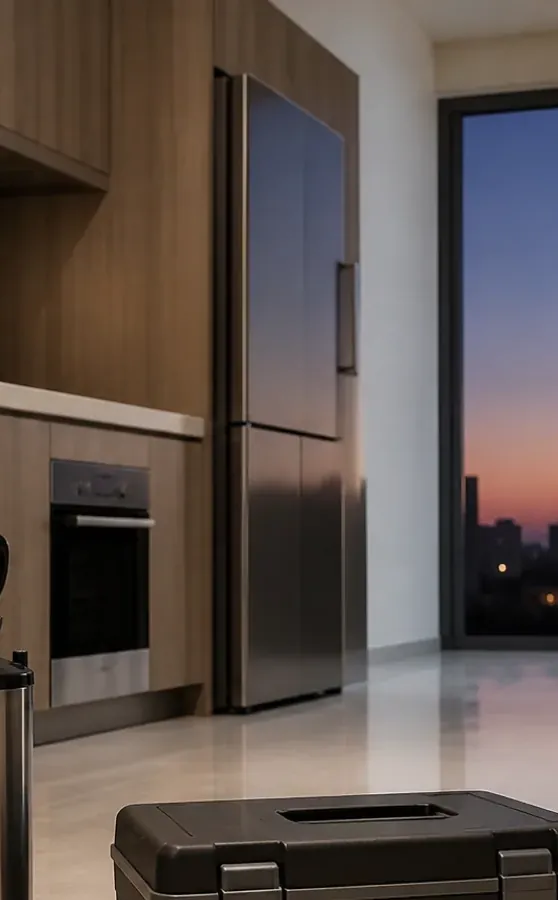
Al Shiraa is a modern northern district near the corniche that hosts the King Abdullah Medical Complex, with newer apartment blocks and villas along Prince Abdulmajeed Road and Aabir Al Qarat Street. The coastal location and proximity to a large medical facility mean high human traffic and multiple entry points for pests. Treatment here requires understanding the unique challenges posed by location and mixed use.
Al Shiraa is relatively new, but the coastal setting means very high humidity and salt air. The proximity to the hospital means heavy human movement and greater chance of pests moving from offices and stores in the medical complex. For the method itself, see our guide to pest control.
Closeness to the corniche brings very high humidity and salt spray. Modern flats and villas may be well insulated, but external humidity drives pests to seek shelter indoors. Drains and gaps around windows become critical weak points.
The hospital and medical centre supply abundant food and water from cafes, restaurants and laboratories. Insects feed there and move easily to neighbouring flats and villas through passages and ventilation.
Hospital proximity means very heavy foot traffic and numerous open doors and continuous access. This movement provides perpetual entry opportunities for pests arriving with visitors, luggage and deliveries.
A modern coastal district near the corniche with newer residential buildings and apartment towers, adjoining a large medical centre and shopping mall, with high foot traffic from visitors and staff.
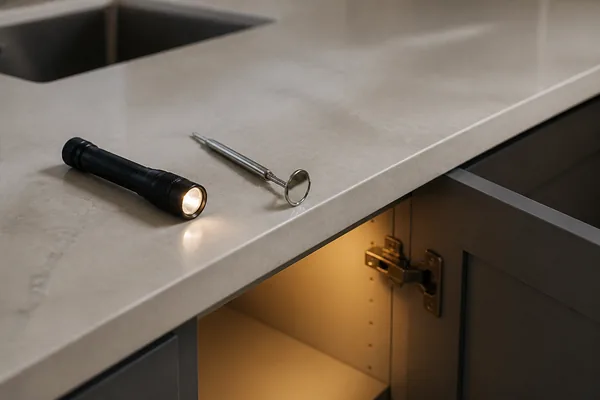
Inspection focuses on coastal exposure and humidity around windows, gaps between flats, villas and the medical complex.
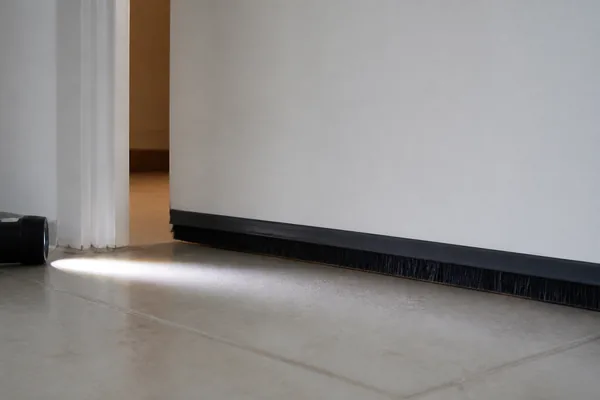
Entry points include gaps around windows from coastal exposure, pipes and passages between buildings, open doors from the hospital and shops.
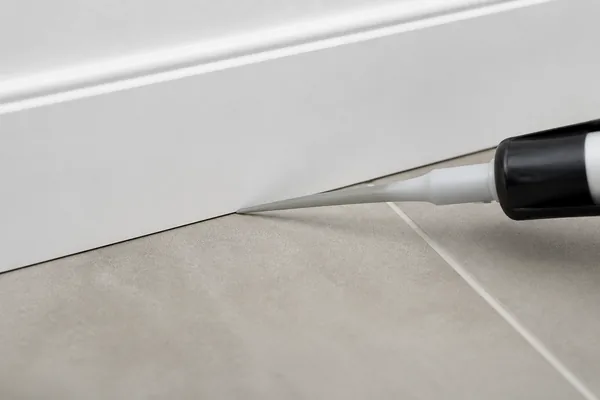
Cracks and gaps around windows need precise sealing as coastal humidity drives pests to seek indoor shelter. Suitable filling material may be necessary.
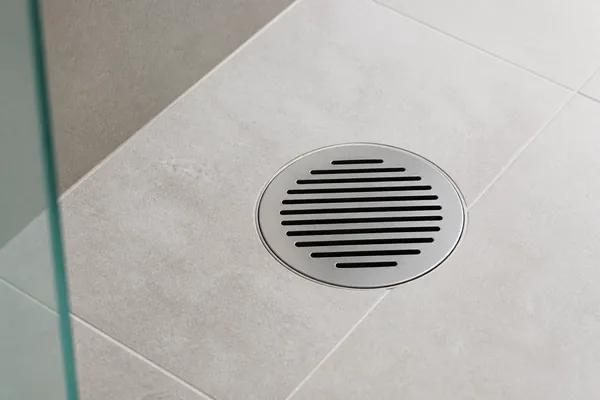
Drains and coastal damp are substantial, with treatment targeting humid zones around pipes and gaps at windows and doors.
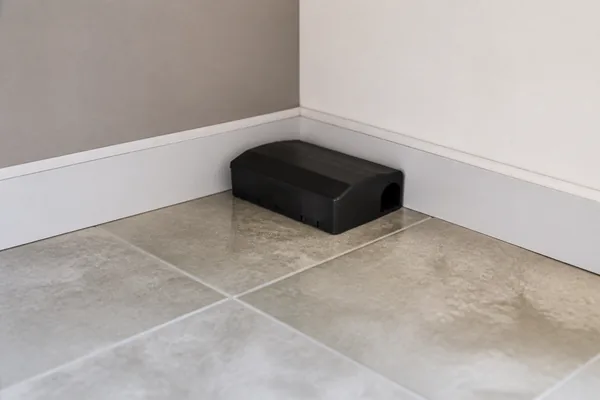
Baits are placed in damp voids and dark areas, and around pipes and gaps between units.
Follow-up requires regular checks for new cracks and gaps that may form from salt and moisture, especially around windows.
Droppings, damage and where they appear tell us the pest and roughly where it's nesting.
Gaps around pipes, thresholds and vents are the supply line.
Product goes into voids, cracks and the runways they use, not the open floor.
In the spaces spray can't reach, bait does the work, carried back to reach the nest and the ones that never surface.
Closing the easy entry points turns a constant re-supply into a closed problem, so the treatment isn't fighting a fresh wave every week.
Before leaving we walk the home with you and show you what was treated.
Spraying what walks across the floor is the common mistake we're called in to fix.
The company runs a large crew, and we send a team rather than one person.
Ants, cockroaches and rodents each need different products and placements.
If what you have is a one-off that doesn't need treating, or a structural issue for a builder, we tell you.
Photographs from real jobs carried out by the crew.












The commitment is simple enough to actually keep: we show you what was treated, and we stand behind it within the agreed cover.
Work in Al Shiraa is oriented to Prince Abdulmajeed Road and Aabir Al Qarat Street as main reference points, and the King Abdullah Medical Complex at the heart of the district.
We provide these in Al Shiraa too, and more than one can share a single visit.



