
We treat the source, not the sighting
Spraying what walks across the floor is the common mistake we're called in to fix.
Al Bahr is one of four historic quarters inside Jeddah's old walled city, in the north western part of Al Balad toward the old harbour behind Bab Al Farda customs gate, established in the early thirteenth century Hijri. The quarter contains very old heritage stone and timber buildings in the roshan style, narrow lanes and stone floors. Close to the sea, salt seeps through walls and high humidity with deep fissures provide safe pest harbours. Treatment requires special care with heritage buildings.
Salt from the nearby sea seeps through the stone itself, and humidity is always high. Heritage buildings absorb both salt and moisture together, creating a unique environment that attracts specific pest species. For the method itself, see our pest control service in detail.
Ancient stone buildings close to the sea absorb salt and moisture through stone pores. Salt creates a unique environment providing minerals that attract certain pests, and moisture provides the water they need to breed.
Fissures in stone and wood run very deep and date back centuries. Heritage timber has weathered from combined salt and moisture exposure, leaving wide voids where pests shelter.
The quarter is very close to the old port and the sea, so humidity never drops. The damp salty environment provides ideal conditions for rapid pest breeding in ancient buildings.
The quarter holds heritage stone and timber dwellings in the traditional roshan style near the old Jeddah port and the line of the historic city wall, mixing housing and shopfronts in dense and tightly preserved fabric.
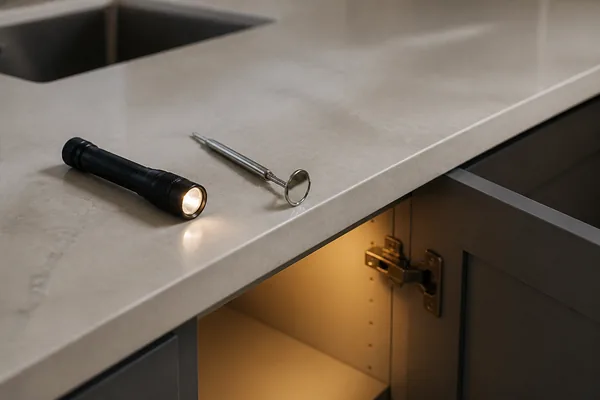
The historic coastal quarter hosts unique pest species adapted to salt and high humidity. Identifying each species is important to select materials safe for heritage and effective against pests.
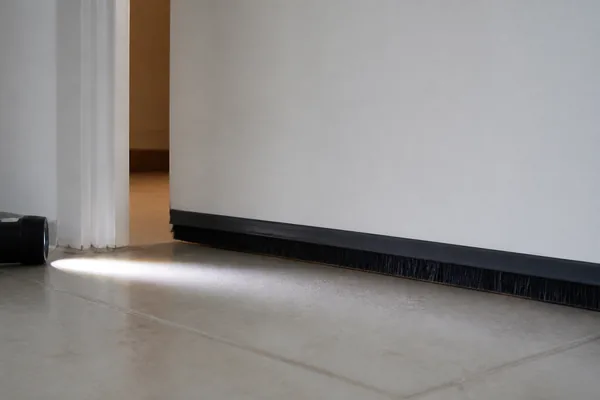
Primary entry points are deep fissures in stone and wood and gaps around old metal pipes corroded by salt and moisture.
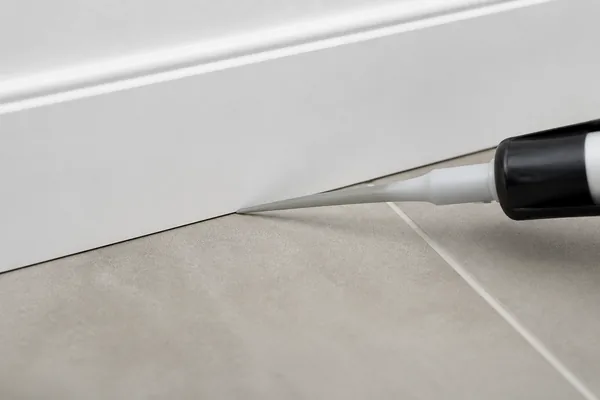
We treat cracks with flexible materials safe for heritage stone and timber. Products must resist both salt and high humidity simultaneously.
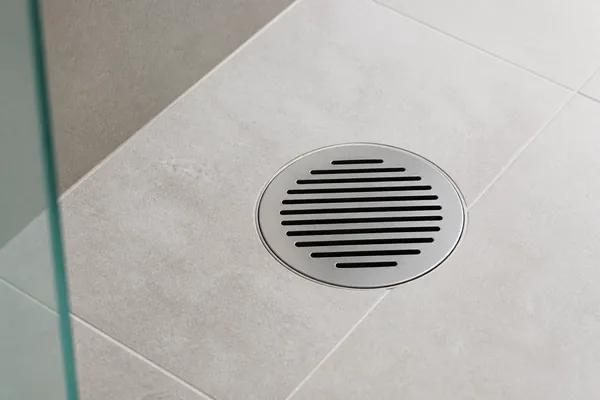
Drains and pipes close to the sea carry salt and corrosion together. Treatment needs care because ancient pipework is very sensitive.
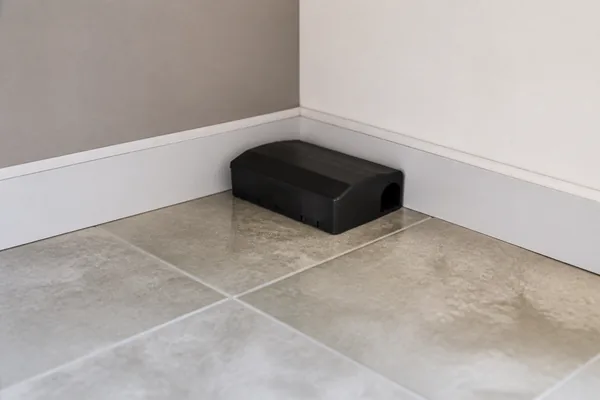
We place baits in cracks and voids, damp corners and zones protected from direct salt spray.
Follow-up in the historic coastal quarter requires long-term commitment to heritage-safe materials. Repeated treatments every four to six weeks may be needed due to high humidity and salt.
Droppings, damage and where they appear tell us the pest and roughly where it's nesting.
Gaps around pipes, thresholds and vents are the supply line.
Product goes into voids, cracks and the runways they use, not the open floor.
In the spaces spray can't reach, bait does the work, carried back to reach the nest and the ones that never surface.
Closing the easy entry points turns a constant re-supply into a closed problem, so the treatment isn't fighting a fresh wave every week.
Before leaving we walk the home with you and show you what was treated.
Historic district: close-set buildings, narrow lanes and ageing services
Historic and coastal together create unique challenges: salt and high humidity together stress ordinary products while providing ideal conditions for pests. Treatment needs specially formulated materials and more frequent monitoring than inland historic quarters.
Spraying what walks across the floor is the common mistake we're called in to fix.
The company runs a large crew, and we send a team rather than one person.
Ants, cockroaches and rodents each need different products and placements.
If what you have is a one-off that doesn't need treating, or a structural issue for a builder, we tell you.
Photographs from real jobs carried out by the crew.












The commitment is simple enough to actually keep: we show you what was treated, and we stand behind it within the agreed cover.
Central Jeddah is the old heart of the city: Al Balad with its coral stone houses, and the dense apartment quarters around it with shops beneath the flats. Floors here are often terrazzo or older ceramic tile, worn smooth and easily stained by cooking grease that drifts up from the street. Older kitchens and bathrooms carry heavy scale on taps and around drains, and pipework in the older blocks leaves rust marks in basins. Rugs and curtains take on the fine black dust of the main roads, so they need washing more often than elsewhere.
We provide these in Al Bahr too, and more than one can share a single visit.



