
We treat the source, not the sighting
Spraying what walks across the floor is the common mistake we're called in to fix.
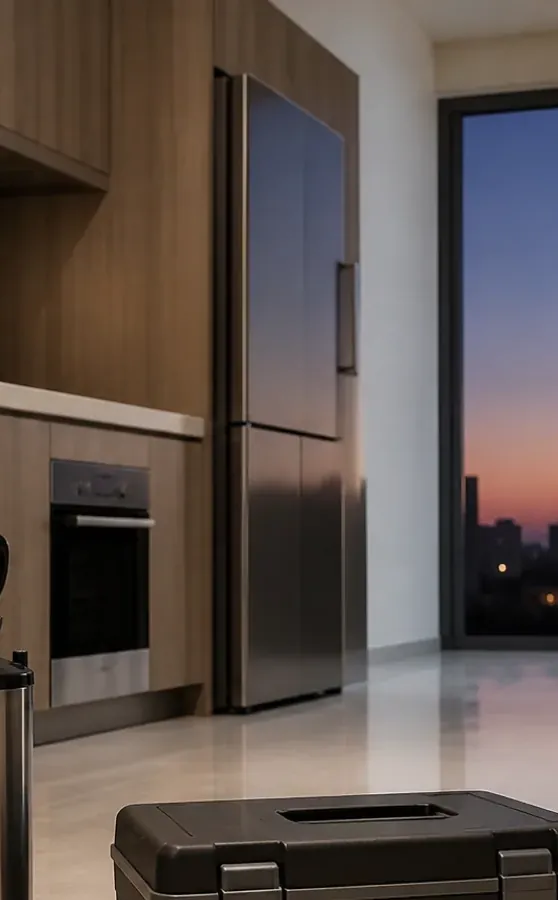
Al Adl is a small mixed district in south Jeddah with flats, villas and busy commercial ground floors. Location between Old Makkah Road and the expressway means heavy traffic and oily dust from trucks. Old foundations, nearby coastal moisture and dense commercial axes create a complex environment for insect populations.
Oily dust from trucks settles on everything and enters homes under doors, strongly attracting insects. Insect species in Al Adl are multiple because the environment is very complex. For the method itself, see how we approach pest control.
Location between two heavy traffic routes means continuous oily dust from diesel soot and workshop particles. This dust settles on every surface and inside homes, attracting insects strongly. Insects arriving from outside find a rich environment of grease and grime ideal for establishing themselves.
Commercial ground floors around the neighbourhood are crowded and store food unsafely. Restaurants and shops leave crumbs and waste on floors and pavements. This food-rich, waste-laden environment provides ideal shelter and nutrition for insects.
Foundations are very old with many cracks. Coastal humidity and poor drainage mean foundations and floors are constantly damp. This moisture combined with grease, dust and food creates perfect conditions for insect populations.
A mixed district between two major roads, small flats and villas, dense commercial axes with restaurants and shops, old foundations, oily dust from roads and trucks, high humidity from proximity to the sea.
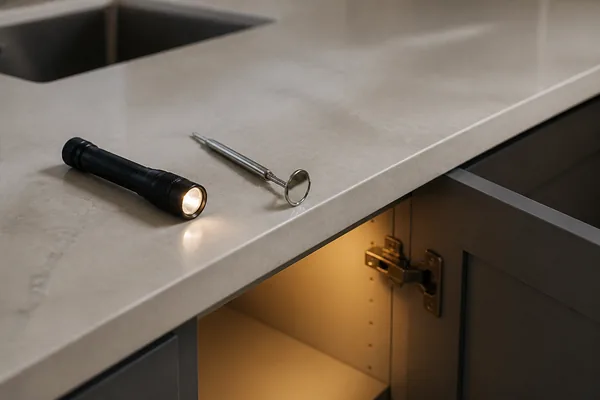
Inspection focuses on foundations, floors, moisture levels, trails from outside and ground-floor shops. Insect species here are very multiple because the environment is complex and offers diverse sources.
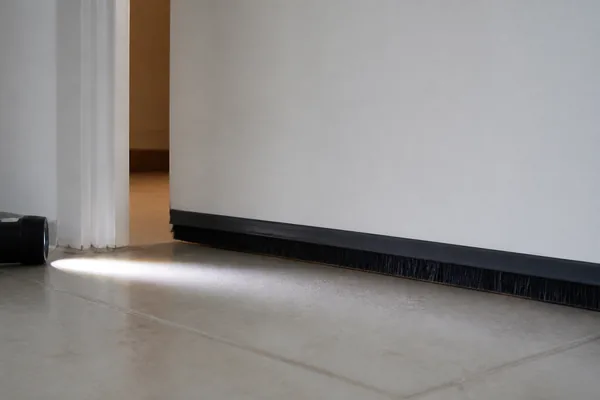
Entry from outside roads is very obvious. Entry from shops below is likely. Entry from neighbouring homes through shared foundations is possible.
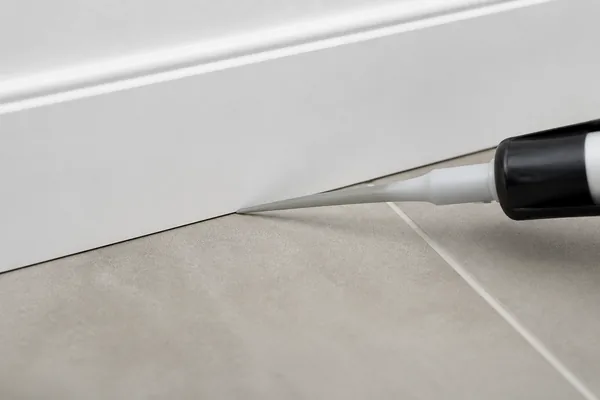
Cracks in foundations, gaps between stones and floor gaps provide multiple pathways. Treatment requires deep injection into all these routes and voids.
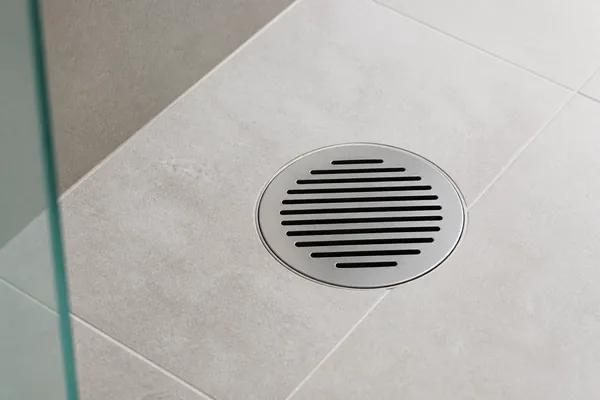
Moisture is high from the coast and poor drainage. Drying may be difficult, but treating damp zones and sealing cracks is essential. Good drainage around the home helps significantly.
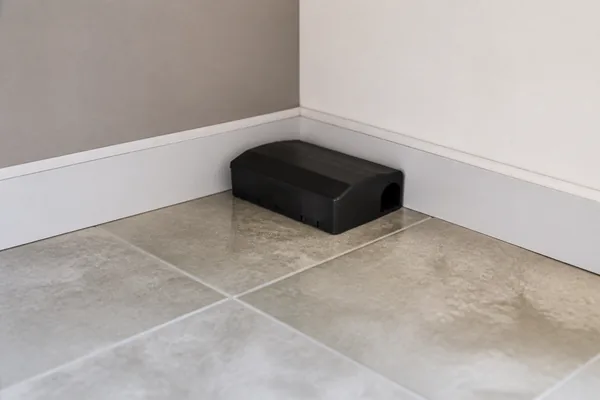
Baits are placed in cracks, dark corners and gaps under cupboards. Baits also go around external foundations and around ground-floor shops if access is possible, and around doors and windows facing the traffic routes.
Follow-up every two or three months is necessary because sources are multiple and continuous. Heavy traffic roads and commercial axes provide fresh insects constantly.
Droppings, damage and where they appear tell us the pest and roughly where it's nesting.
Gaps around pipes, thresholds and vents are the supply line.
Product goes into voids, cracks and the runways they use, not the open floor.
In the spaces spray can't reach, bait does the work, carried back to reach the nest and the ones that never surface.
Closing the easy entry points turns a constant re-supply into a closed problem, so the treatment isn't fighting a fresh wave every week.
Before leaving we walk the home with you and show you what was treated.
Mixed district: shops at street level with homes above them
A mixed district close to heavy traffic roads and dense commercial axes means sources are multiple and unending. Insects do not arrive from one source but from roads, commercial axes, neighbouring homes and old foundations together. Treatment here requires a multi-faceted strategy and broad coordination.
Spraying what walks across the floor is the common mistake we're called in to fix.
The company runs a large crew, and we send a team rather than one person.
Ants, cockroaches and rodents each need different products and placements.
If what you have is a one-off that doesn't need treating, or a structural issue for a builder, we tell you.
Photographs from real jobs carried out by the crew.












The commitment is simple enough to actually keep: we show you what was treated, and we stand behind it within the agreed cover.
South Jeddah runs from the port and the industrial city down towards Al Khumrah, and homes here sit between the sea and the heavy goods roads. The dust is darker and oilier than in the north, a mix of diesel soot and workshop grit, and it clings to net curtains, window sills and the tops of kitchen cupboards. Floors in the older low rise housing are often plain cement or ceramic tile that darkens where soot is walked in. Humidity from the coast adds mildew in bathrooms and a musty smell in stored fabrics.
We provide these in Al Adl too, and more than one can share a single visit.



