
We treat the source, not the sighting
Spraying what walks across the floor is the common mistake we're called in to fix.
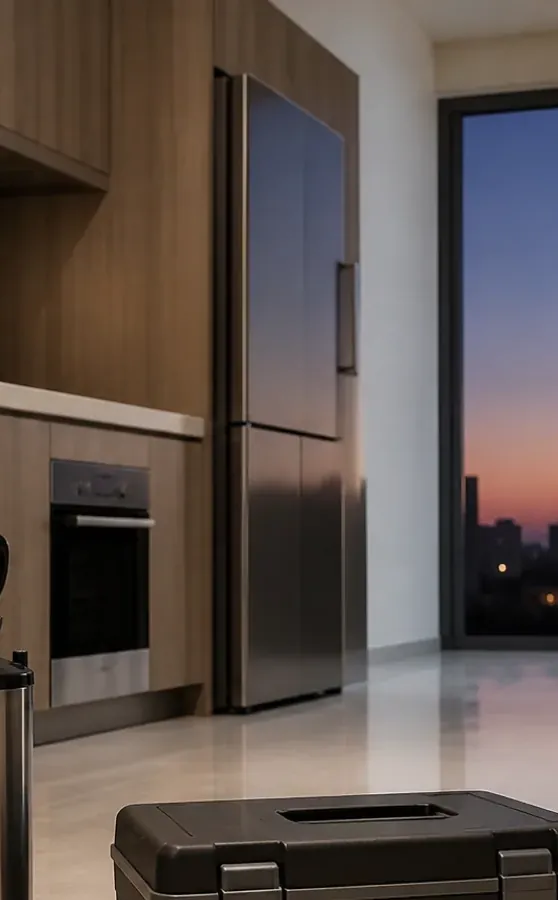
Al Khaleej is a newly developed district in north Jeddah named after the adjacent Obhur Creek, marked by newly built homes and plots still under construction and proximity to the water. The coastal location means high humidity and salt air, but new building means fewer gaps than old quarters. The district combines coastal humidity and new construction, making treatment different from purely coastal or purely modern zones. Insects here seek moisture and salt intensely.
Proximity to the sea creek means permanent humidity and continuous salt air, and new homes contain modern humidity control and air systems, but small gaps around modern pipes may still offer transit routes. For the method itself, see how we approach pest control.
The neighbouring creek supplies very permanent damp habitat. Salt air penetrates small gaps and leaves continuous moisture on outer walls. Insects are drawn strongly to this persistent dampness.
New building means fewer gaps than old quarters, but modern systems like air conditioning and new plumbing create new insect habitats. Gaps around modern pipes may be small but offer safe routes.
Ongoing building projects beside new homes supply renewed insect sources. Insect movement from construction land toward new homes accelerates with each building phase.
A district named after neighbouring Khaleej Obhur, a long narrow sea creek that turned into a tourism and investment destination after the oil boom, with mostly newly built housing surrounding this modern bay.
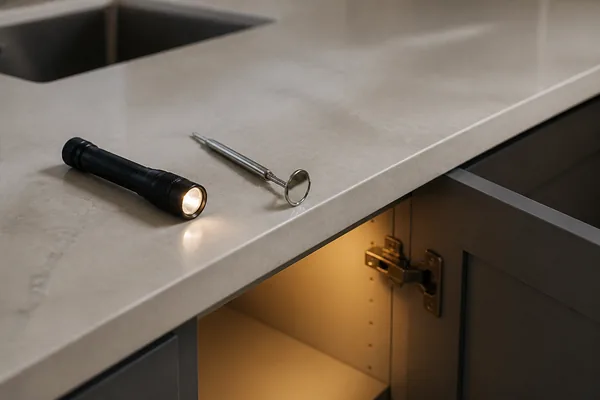
Inspection focuses on small gaps around modern pipes and humidity from the creek, paying attention to accumulated salt.
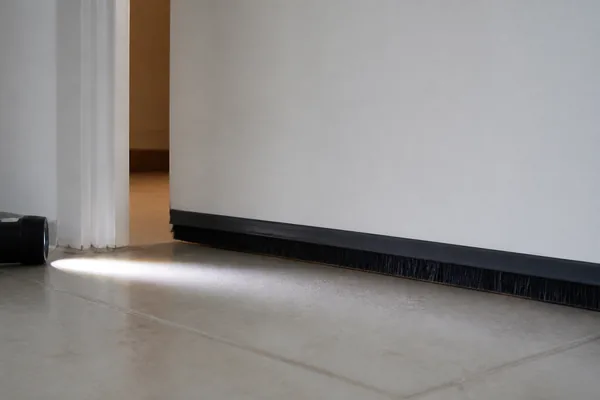
Entry points include gaps around modern fixtures and pipes and air conditioning and drainage openings that may admit insects.
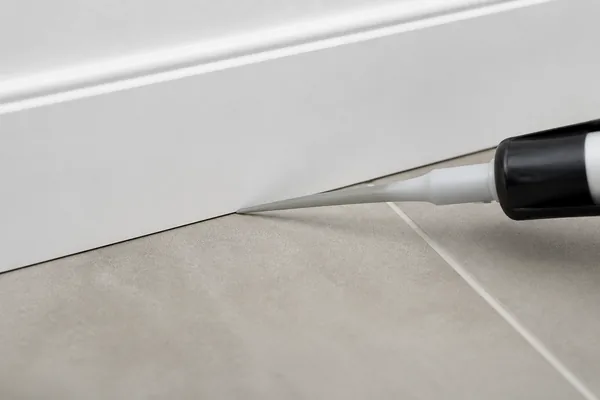
Cracks and gaps around modern pipes are sealed with salt resistant materials suited to permanent moisture, being careful not to disrupt modern systems.
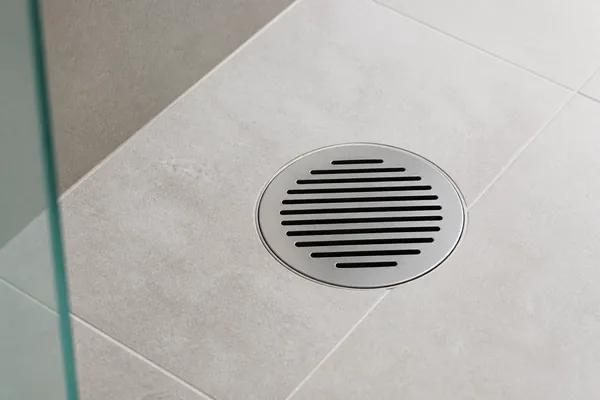
Drains and damp areas around modern pipes and air systems need special care with materials chosen for salt and permanent moisture.
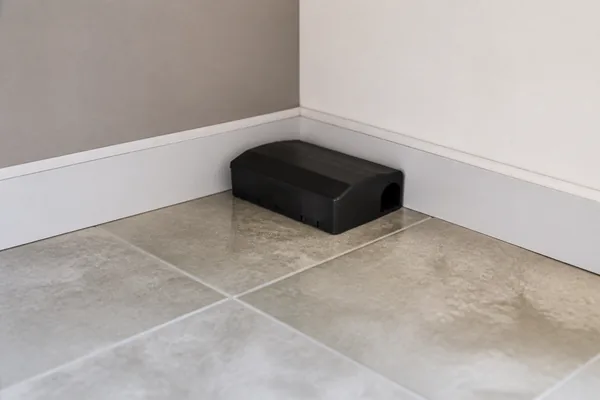
Bait is placed in gaps around pipes and damp spots, with regular reassessment for new voids from ongoing construction.
Follow-up includes checking new gaps, accumulated salt and new moisture, with seasonal plan adjustments or when new builds start.
Droppings, damage and where they appear tell us the pest and roughly where it's nesting.
Gaps around pipes, thresholds and vents are the supply line.
Product goes into voids, cracks and the runways they use, not the open floor.
In the spaces spray can't reach, bait does the work, carried back to reach the nest and the ones that never surface.
Closing the easy entry points turns a constant re-supply into a closed problem, so the treatment isn't fighting a fresh wave every week.
Before leaving we walk the home with you and show you what was treated.
New development: ongoing construction and vacant plots between the homes
New development beside the creek means combining new building with coastal humidity. Treatment needs balance between coastal and modern precautions, with regular monitoring.
Spraying what walks across the floor is the common mistake we're called in to fix.
The company runs a large crew, and we send a team rather than one person.
Ants, cockroaches and rodents each need different products and placements.
If what you have is a one-off that doesn't need treating, or a structural issue for a builder, we tell you.
Photographs from real jobs carried out by the crew.












The commitment is simple enough to actually keep: we show you what was treated, and we stand behind it within the agreed cover.
Al Khaleej sits on King Abdulaziz Road and Jeddah Madinah Road that bound the district on both sides, and North Corniche Street marks the waterfront, making coordination and access straightforward.
We provide these in Al Khaleej too, and more than one can share a single visit.



