
We treat the source, not the sighting
Spraying what walks across the floor is the common mistake we're called in to fix.
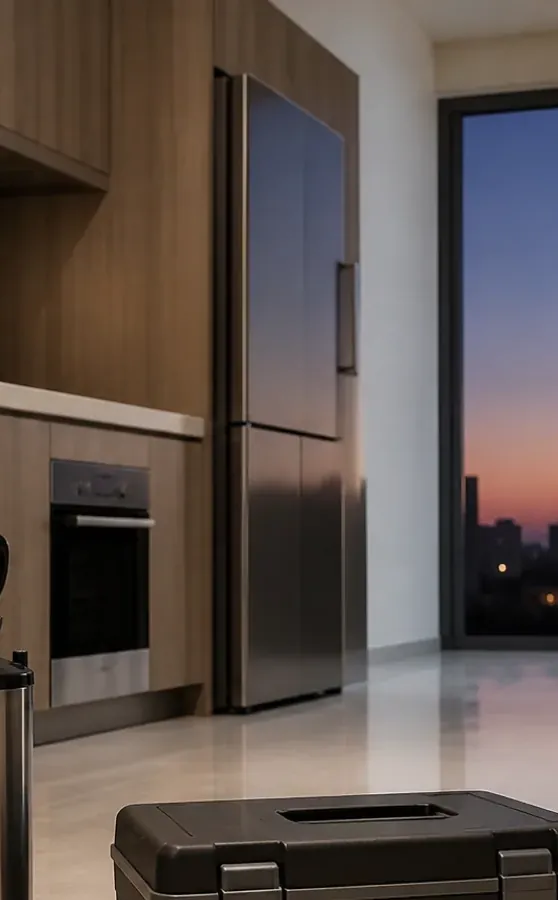
Kilo 18 extends further out on the Old Makkah Road than Kilo 14, near the Bahrah boundary, within an advanced logistics and storage zone with warehouses and loading yards. Goods transported from place to place bring insects hiding in the equipment and boxes, and the area itself is thinly documented so the external pressure is not precisely defined. Treatment here is about tracking where insects come from with the shipments, not just treating where they are today.
Continuous movement of goods and containers means insects from other regions arrive here constantly with deliveries. For the method itself, see the full pest control page.
Containers, boxes and equipment arriving from far away may harbour insects hiding in gaps and cracks. Opening or storing boxes releases these insects into the warehouse and surrounding areas.
Wide gaps, covers and openings in the warehouses supply shelter and darkness. Stored food, moisture from drains and ceiling leaks draw insects in.
Information about the area is limited and municipal services may be less regular, so insects could establish themselves without oversight from any authority.
The zone sits at the city edge with continuous logistics traffic. Stored goods, boxes and container covers provide perfect insect habitat, and incoming shipments may carry infestations from far away.
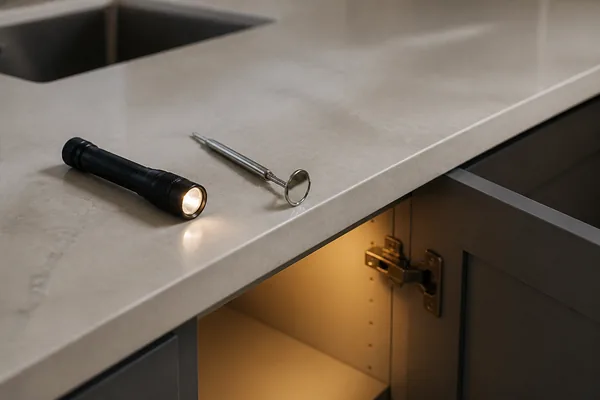
Multiple species because goods arrive from different sources, so identification starts from the last shipment type and careful examination of gaps.
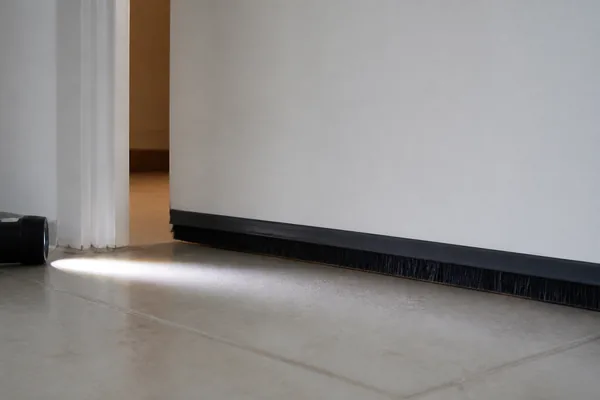
Main entry points are boxes, containers, gaps in covers and doorways, and inspection focuses on these.
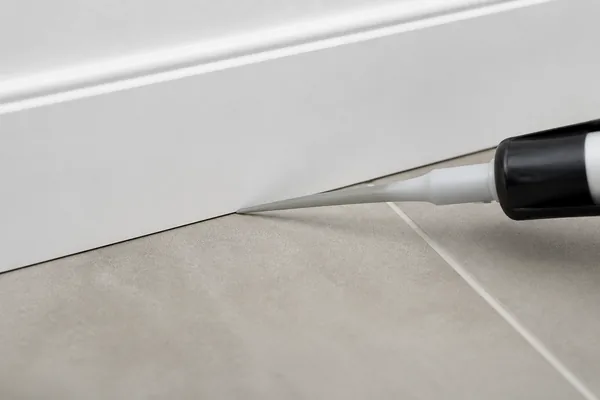
Very small cracks and gaps in boxes and containers need precise treatment and tight sealing.
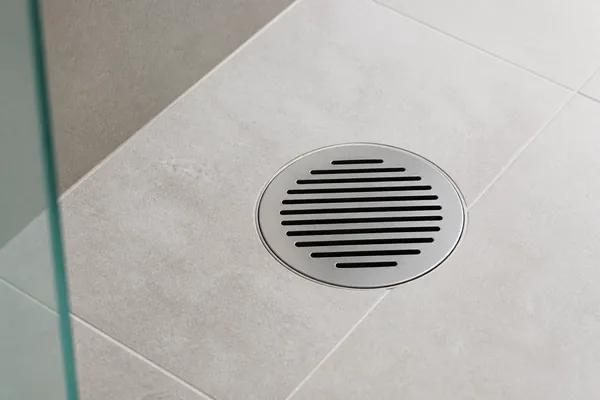
Moisture from roof leaks and drains provides continuous water, so treatment focuses on damp zones and gaps beneath covers.
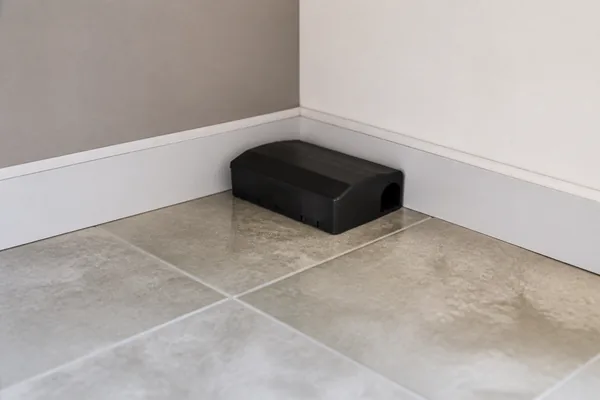
We place bait in corners, gaps and established insect routes between boxes.
Regular monitoring every month is essential because new shipments may bring fresh infestations at any time.
Droppings, damage and where they appear tell us the pest and roughly where it's nesting.
Gaps around pipes, thresholds and vents are the supply line.
Product goes into voids, cracks and the runways they use, not the open floor.
In the spaces spray can't reach, bait does the work, carried back to reach the nest and the ones that never surface.
Closing the easy entry points turns a constant re-supply into a closed problem, so the treatment isn't fighting a fresh wave every week.
Before leaving we walk the home with you and show you what was treated.
Spraying what walks across the floor is the common mistake we're called in to fix.
The company runs a large crew, and we send a team rather than one person.
Ants, cockroaches and rodents each need different products and placements.
If what you have is a one-off that doesn't need treating, or a structural issue for a builder, we tell you.
Photographs from real jobs carried out by the crew.












The commitment is simple enough to actually keep: we show you what was treated, and we stand behind it within the agreed cover.
Industrial area: workshops, warehouses and loading yards
This industrial zone specialises in storage and transport logistics, so insects arrive with goods from distant regions. Regular monitoring and preventive treatment matter more than treatment after they appear, because new shipments could carry them in at any time.
We provide these in Kilo 18 too, and more than one can share a single visit.



